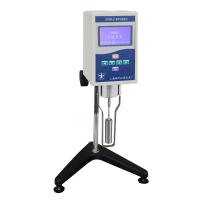
近年来,由于人们担心食入过多的脂肪,所以低脂奶逐渐成为市场上的流行品。但是由于脱脂使牛奶的口感和质地都不如以前。1991年,ShoemakerNantz等人研究了乳制品的粘度与感官评定之间的相关关系。结果表明,奶油味和口感与脂肪含量相关很强,而同时奶油味和口感与仪器测定的粘度相关性也很强,初步证实了粘度与感官分析存在相关关系。所以在乳品的开发、质量控制等方面,粘度的测定越来越重要。在搅拌型酸奶生产过程中重要的控制项目之一是粘度,搅拌型酸奶生产过程中不可避免地要对已发酵好的、凝固的酸奶进行机械加工处理,如搅拌、冷却、灌装等工艺过程。如果生产线设计不合理或工艺参数控制不当,就会造成酸奶粘度大大降低,严重时会出现分层现象。粘度也是评价酸奶质量的重要指标。另外,在乳品在浓缩过程中,也可以通过粘度的测定来确定浓缩的终点。粘度计有众多类型的转子,在测定乳品的粘度时,可以According to不同的需要选择不同的转子,如桨式转子、升降支架等。
乳制品在世界范围内,由于消费量较大,相应的流变学研究也较广泛。研究表明:牛乳的流变特性受其浓度的影响。浓度不同不仅使牛乳的表观粘度值发生变化,而且使牛乳的流体类型也发生变化。在浓度较低时,牛乳呈现涨塑性特性(n>1),在中等浓度下变成牛顿流体(n=1),但在浓度较高时,又变成非牛顿流体,呈现出假塑性流体特性(n<1),即随着浓度的增加,n值由大逐渐变小。虽然温度对牛乳粘度的大小有影响,但对牛乳的流型没有影响。在所有影响因素中,浓度对流型起决定性作用。
酸奶的粘度主要的黏性物质是蛋白质遇到乳酸所形成的沉淀,所以蛋白含量高的自然会稠一点,酸度也是一个影响因素,所以使用的乳酸菌的品种(主要是酸度不同)对此有影响。当然,也可以通过加入增稠剂或含有其他辅料来加强黏性。那么哪些因素会影响到后期酸奶粘度呢?
1、杀菌:在牛奶中乳清蛋白的变性和与酪蛋白的反应会在加热温度到达90-95°C开始,它会减少析水,增加粘度从而提高产品质量。
2. Refrigeration: Refrigeration makes some of the curd particles separated due to the processing process re-condense into the network structure of the curd particles, and the water retention rate increases due to the swelling of denatured whey protein. Therefore, refrigeration can make yogurt Restore some viscosity.
3. Homogenization: Homogenization can make the particles (fat globules, milk protein, etc.) in raw milk smaller, promote the combination of tiny fat globules and casein micelles, and help increase the volume of protein gels to form tender and smooth coagulation. Milk texture: The viscosity of the homogenized raw milk is higher than that of the unhomogenized raw milk.
4. Conveying and filling: The filling pump, the number of bends in the conveying pipeline, the flow rate, the length and diameter of the pipeline, and the shear force of the canning head all affect the viscosity of yogurt. In order to reduce the loss of yogurt viscosity, the filling pump should use a low-power screw pump. The pipeline design should have as few bends as possible, the pipeline should be short, and the nozzle should be large. It may be large, so as to ensure the quality of yogurt.