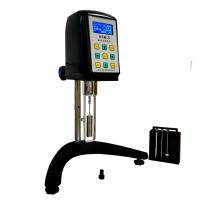
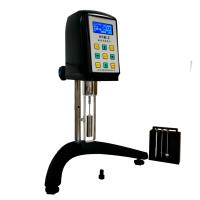
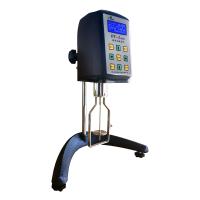
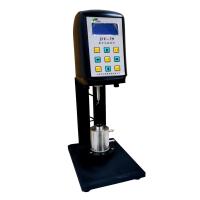
First of all, let us look at a concept. Viscosity, also known as viscosity, is an indicator reflecting the viscous resistance of fluid flow. Viscosity is related to pressure and temperature. For fluid substances, it has the characteristics of flow, that is, it is affected by external force and gravity. When it works, it flows in all directions like a liquid. This property of flowing away due to force is called the fluidity of the fluid. The size of its fluidity is the consistency of the fluid. The better the fluidity, the smaller the consistency, the worse the fluidity, and the greater the consistency. The taste and smoothness of the food must be considered, otherwise the food will not taste good and there will be no market for it. Let's take yogurt as an example:
The main viscous substance of yogurt viscosity is the precipitate formed by protein encountering lactic acid, so it will naturally thicken if the protein content is high, and acidity is also an influencing factor, so the variety of lactic acid bacteria used (mainly because of different acidity) has an impact on this. Of course, the viscosity can also be enhanced by adding thickeners or other auxiliary materials.
In the production process of stirred yogurt, viscosity is a very important control item and an important index to evaluate the quality of yogurt. Increasing the milk solid content, especially the non-milk solid content has a significant impact on the viscosity of the finished product, because protein and lactose The increase of yoghurt is beneficial to the water and function of yoghurt, which can increase the viscosity of yoghurt. The non-fat milk solid content of yogurt with good viscosity is much higher than the national standard, generally around 8.5%. However, when the milk solid content continues to increase, the viscosity of yogurt does not increase significantly. Smooth taste. In the yogurt production process, the milk is fermented for a period of time, from liquid to curdled milk, so it has a higher viscosity. Generally, the viscosity of stirred yogurt after fermentation is between 4000-6000 mpa·s, because the original The casein present in milk coagulates into a gel, forming many large curd particles, and their diameter is generally between 0.01MM-0.4MM. Stirring has a direct effect on increasing the viscosity of yogurt, and stirring will cause thixotropy, which will greatly affect the quality of the product.
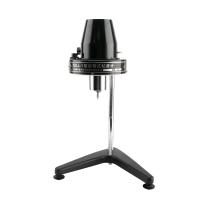
In addition, during the process of yogurt concentration, the end point of concentration can also be determined by measuring the viscosity. Generally speaking, viscometers have many types of rotors. When measuring the viscosity of yogurt, different rotors can be selected according to different needs, such as paddle rotors, lifting brackets, etc.