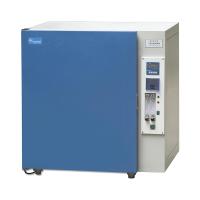
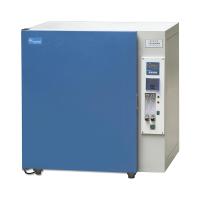
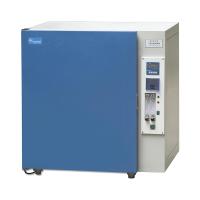
CO2 Incubators play an important role in medical research where cell cultures may be observed in a sterile and meticulous manner. They keep unwanted microorganisms away from the culture, thereby providing desirable conditions for growth. Different CO Incubators offer different methods of preventing contamination in the incubation chamber. This article will tell you what product details you need to pay attention to in order to achieve great results in various fields such as stem cell therapy, regenerative medicine, and plastic surgery.
The CO2 Incubator creates excellent conditions for:
1. Incubating human skin cells for life-saving skin grafts
2. Fighting diseases using stem cells for research
3. Marketing stem cell therapy as a viable alternative to surgery
4. Plastic surgery, anti-aging therapy, Tissue Repair and Dermatology Treatment
5. Multiplying Human Skin Cells with the Healing Process in Regenerative Medicine
Incubation of human skin cells in a CO Incubator saves life-saving skin grafts
Regenerative medicine is one of the most promising fields in modern research. Dead tissue and damaged organs can be healed by restoring dysfunctional cells. For this, the skin is removed from the patient, propagated in a CO2 Incubator, and then reimplanted into the patient. This new form of treatment is a breakthrough for victims of extensive burns, as the significant scarring that results from traditional grafting can be avoided.
Human skin can only be produced with a lot of effort and by meeting strict safety requirements. As of now, laboratory staff have had to perform cumbersome cleaning procedures in only 2 Incubator locations where CO "clean rooms" are allowed into. However, with the nearly insatiable demand for artificially created skin cells, technologists started looking for more effective solutions. They finally came up with the idea of direct integration of CO2 incubation into isolation. This means lab workers can work longer in the CO2 Incubator without increasing the risk of contamination.
In this case study, you can learn how this innovative approach created a "Human Skin Culture Center".
Using stem cell research to fight disease
The progress of stem cell research is of great importance to the fight against diseases, especially cancer treatment. Stem cell therapy can be used to repair or even replace dysfunctional cells and organs with tissue grown in vitro. Therefore, stem cell research provides a scientific basis for regenerative medicine. The importance of sterile conditions and maximum safety when handling cell culture cannot be overemphasized. Therefore, your CO2 Incubator should also offer automatic sterilization. This minimizes the risk of potential external contamination.
Read this case study to learn about advances in stem cell research at Penn State's Huck Institute for the Life Sciences.
Offer stem cell therapy as a viable alternative to surgery
In the form of stem cell therapy, regenerative medicine has successfully transformed the study of heart surgery. Stem cell therapy is now increasingly preferred over open heart surgery. The process can thus be described: Tissues and cell clusters are grown in a CO2 Incubator and implanted in the patient by cell transplantation. There are two ways to generate these stem cells:
Harvest patient's own cells, then propagate in CO2 Incubator
Growing living tissue such as heart valves or blood vessels from scratch in a CO2 Incubator
When propagating stem cells in a CO Incubator, the subsequent sterilization process is important. When desired, the CO2 Incubator will feature automatic hot air sterilization. The overall sterilization cycle should comply with the requirements of the European Pharmacopoeia.
In this case study, you can read all about how innovative treatments were developed at the Center for Regenerative Medicine.
CO2 Incubator for plastic surgery, anti-aging therapy, tissue repair, and skin disease treatment
The CO2 Incubator is also an important tool for personalized autologous stem cell therapy. These treatments involve preparing the body's own cells for use in applications such as plastic surgery, antiaging therapies, tissue repair, or dermatological and orthopedic treatments. Once the tissue is recovered, stem cells are extracted and isolated from it. This poses a risk of contamination, which is why comprehensive sterility testing is performed in a CO2 Incubator, where the cell culture is then propagated. Final genetic testing in a CO2 Incubator ensures maximum safety before the cells are implanted into the patient.
In this case study, you can read all about how the Institute of Regenerative Medicine made aging skin look younger.
CO2 Incubator propagates human skin cells for healing process in regenerative medicine
The question of how to treat patients with extensive thermal injuries poses several challenges to modern medicine. Staff at the German Institute for Cell and Tissue Replacement (DIZG) produce autologous cell cultures to help patients in German burn centers. These skin cell grafts, which have been grown in a CO Incubator, are used in patients when 60% of their body surface is covered by a second or third degree burn. Often, regenerative medicine is an opportunity for such patients to heal.
When generating or multiplying cell cultures, there should be the lowest possible risk of contamination in your CO Incubator. In contrast, fans typically installed in traditional Incubators, large racks, and freestanding fixtures often have a high risk of contamination, which can pose a significant risk to patients' health.
In this case study, DIZG demonstrates how skin grafts can save lives.