experiment procedure
(1) Experimental materials
Orthoethyl silicate (TEOS, chemical formula Si(OC2H5)4), methanol (analytical grade), oleic acid (C18H34O2), surfactant sodium dodecylbenzenesulfonate (SDBS)
(2) Instruments and equipment
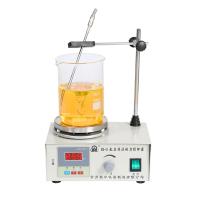
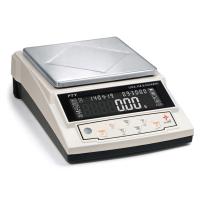
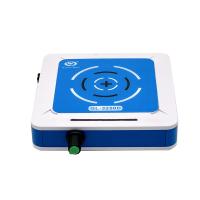
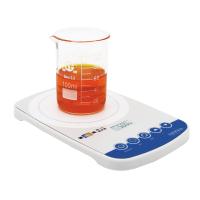
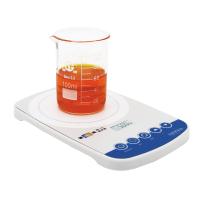
Electronic Balance (BS224S, Shanghai Anting Scientific Instrument Factory), reaction kettle, Drying Oven (101A-1E, Shanghai Experimental Instrument Factory), measuring cylinder 25 ml, 08-2G constant temperature magnetic stirrer, centrifuge (TGL-16G, Shanghai Anting Scientific Instrument Factory)
(3) Sample synthesis
Oleic acid is used as solvent, ethyl orthosilicate is used as silicon source, and methanol added to SDBS is used to provide hydroxyl groups. Under the airtight condition of the reaction kettle, the silicon oxide nanometer material is obtained by controlling the reaction time. To study the effect of reaction time on silica nanomaterials, we conducted 3 sets of experiments. First, accurately measure 0.2 ml TEOS with a pipette, and accurately measure 20 ml oleic acid with a graduated cylinder. Add the measured TEOS to the measured 20 ml oleic acid, put the mixed solution on a constant temperature magnetic stirrer, set the speed at 500 rpm. Accurately measure 5 ml of methanol with a graduated cylinder, accurately weigh 0.1 g of SDBS with an electronic balance, and fully mix the weighed SDBS with the measured methanol. The methanol solution added with SDBS was added drop by drop into the prepared mixed solution of TEOS and oleic acid under the condition of stirring, and magnetically stirred for 20 min. A light yellow solution was formed at room temperature, and the solution was put into a reaction kettle with a volume of 30 ml, and the reaction kettle was sealed and placed in a dry box. Incubate at 180°C for 24 h, 48 h, and 72 h respectively. After the reaction is complete, take out the reactor and cool the reactor to room temperature to obtain a yellow solution with white precipitates. After the precipitate was centrifuged and washed several times with ethanol, the precipitate was dried to finally obtain 3 groups of nano-silicon oxide nanomaterials.