Plastic chromadizing uses organic pigments to account for a considerable proportion in CHINA's production. However, although most pigments have a tinctorial strength that is not inferior to foreign products during factory inspection, there is a significant gap in the actual plastic chromadizing process, and the tinctorial strength is even lower than that of foreign products by 20% to 30%. Behind this phenomenon, it is largely due to the poor dispersion of Chinese pigments.
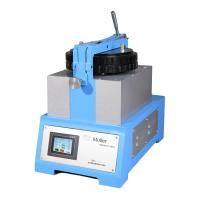
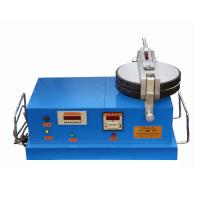
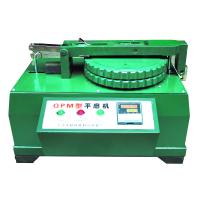
The conventional standard method using a plane grinding machine for strong grinding, to achieve full dispersion of pigment under the action of strong shear force, but in the actual plastic chromadizing process, the pre-dispersing force of the pigment is weak, resulting in some poor dispersion of pigment can not fully color, low tinctorial strength, dark color and other problems.
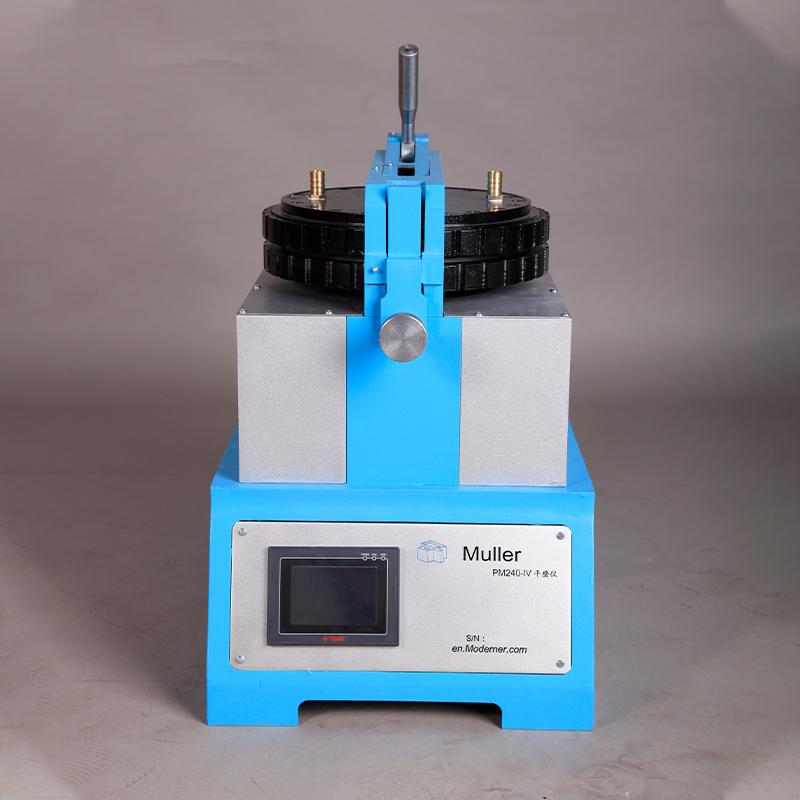
In order to solve this problem, researchers have carried out some work to find a test method that is closer to practical application.
New method
The researchers proposed a simple and effective test method to optimize the evaluation of pigment dispersion and make it more practical. The specific steps are as follows:
First, the pigment to be tested is pre-mixed with the plastic matrix to simulate the mixing process of pigment and plastic in practical applications.
Using simple dispersion equipment (e.g. Stirrer or Centrifuge), the pigment is fully mixed with the plastic matrix and dispersed.
The pretreated and dispersed pigments were compared with foreign products, and the tinctorial strength was evaluated under the same conditions to observe their hue, uniformity and other indicators.
With this new method, we can better evaluate the performance of pigments in the actual plastic chromadizing process and provide pigment manufacturers with more practical test results. Although this method may not be as accurate as the standard method, it is more practical and helps to detect problems with poor pigment dispersion early and take corresponding improvement measures.