The performance of architectural coatings generally includes the hiding power, adhesion, minimum film forming temperature, drying, color retention, gloss retention, leveling, etc. of the coating film.
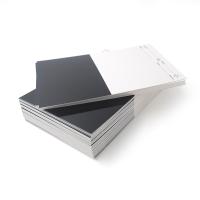
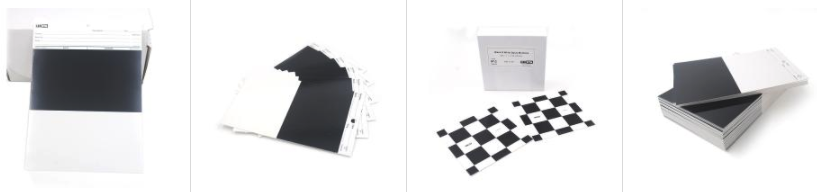
(1) Hiding power. Paint covers the surface of the object to be coated and has the function of making the original surface invisible. Expressed in the least grams of paint or raw material consumed per square meter. The hiding power depends on the type and amount of pigment. Generally, the hiding power of interior latex paint should not be higher than 250g/m2.
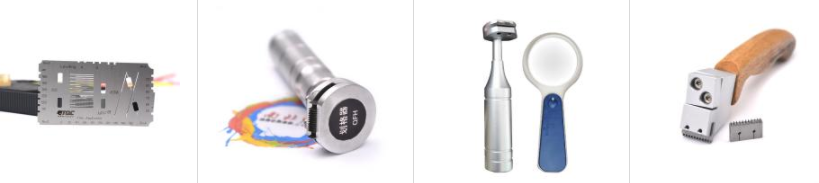
(2) Adhesion. The degree of firmness of the coating on the surface of the coated object due to physical and chemical interactions, the decoration and protection of the coating with high adhesion can last for a long time, while poor adhesion is prone to peeling and peeling, resulting in quality problems. The quality of adhesion is not only related to the performance of the coating but also to the condition of the base layer. Generally, there is no provision for the test of adhesion for thin coatings commonly used, and the determination of bond strength is commonly used for thick build coatings. Once a quality problem occurs, it is necessary to analyze the specific problem and find out the main reason in order to solve it.
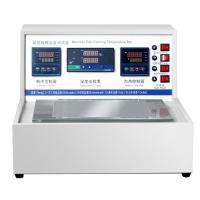
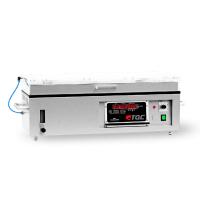
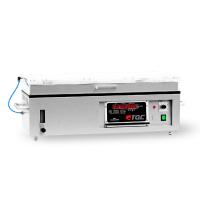
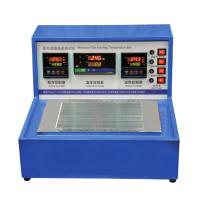
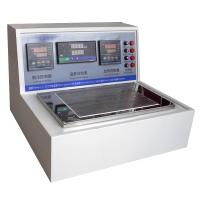
(3) Minimum film forming temperature (MFT value). The application of architectural coatings is affected by the ambient temperature, especially in the northern regions of my country, where the temperature differences between spring, summer, autumn and winter are relatively large. The minimum film-forming temperature of the coating is the minimum temperature required for the polymer emulsion to form a continuous coating film, expressed in MFT. Coatings prepared from different emulsions have different film-forming temperatures, which are usually provided by the coating manufacturer to the application party. Generally, the minimum film-forming temperature of synthetic resin latex paint is above 5°C, and the minimum film-forming temperature of inorganic paint is lower than 0°C.
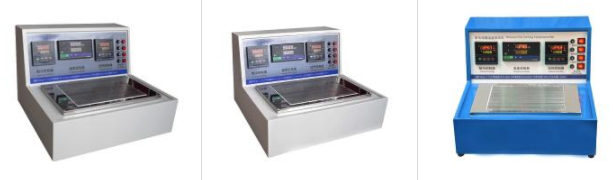
(4) dryness. It is the process in which the liquid paint is applied to the surface of the object, and gradually loses its fluidity as the solvent (water) volatilizes, and forms a continuous coating film. The dryness of architectural coatings is an important indicator. Generally, it is required that the surface of the coating film should not exceed 2 hours, and the actual drying should not exceed 48 hours.
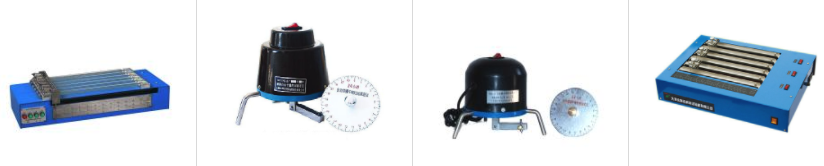
(5) Color retention. That is, the ability of the coating to maintain its original color is an important property of architectural coatings. If some pigments are very sensitive to ultraviolet rays, they will change color obviously after exposure.
(6) Gloss retention. That is, the ability of the coating to maintain the original gloss of the coating film under natural or artificial aging conditions. Acrylic paints have very good gloss retention.
(7) Leveling. That is, the ability of the paint to adapt to brushing. When the paint is brushed on the surface of the object to form a film, the paint marks should gradually disappear through the surface tension of the liquid to form a coating without brush marks. The higher the grade of paint, the better its leveling property and the smaller the brush marks should be.
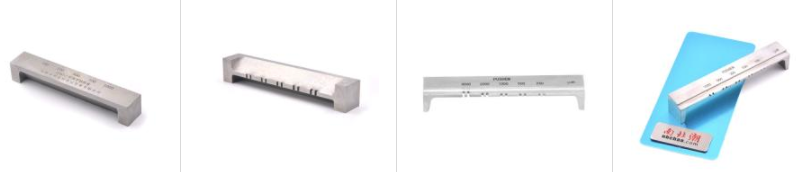
In addition, powdering resistance, scrub resistance, and pollution resistance are also unique properties of architectural coatings.