beer production process
The main ingredients of beer are water, barley (malt) and hops. Wort is made by placing malt in hot water and fermenting it in tanks. Alcohol and carbon dioxide (CO2) are then formed.
What are the risks of hypoxia and carbon dioxide poisoning?
A standard atmosphere has an oxygen content between 20.8% and 21%, while anoxic is an atmosphere with less than 19.5% oxygen. When the human body is deprived of oxygen, various symptoms can occur, and in the worst case, it can lead to death. Threshold Limit Values (TLVs) for chemicals are considered levels that workers can tolerate day in and day out in their working lives without adverse health effects. TLVs are reserved terms of the American Conference of Governmental Industrial Hygienists (ACGIH) and are widely accepted occupational exposure limits in the United States and most other countries. The threshold limit for CO2 is 5000 ppm. When the carbon dioxide concentration reaches or exceeds 5000 ppm, the human body can experience various symptoms, and in the worst case, it can lead to death. In order to prevent hypoxia and carbon dioxide poisoning, it is recommended to use a Gas Detector, which can detect O2 and CO2 in the brewery.
Why use carbon dioxide gas detection in breweries?
Human exposure to CO2 is a problem in the production of soft drinks, beer and the catering industry. Even low concentrations of CO2 of 0.5% (= 5000 ppm) can become uncomfortable. A 5% CO2 concentration is fatal within 5 minutes. CO2 is completely odour, color and tasteless and cannot be observed through the nose and mouth.
Typically, symptoms of carbon dioxide exposure are as follows:
0.5%: Asymptomatic after 6 hours of exposure
1-2%: Discomfort
3-4%: Respiration, pulse and blood pressure increased. Headache. Dizziness.
6%: Dyspnea
7-10%: Loss of consciousness within minutes. die
In the beer production process and wine production process, CO2 is produced as a by-product of the fermentation process. Carbon dioxide is heavier than air. The released carbon dioxide falls to the ground and accumulates in an invisible deadly blanket. The accumulation of carbon dioxide occurs in basements, storage boxes and confined spaces such as storage tanks and silos.
Generally, there are two solutions for detecting CO2 gas to create a safe working environment:
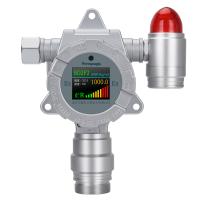
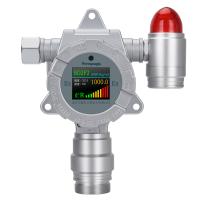
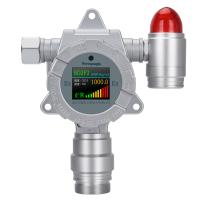
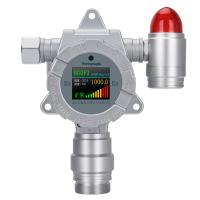
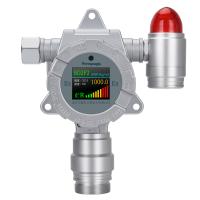
1. Install a fixed carbon dioxide Detector. It is a stationary system consisting of a gas measuring head with a CO2 sensor, connected to a control panel in the room where CO2 may be present, which is suspended in another room, which guarantees safety and does not contain CO2 .
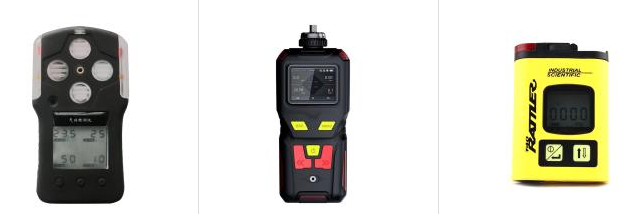
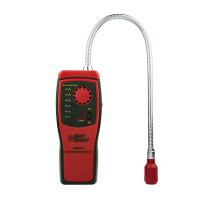
2. Use a portable carbon dioxide Gas Detector. A portable Detector that a person carries with him when he enters a room where CO2 may be present.
Why use O2 detection in breweries?
Another danger of monitoring is the reduction of oxygen concentration. Similar to CO2 gas detection, there are generally two solutions for O2 detection: fixed or portable.
What is the latest law?
"Arbowet" has been included in regulations since 2001. Recently, the government has recognized the importance of gas detection in breweries. Since 2017, there have been stricter regulations on the storage and use of CO2. The new law applies to accessible spaces that store 1.0kg or more of CO2. So these are pretty much beer cellars and cold storage. It doesn't matter if you use CO2 in your cellar, cold room or room. CO2 gas detection is required once the amount of CO2 stored exceeds 1 kg, or if the CO2 pipes only pass through cellars, cold rooms or storage rooms.