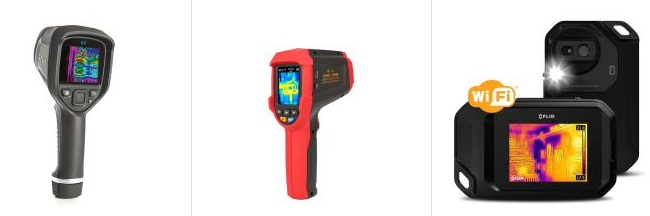
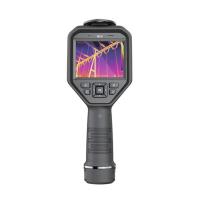
Thermal imaging cameras are extremely important in a variety of environments. In addition to being used in first-response settings, thermal imaging expands the range of tasks that robotic equipment can perform in high-risk environments or in emergency situations. Let's take a look at some of the "hot" topics about thermal imaging and its uses.
What is thermal imaging?
Thermal imaging cameras can efficiently convert heat (i.e. thermal energy) into visible light to analyze the surrounding environment. This makes them very versatile. Biological and mechanical devices emit heat, and thermal devices can see them even in the dark. These cameras are very precise and require only a small amount of heat to work effectively.
How does thermal imaging work?
Visible light is very useful to humans and other living things, but it's only a small part of the electromagnetic spectrum. Infrared radiation from heat takes up more "space" in the spectrum. What thermal imaging cameras capture and evaluate is the interplay of absorbed, reflected and sometimes transmitted heat.
The level of thermal radiation emitted by an object is called its heat signature. The hotter a given object is, the more it will radiate into the environment. Thermal imaging cameras are able to distinguish heat sources and small differences in thermal radiation. It compiles this data into a complete "heat map," differentiated by heat level.
What is thermal imaging good for?
Thermal imaging cameras have been used since the Korean War, originally for nighttime reconnaissance and combat. Since then, they have been improved for use by firefighters, electricians, law enforcement and rescue teams in disaster areas. They are also widely used in building inspection, maintenance and optimization.
How to achieve thermal imaging?
Thermal imaging can be a compact and effective technique. A simple thermal imager evaluates a heat source centered on a pair of crosshairs. More complex systems provide multiple points of comparison so users can analyze environmental conditions. Camera color palettes vary widely, from monochrome to full "rainbow" palettes.
What should you look for in thermal imaging equipment?
Exactly what you need from a thermal imaging camera depends on the environment in which it will be used. However, there are two areas that are key quality differentiators for thermal imaging cameras: Detector resolution and thermal sensitivity.
Like many other displays, resolution describes the total number of pixels – for example, a 160x120 display consists of 19,200 pixels. Each pixel has thermal data associated with it, so larger displays produce sharper images.
Thermal sensitivity is the difference threshold that the imager can detect. For example, if the device has a sensitivity of 0.01°, it can distinguish objects with a temperature difference of one percent. Minimum and maximum temperature ranges are also important.
Thermal cameras have some fundamental limitations: for example, they cannot see through glass due to the reflective properties of the material. They can also see but not see through walls. Nonetheless, thermal imaging has proven useful in many applications.