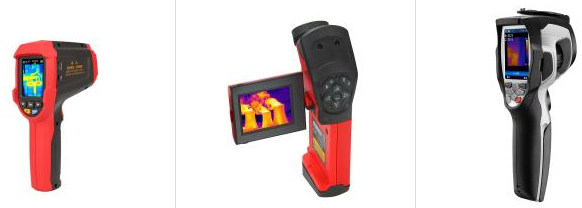
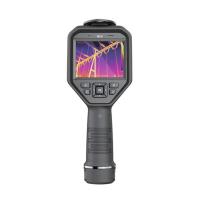
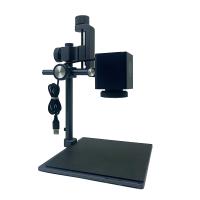
Thermal imaging is a method of gathering information about an object using infrared radiation and heat energy to form an image of an object even in low-visibility environments. This is a technique that has established widespread use over the years. In particular, it's an effective form of night vision technology, capable of working in the complete absence of any light (since it doesn't rely on visible light), and even in smoke, fog, fog, and mist.
How does thermal imaging work?
Thermal imaging is based on the science of infrared energy (also known as "heat"), which is emitted from all objects. The energy from an object is also known as the "heat signature," and the amount of radiation emitted tends to be proportional to the object's total heat.
Thermal imaging cameras, or thermographic cameras, are complex devices consisting of sensitive thermal sensors capable of picking up tiny temperature differences. As they collect infrared radiation from objects in a particular environment, they can begin to paint images based on differences and changes in temperature measurements.
Typically, thermal images are grayscale: white represents heat, black represents cooler areas, and shades of gray represent temperature gradients between the two. However, newer models of thermal cameras actually add color to the resulting image to help users better identify different objects -- using orange, blue, yellow, red, and purple.
Applications of Infrared Cameras
Dating back to the origins of thermal imaging, it is believed to have originated during the Korean War for military purposes such as reconnaissance and night combat missions. Since then, its use has broadly expanded into different disciplines and various practical applications.
Thermography for electrical maintenance is versatile. For example, powerline technicians use thermal imaging to locate and pinpoint joints and parts that are at risk of overheating because they already dissipate more heat than solid parts. They can also help spot loose connections or devices that are starting to fail.
Plumbers use thermal imaging cameras to check for possible leaks, mostly through walls and pipes. Because the device can be used from a distance, it is ideal for spotting potential problems in equipment that are either hard to reach or could pose safety concerns for workers.
Mechanics and building construction technicians who work on insulation use imaging technology to quickly identify leaks, which is important for maintaining efficient temperature regulation in buildings. At first glance, they can analyze the structure of a building and detect faults. Heat loss from walls, HVAC equipment, doors and windows are common thermal performance issues that are easily absorbed by thermal imaging cameras.
Animal and pest management is one area that has a surprising number of uses for thermal imagers. They can help spot pests or animals in dark roof areas without having to climb on them, and they can detect potential termite activity. Also, they are often used to more easily conduct wildlife surveys in a completely non-intrusive, non-intrusive manner.
Transportation navigation benefits greatly from thermal imaging, especially when traveling at night. For example, sea navigation uses it to clearly see other ships, people and obstacles at night at sea. In recent years, cars have begun installing infrared cameras to warn drivers or animals from street lights or headlights.
There are also practical uses in healthcare and medicine , such as spotting fevers and abnormal temperatures. This is proving to be especially important in hotter airports where these thermal imaging cameras can quickly and accurately scan all incoming and outgoing passengers, which cannot be overstated in recent outbreaks of diseases such as SARS and Ebola. Additionally, thermal imaging cameras have been shown to aid in the diagnosis of a range of ailments related to the neck, back and extremities, as well as circulatory disorders.
Firefighters use thermal imaging to help them see through smoke, especially during rescue missions as they search for people in otherwise obscured and dangerous environments. They also use thermal imaging cameras to quickly identify live fires so they can intervene before they spread.
Police and law enforcement agencies integrate thermal imaging cameras into their surveillance equipment to locate suspects, investigate crime scenes, and conduct search and rescue operations, especially at night. They are superior to night vision devices because they don't require any ambient light and are immune to glare, which goes without saying for tactical missions.
Without a doubt, science and research are huge benefits of using thermal imagers for precise and accurate visualization of thermal patterns.
Other applications using thermal imaging cameras include heating, ventilation and air conditioning installations, mold inspection, quality assurance during glass manufacturing, etc.
Saving money is something you don't necessarily expect from a thermal imaging device, but when you consider all the things it can do, it definitely makes sense. After the upfront cost of purchasing the equipment, they can undoubtedly save your business or home thousands of dollars or more in potential maintenance and repair costs that might otherwise have been incurred had the fault, leak or weakness not been discovered early on.
Fun features are also available! There are so many fun hobby-related things you can do with a handheld thermal camera, from spotting birds and other animals while hiking, to comparing the relative temperatures of drinks, and even picking out cooler spots in your room!
However, it is important to realize that while thermal imaging has all of these applications, it is often better to use other instruments or tools when appropriate to confirm what is being seen. Also, it's worth noting that thermal cameras can't see through walls and objects, instead they can only pick up reflective objects.
Selecting and purchasing high-quality thermal imaging
The importance of using high quality products to ensure you detect and record accurate measurements cannot be overemphasized. The biggest difference between the different types of thermal imaging cameras is the resolution and clarity of the images they provide. .
Thermal imaging is an impressive and compact method for identifying, measuring and visualizing thermal patterns, especially in environments that lack visible light. Equipped with effective, high-quality thermal imaging cameras, there are a wide range of applications from industry to health to research and science and more.