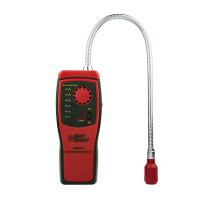
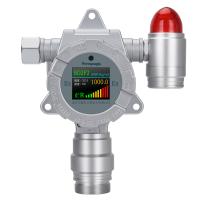
Where is a good place to put a carbon monoxide Detector?
Carbon Monoxide Poisoning Kills Thousands, and It's Easy to Prevent! Maybe you're moving into a new home, or maybe you've gone through our review of the best carbon monoxide Detectors and bought yourself a new unit. The next logical question is, where is a good place to put a carbon monoxide Detector? You want to find a place where the carbon monoxide Detector works, keeps you and your family safe, and doesn't add life to your room.
Install carbon monoxide Detectors where you spend the most time
Ideally, you'll want to have carbon monoxide Detectors in your home just like you would install smoke alarms. You'll need carbon monoxide Detectors in every major area of your home, including the kitchen, dining/living room, office, and bedrooms. If you live in a multi-story home, make sure you have at least one carbon monoxide Detector on each floor.
Since people are most susceptible to carbon monoxide poisoning while they are sleeping, the importance of placing alarms near a family bedroom cannot be overemphasized. If you have a carbon monoxide alarm, place it as close to everyone's sleeping areas as possible. If you have elderly family members or children living with you, provide extra protection near their room as they are most at risk of carbon monoxide poisoning.
Install alarms in high-risk areas
You need to place carbon monoxide alarms near any equipment that may leak or produce carbon monoxide. If your furnace is in the basement, make sure to put a carbon monoxide Detector in there. If you have a gasoline dryer, you should consider placing an alarm in your laundry room. If you always keep your car in the garage, you should also have one in the garage. Whether you are using a solid fuel appliance, anything that can produce carbon monoxide needs to have a carbon monoxide Detector
Avoid installing carbon monoxide Detectors in the ceiling
Smoke and heat rise. This is why people should pay attention to installing smoke alarms on ceilings or walls. However, carbon monoxide mixes with air. Since it doesn't go up, it's better to install a carbon monoxide Detector or alarm at knee level, which is the correct height for a sleeping person's mouth and nose. Therefore, a carbon monoxide alarm with a single function is highly recommended. If you are installing a dual smoke and carbon monoxide Detector, place it on the ceiling so it can detect smoke. But we also recommend purchasing an additional single-function CO Detector to place in your house and make sure you're covered.

find a place to avoid tampering
If your pets or children might tamper with the Detector, you can move it to chest height. You can also place them in hard-to-reach places where curious hands or overzealous tails can't reach.
keep the sensor clear
Remember that carbon monoxide Detectors should never be blocked by curtains, furniture, or other objects, as restricted airflow may affect their function.
Maintain Carbon Monoxide Alarms
Carbon monoxide alarms are generally low maintenance, but require attention. Thankfully, they'll usually let you know when something goes wrong! They chirp when they need attention, and a beeping carbon monoxide Detector can mean several things. Check the power supply first. Your Detector may be hooked directly into the house's electrical system, but most Detectors come with a battery backup. These batteries need to be replaced, and in our home maintenance checklist we recommend quarterly battery checks.
Another point worth noting is that your carbon monoxide Detector won't last forever. Over time, sensors used to detect carbon monoxide gas become less sensitive and may lose their effectiveness. Most Detectors have a lifespan of 5 to 7 years, and we recommend that you replace items older than 5 years to ensure your family is protected in the event of a carbon monoxide leak.