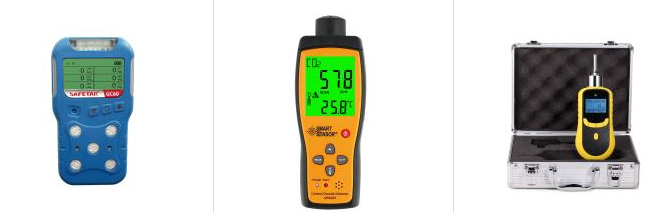
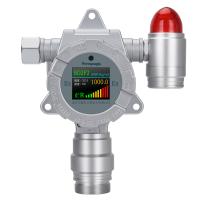
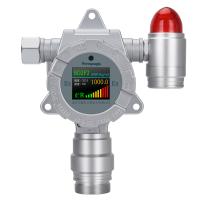
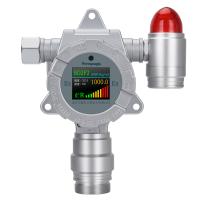
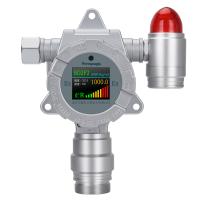
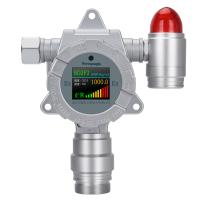
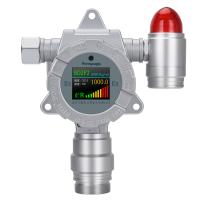
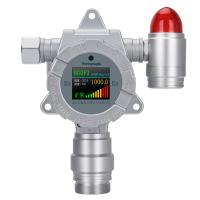
When selecting a system that can detect toxic gas leaks, many industries choose electrochemical Gas Detectors. Suitable for use in manufacturing plants, water treatment facilities, chemical processing plants and many other working environments, these Detectors offer many advantages. In addition to being able to monitor large and small areas with precision and reliability, they are relatively inexpensive and very cost-effective for most companies. However, as with most gas detection systems, one of the common questions is how long the sensor will last before it needs to be replaced. If you also have this problem, please refer to the following factors to determine the service life of the sensor.
working environment
Although capable of performing well in many different operating environments, electrochemical sensors sometimes experience difficulties in regions where temperature extremes are common. If there are regular temperature fluctuations, the sensor may occasionally give false alarms or incorrect data due to calibration issues. To avoid these problems, it is important that maintenance technicians and engineers regularly test the sensors for accuracy and reliability. For this purpose, a small amount of test gas is used on the sensors, allowing engineers at the monitoring center to receive real-time data and analyze its accuracy.
Range of life
Depending on the operating environment in which they are installed, electrochemical gas sensors can last up to three years before requiring replacement. In most cases, the range is between 12 and 36 months, depending on environmental conditions, maintenance schedule, and other factors. While this may sound like a short lifespan to some, it is actually considered a very cost-effective detection system for many facilities. In most companies, the energy cost savings for the equipment far outweighs the cost of replacing electrochemical toxic gas sensors, making them an important part of many industrial safety programs.
Professional Electronics and Software
To further increase the lifespan of these sensors, most include specialized electronics and software. These features allow the sensor to monitor toxic gas buildup very efficiently while using very little energy in the process. In addition to this, it can also be easily calibrated by a field technician or field engineer using the included software. These features, combined with wireless technology, allow the sensors to still maintain high resolution, which could be beneficial in emergency situations.
Coordination with mobile devices
By having wireless technology and being able to use very little power in the process of scanning for toxic gas leaks, electrochemical gas sensors can be linked to many different types of mobile devices. Whether it's a tablet being used by an engineer who is troubleshooting equipment, a smartphone being carried by a supervisor as he inspects tanks in a warehouse, or a laptop being used by a technician, this technology ensures that no matter what happens , key personnel will always have access to new data 24/7.