If carbon dioxide gas buildup occurs in any area of an industrial facility or laboratory, it needs to be detected very quickly. If this doesn't happen, the danger could be enormous. Therefore, companies should ensure that gas meter Detectors are installed not only near confined spaces but also in large open areas where equipment and personnel may be present. However, to ensure that the Detectors installed are suitable for the facility, it is important to learn as much as possible about their functionality, characteristics and reliability.
professional technique
Due to the importance of CO2 meter sensors, they are equipped with new electronic technology. As these sensors have become increasingly important to numerous facilities in different industries, electrochemical techniques have now become the standard technology used in most sensors. Using this technique, multipath detection can be performed in all areas of the building. Because electrochemical techniques can detect CO2 accumulation very quickly using open pathways and sample-drawing methods, the data can be transmitted in real time and analyzed by monitoring center personnel to determine the actions that need to be taken.

Confined Space Monitoring
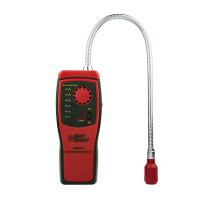
Since engineers and technicians spend most of their time in confined spaces testing and testing various types of equipment, it is also important to have monitoring equipment in these areas. For many companies, handheld meter Testers have proven to be very effective. It is small and easy to use, allowing those working in confined spaces to closely monitor gas levels for signs of impending danger.
wireless technology
Since many industrial parks, warehouses and other facilities are so large, it cannot be overemphasized that engineers and others always have ready access to accurate and reliable data. To do this, the facility utilizes a wireless network to allow the smart meter Detectors and their data to be linked to a variety of mobile devices, which may include smartphones, tablets, and laptops. With this capability, real-time data is continuously streamed to these devices, allowing personnel to be in any area of the facility and still be alerted of potential hazards.
correct calibration
In order for meter Detectors to communicate accurate data to engineers and others, the meters need to be properly calibrated at all times to the conditions of the work environment. In most cases, this includes taking into account factors such as: temperature extremes, humidity, dust and dirt, and possible shock and vibration to the equipment. To test the calibration of a meter, technicians typically use a controlled gas sample and then relay the information to a monitoring center.
multiple alerts
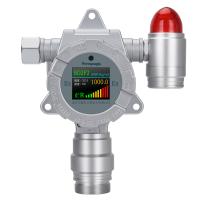
Since all facilities are different in size and layout, there are many different types of alarm systems that need to be provided. For today's CO2 Detectors, this includes strobe lights, sirens, and strobe lights. Capable of being deployed in areas where noise may be an issue or where workers are spread out over a large area, these alarms ensure that workers are alerted to CO2 gas buildup regardless of current conditions.