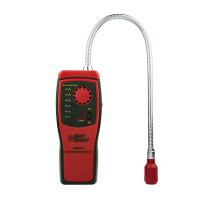
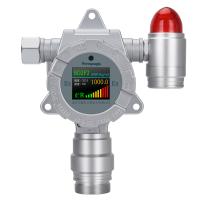
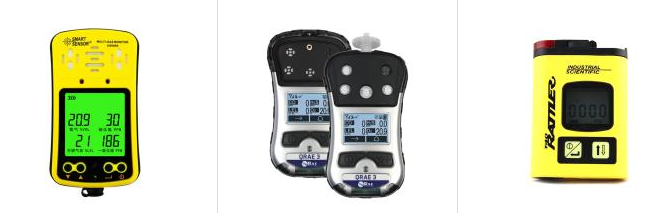
If you work on an offshore rig, a wastewater treatment plant, a natural gas pipeline, or a medical research laboratory, you're in close proximity to H2S (also known as hydrogen sulfide). H2S is considered to be the most dangerous gas in the workplace, not only poisonous, but also colorless, flammable and corrosive. Because of the danger, it is strongly recommended that workers wear an H2S gas monitor at all times while on the job. However, since this dangerous gas can be found in many different work environments, it can be difficult to know exactly where the monitor is being worn. If in doubt, here are some places where these monitors should always be worn.
hermetic space
In almost any laboratory or industrial facility, there are numerous confined spaces used to store chemicals, install equipment, and many other things. As a result, workers from various departments may be in these areas during a working day. However, many of these people may not realize that hydrogen sulfide is very difficult to monitor in confined spaces. As a result, there have been many instances where workers were exposed to dangerous levels of H2S. When this happens, the results can include difficulty breathing, convulsions, loss of consciousness and even death. Therefore, all workers in confined spaces should always use hydrogen sulfide Gas Detectors to ensure safety.
warehouse
Besides confined spaces, warehouses are some of the most difficult places to reliably monitor dangerous levels of hydrogen sulfide. Since warehouses are often located in remote areas of industrial parks and typically have only a few employees at any given time, an undetected buildup of hydrogen sulfide can become deadly without anyone noticing. Therefore, warehouse employees and others who will be in these buildings should be required to wear portable H2S monitors. Small enough to clip onto clothing, the monitors can transmit real-time data to engineers, keeping everyone safe.
laboratory
Whether in medical research laboratories where products are designed and tested or in industrial laboratories, the danger of hydrogen sulfide remains. In almost any laboratory setting, there are a variety of chemicals and other hazardous substances nearby. As a result, the chances of hydrogen sulfide gas accumulation are greatly increased. Like warehouses and confined spaces, laboratories are often separated from the rest of the facility, making them difficult to monitor safely. Instead of taking chances with all scientists and others working in these fields, it is recommended that all personnel and visitors wear H2S Gas Detectors, just in case.
Since there are many factors regarding how hydrogen sulfide will affect an exposed person, the importance of wearing appropriate monitoring equipment in any environment where there is a risk of hydrogen sulfide exposure cannot be overemphasized.