Due to various safety concerns in oil and gas facilities, it is important to have detection systems in place in many cases, one of which is ammonia detection. Since an undetected ammonia leak can have disastrous results, it cannot be overstated how important it is to have a state-of-the-art ammonia leak detection system to keep employees safe on the job. However, due to the complexity of many oil and gas industry facilities, it can be difficult at best to monitor all areas for ammonia spills. To understand how advances in detection technology have made this task easier, here are some important details about ammonia detection in the oil and gas industry.
Professional testing ability
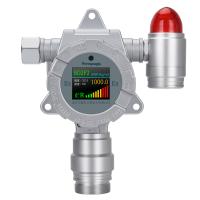
Today's ammonia Detectors have specialized electronics that far exceed the detection capabilities of Detectors from a decade ago. In fact, today's Detectors are 10,000 times more sensitive than previous Detectors and sensors, allowing them to find the smallest ammonia leak much faster. As such, they are often installed in isolated areas of oil and gas facilities such as confined spaces, storage areas and warehouses.
various applications
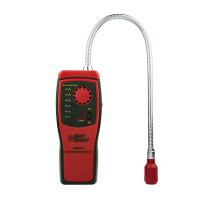
Since not all oil and gas industry facilities are the same, modern ammonia detection and alarm systems are used in an increasing number of applications. For example, many companies now rely on portable ammonia Detectors, which are used by engineers and maintenance technicians as they find themselves working in isolated areas that are otherwise difficult to monitor. Because these Detectors are small and can be strapped to clothing, repair and installation of the equipment can be easily accomplished while recording environmental conditions and relaying the information to a monitoring center in real time.
Increased durability
There have been many ammonia Detector sensors in the past, and one of the bigger hurdles was having to replace them every few years. As a result, many companies find themselves spending far more on these detection systems than their budgets allow, often resulting in many facilities failing to properly monitor for ammonia leaks. However, as technology improves, today's ammonia detection systems are now expected to last a decade or more, if required. The company has built in self-calibrating electronics and shields to keep the Detectors working during an emergency, and companies can now purchase the Detectors as a long-term investment in facility safety.
harsh working environment
Since high humidity, extreme temperatures, dust and dirt, and shock and vibration are common conditions in the working environment of many oil and gas industry facilities, it can be difficult to find an ammonia detection system that will perform well under these conditions. However, because technological advances have taken these factors into account, today's Detectors can withstand these and other situations where harsh conditions can prevent data accuracy and reliability. As a result, ammonia detection systems now have a solid reputation for good performance on offshore rigs, manufacturing facilities, and other common areas of the oil and gas industry.