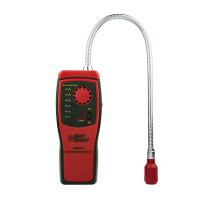
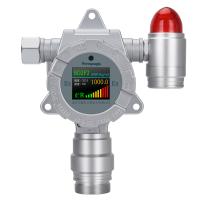
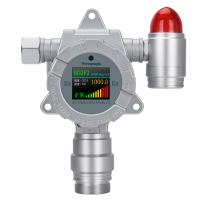
In manufacturing environments, it is important to have systems to detect flames and toxic gases in research laboratories, water treatment facilities and other buildings. From workers spending hours in confined spaces to production workers handling sensitive equipment, the importance of these detection systems in protecting areas from these potentially catastrophic threats cannot be overemphasized. However, when selecting a system for your facility, many factors can come into play, such as working conditions, system cost, installation process, and more. Therefore, for many companies requiring an industrial flame detection system, the most sensible option is to install catalytic sensors.
open path technology
Using open path technology to scan large areas faster, Catalyst sensors are typically installed throughout buildings near areas most prone to gas leaks or buildup, such as near confined spaces or near pipes. , valves and storage tanks. However, it is important to note that when locating sensors, it is best to avoid areas that may be exposed to hydrocarbons for long periods of time, as this may weaken the sensor's transmitted signal.
independent monitoring
Although catalyst bead sensors work well in many facilities, some companies now prefer to use standalone catalyst Detectors that can be placed in a central location. In this way, a building can scan large areas for hazardous gas buildup and leaks with only one monitor. However, if your company is on a tight budget, pay close attention to the type of Detector you buy. For example, while bead sensors are relatively inexpensive and have versatile placement options, stand-alone Detectors can cost up to $10,000 each and placement guidelines can be more stringent.
maintenance requirements
Like any type of gas detection equipment, catalyst monitors have specific maintenance requirements in order to maintain a high level of accuracy and reliability. This is especially true for calibration methods, which need to be performed periodically by a trained technician or engineer. Since these Detectors will be placed in areas where contamination problems with chemicals such as chlorine may occur, technicians should periodically test the sensors by exposing them to small amounts of various gases. This way, not only will the sensors remain active, but the data can be transmitted in real-time to engineers for immediate analysis, ensuring that the sensors are in working order.
Shock and Vibration
When these Detectors are placed in a working area with equipment, they may be subjected to varying degrees of shock and vibration. While most Detectors can withstand this, sometimes excessive shock and vibration can cause problems with the sensor circuitry, increasing the chances of occasional false readings. To avoid this, it is better to place the sensor in an area where shock and vibration are limited. In many cases, portable Detectors are used instead of fixed monitors, especially in difficult-to-monitor areas such as confined spaces.