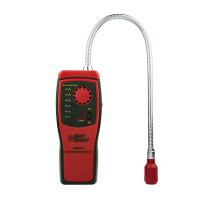
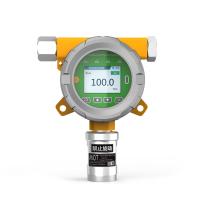
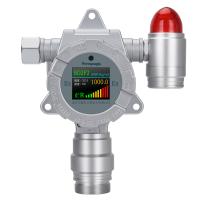
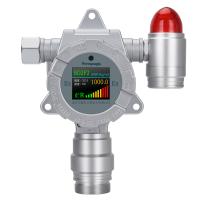
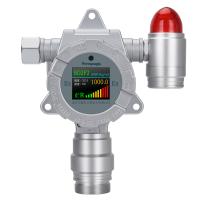
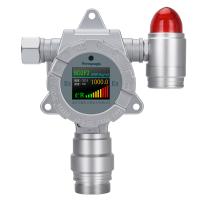
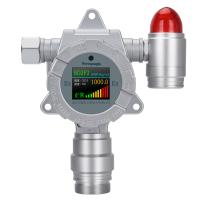
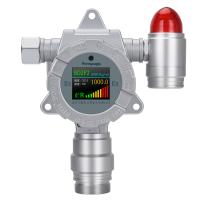
Used in a variety of work environments where the buildup of natural gas or carbon monoxide may occur, rely on catalyst sensors to keep workers safe every day. Designed to include new technologies including alarm systems, calibration methods and the ability to withstand harsh operating environments, these sensors are accurate and reliable in almost any situation. However, just like other types of sensors, once installed, there are factors that come into play to ensure maximum efficiency. Here are some key points to keep in mind when considering catalytic gas sensors for your facility.
little maintenance
Because catalytic bead sensors have been in use for decades, they have a proven track record of reliability. By requiring very little maintenance after installation, they are considered a very cost-effective option for businesses that may have strict industrial security budgets. In most cases, weekly calibration checks by a maintenance technician are sufficient to ensure these sensors are working effectively.
easy installation
In addition to being inexpensive and cost-effective, catalytic Gas Detectors are very easy to install. Their small size fits easily into almost any space, and they can often withstand a variety of harsh operating environments, including heat, dust, and dirt. Whether installed in a tight space or a large production area, catalytic gas sensors are worth the investment.
Calibration procedure
In order for a sensor to correctly read nearby gas levels and then transmit accurate and reliable data to a monitoring center, it needs to be properly calibrated at all times. Although they may require little routine maintenance to continue to function properly, calibration procedures need to be followed very carefully. In addition to testing sensors weekly, they should be inspected during each shift by a maintenance technician, supervisor or other employee trained in the calibration procedure.
Consider your work environment
Even though these sensors work well in most work environments, there may still be problems in certain situations. In most cases, this may involve supersaturation of gas in a region, which can sometimes distort the data. However, if the calibration procedure is performed in sequence, and the correct sensors are selected for the facility's operating environment, they may have few problems.
use the correct positioning
Although these sensors can be installed almost anywhere, it is important to place them correctly. This way, you can be sure that they will perform at their best. Since the electronic circuits contained in these sensors are very sensitive, it is better to place them as close to the device as possible. When finished, they may experience very small shocks or vibrations, which could indicate equipment failure that may have caused a gas leak. Once maintenance technicians are aware of these problems, they can fix them before bigger problems arise.