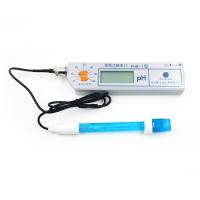
pH refers to how acidic or basic a liquid solution is. A liquid with a pH of 7, measured on a scale of 0 to 14, is said to have a neutral balance of acids and bases. Liquids with a pH below 7 are considered acidic; liquids with a pH above 7 are considered alkaline.
Many factors can affect the pH of a liquid. For example, downpours may drag minerals from rocks into the water, and metals from plumbing systems may seep into water passing through pipes.
Why measure pH?
Scientists, researchers, and water treatment managers measure pH for a variety of reasons. Water that will eventually be consumed by humans, directly or indirectly, needs to be maintained at a certain pH level. When water becomes too alkaline, it can start to taste bitter and can cause deposits to form in pipes and equipment. On the other hand, when the water is too acidic, metals can corrode. Aquatic plants may also die. Certain scientific experiments require water to reach a specific pH level to ensure accurate results. The list goes on.
What are the main uses of pH in different industries?
Any industry that uses water (i.e. a lot of water) will need to test the pH at least periodically to ensure the water levels fall within the desired range. Otherwise, when the pH falls outside the preferred range, food may be unsafe to eat, beverages may be too acidic to drink, hot spring water may irritate eyes and skin, and research experiments may draw incorrect conclusions, among other things Adverse consequences.

Below are seven industries that commonly test for pH.
1. Wastewater treatment
During wastewater treatment, heavy metals, organic compounds and other toxic substances are removed from the water. During this process, the pH needs to be adjusted by adding chemicals to the water to separate the dissolved waste from the liquid. Managers at plants that process sewage or recycle water used in manufacturing need to monitor pH levels to ensure that the water is safe to proceed to the next stage of treatment so that they end up with pure, safe water at the end of the cleaning process.
2. Aquaculture
Aquaculture is a multi-billion dollar industry responsible for supplying nearly half of the world's seafood. To keep aquatic organisms alive and ensure they are healthy enough to be eaten, companies in this field need to regularly monitor changes in pH. Generally, fish thrive on a pH range of 6.5 to 9.0.
3. Food and drink
Monitoring pH levels in the production of any food or beverage product is important. For example, when the water used in beverage manufacture is too acidic, consumers can potentially damage their dentition. Companies also need to monitor pH levels in food production to ensure their products are safe to eat and of high quality. For example, pork with a pH of 5.6 to 6.0 indicates that the pig is well-fed, while a lower pH indicates that the pig may be living a stressful life. Also, meat products like salami should have a pH below 5.3 to prevent bacterial growth.
4. Swimming pool and hot spring water
Whether managing a large community pool or a private spa, pH needs to be measured to determine how much disinfectant (for example, chlorine) needs to be put in the water to maintain a safe swimming environment. When the pH is too high, the water can become cloudy and can cause discomfort to swimmers' skin and eyes. If the pH is too low, swimmers' skin and eyes may also be irritated, and pool or spa casts may be damaged. A desirable pH reading for a spa is between 7.2 and 7.8.
5. Aquariums and fish tanks
To keep fish and other aquatic life alive, and to keep fish tanks and aquariums clean, many water compositional characteristics, including pH, need to be actively monitored. Otherwise, at best, the water in your aquarium or fish tank will look cloudy, and at worst, your fish may have a hard time surviving.
6. Research
Water plays an important role in many research projects. While the requirements of each experiment are unique, laboratory science demands highly accurate results. During experiments, researchers need to monitor pH to ensure reproducible, high-quality discoveries. For example, different types of bacteria thrive in environments with different pH levels. The importance of monitoring pH in any experiment involving bacteria cannot be overemphasized in order to draw accurate conclusions.
7. Hydroponics
The practice of growing plants in a nutrient-rich aqueous solution instead of soil is called hydroponics. If the nutrient balance or the pH of the water fluctuates too much in one direction, the plants may die quickly. For this reason, managers of hydroponic facilities keep a close eye on pH levels.
When water is used in industrial applications, it is likely that water quality characteristics, including pH, will need to be measured for safety and compliance.