Abrasive: Used to wear down a surface by friction. Examples include pumice stone, rotten stone, sandpaper, sandpaper, and steel wool. Adhesion: The ability of a coating to adhere to a surface.
Acrylic: This is a synthetic polymer used in latex or water-based paints. As the paint's binder, acrylic resins allow the paint to retain its durability and color. Anchoring: Mechanically bonding a coating to a rough surface; this is the opposite of adhesion, which is a chemical bond.
Binder: The binder binds the pigment particles into a homogeneous mixture and also helps the paint to adhere to the surface.
Blistering: The formation of air bubbles in the paint or varnish film due to loss of adhesion and lift-off. Caulk: A semi-dry or slow-drying plastic material used to seal joints or fill gaps.
Condensation: Attractive forces between similar molecules. is the force that holds the molecules of a substance together and is in contrast to the force of adhesion.
Dry Film Thickness: The thickness of the paint film when dry in microns. Sufficient thickness is required for the success of any coating system. If the thickness is too thin, it may cause premature failure of the coating system. Exceeding film thickness specifications can be just as dangerous.
Elasticity: The property of a film that allows it to stretch or change size and shape, returning to its normal state without cracking or cracking during processing.
Emulsion: A dispersion of fine droplets of one liquid in another.
Latex paint: A paint in which the resin is suspended in water before the emulsifier is applied.
Filler: A product used to fill pores before applying primer.
Galvanized: A coating of zinc that covers iron or steel to prevent rust.
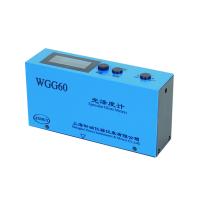
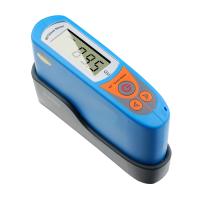
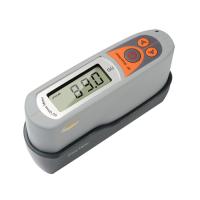
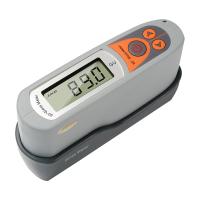
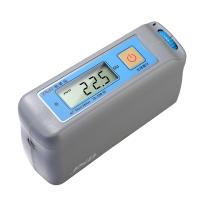
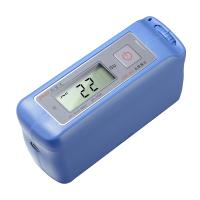
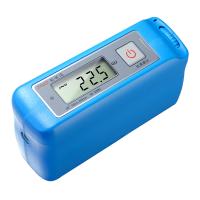
Gloss Meter: A scale used to measure the gloss or reflectivity of a paint.
Leaks: Application errors, small areas not coated.
Latex: Latex requires the polymer to be stably dispersed in an aqueous medium, or well dispersed in rubber or resin.
Opaque Coat: A coating that hides the underlying surface coating. Paint Gauge: An instrument used to measure the thickness of paint or paint films.
Resin: A material used as a binder in paint. Can be translucent or transparent, solid or semi-solid. Solvent: Any liquid that acts as a solvent for the resin. Usually refers to the liquid portion of paints and coatings that have the potential to evaporate.
Substrate: The surface on which the coating is located.
Topcoat: A topcoat that can provide protection and a topcoat of color.
VOC (Volatile Organic Content): Any carbon compound that evaporates under standard test conditions. These chemicals have high vapor pressure at normal temperature.
Water Emulsion: A mixture of pigments and resins in water with low solvent emissions, low fire hazard and toxicity, and good durability.
Wet Film Thickness: The original thickness of the applied coating before the solvent evaporates. A mixture of pigments and resins in water with low solvent emissions, low fire hazard and toxicity and good durability.
Wet Film Thickness: The original thickness of the applied coating before the solvent evaporates. A mixture of pigments and resins in water with low solvent emissions, low fire hazard and toxicity and good durability.
Wet Film Thickness: The original thickness of the applied coating before the solvent evaporates.