Paper plays an important role in color reproduction because its optical and surface properties affect how light is reflected. So how the color and tint values are displayed when printing. The type of paper on which a color is reproduced has a large effect on how the color appears. The same color is more reflective when printed on smooth coated paper because the light is not diffused like the texture of rough uncoated paper.
When printing, it's important to understand how individual colors appear when mixed together, which can help in finding the exact combination to get the desired effect. The rationale is that when you see red on a piece of paper, for example, light hits it in various colors, but blues and greens are absorbed, and reds are reflected back.
An industrial product may be paper, paint, paint or cosmetics, and it needs to influence the customer's purchase behavior of the product. The look and feel of a product promotes it globally. Manufacturers should consider the color and appearance of the product to produce high-quality products.
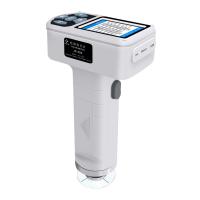
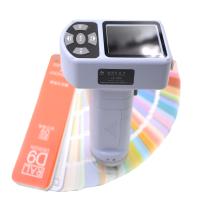
Highly standardized practices in the production process are required to ensure quality so that a good product with consistent color can be produced. To check color measurements, various color measurement devices are used.
White paper comes in various shades of white, from a very bright cool white to a warmer off-white ivory. The brightness of a piece of paper is expressed on a scale of 1 to 100, with 100 being the brightest. The brightness of paper can be judged by the optical brighteners added to the paper texture. It enhances the whiteness of the paper. These brighteners are chemicals that absorb UV light and fluoresce at specific wavelengths to visually analyze paper brightness. The human eye measures the brightness of paper as a white effect. It can be measured with a Colorimeter.