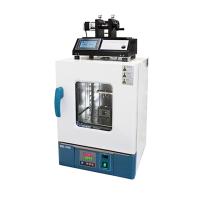
一些需要涂层的复杂零件不适合喷涂,粉末喷涂或其他广泛使用的涂覆方法。浸涂是对充满角,缝隙和其他难以触及区域的材料进行精加工的一种选择过程,前提是可以将这些难以触及的区域排出。制造商已经使用浸涂工艺将近一个世纪,以对难加工的金属,陶瓷,塑料,PVC和其他几何形状具有挑战性的零件和产品进行喷涂。
工业浸涂工艺
浸涂工艺可以分为四个阶段。
预处理:浸涂需要可控的环境和干净的表面,以准备接受涂料。这通常需要溶剂或磷酸盐浴来清洁基材,有时需要喷砂处理以磨蚀表面并促进附着力和有效的材料转移
浸入:首先,将材料以恒定速度浸入(浸入)涂层中。浸入之前,可能有必要用底漆对零件进行预处理,以确保表面清洁并准备好接受涂层。
住宅:心轴保持完全沉浸在浸涂用于在指定的时间周期。
抽出:心轴以恒定的速度抽出,没有任何颤动,以实现均匀,光滑的光洁度。撤出速度越快,应用越厚,因为撤出速度越快,在涂料可以倒流回溶液之前,会将更多的涂料拉到基材上。在所有其他因素相同的情况下,较高粘度的涂料在浸涂中的涂覆也比低粘度涂料更厚。
为什么要使用浸涂?
浸涂有几个独特的优点。快速浏览一些常见应用程序可以说明这些优点:
金属HVAC组件的浸涂:浸涂的重要的优势可能是它能够为具有挑战性的几何形状的基材提供完整的覆盖。例如,如右图所示的金属鼓风机轮被用于HVAC和空气污染控制行业的离心风机中。通常被称为“松鼠笼”,叶轮上的叶片对于风扇的基本功能重要性无庸赘述,但使喷涂或粉末涂层成为噩梦。想象一下,一名技术人员试图将涂料喷涂到车轮上的数百个缝隙中,以均匀的厚度或有效的方式喷涂更少的缝隙。然而,使用浸涂,涂层在整个表面上流动,从而相对容易地提供均匀的覆盖。
工具手柄浸涂:制造商通常希望在手柄上涂上柔软,可抓握的表面两种选择:注塑成型手柄套筒或涂浸涂。浸涂具有与注塑成型相同的效果,但是采用的是一种更简单,更经济的工业工艺。
Dip Coating of Metal Storage Racks: Metal storage racks are often dip-coated due to their open geometry. Spraying racks like the one shown below are extremely inefficient and the capital expenditures associated with installing a powder coating line to spray these materials are pointless. Dip coating systems offer similar advantages for chain link fencing manufacturing.
Other Advantages of Dip Coating
Dip coating lines are also efficient, minimal waste systems, as any excess paint drips back into the dip tank for the next round of application. Compared to a spraying line, where a significant portion of the paint ends up on the walls and floors surrounding the coated material. Buying agents with spray lines need to take this into account when deciding how much to buy, but can be sure that most, if not all, of the paint in the dip line will wind up where it is needed (on the part to be painted). Given its relatively simple, repetitive process, dip coating can also be automated.
Dip coating is not a great system and should not be used for all paint applications. If parts are too light relative to the coating, they may float when dipped, making it difficult to achieve the desired finish. The thickness of the film can vary from top to bottom (often referred to as a wedge effect), with a heavier coating on the lower bottom edge. Dip coatings are also prone to sag and sag if they are not specially formulated to prevent sag due to gravity during curing.
To avoid these problems, it is important to work with a professional formulator who understands your dip coating process and desired properties. Dip coatings can be formulated for a variety of cure types including conventional thermal, ultraviolet or even infrared techniques. They can also incorporate rich surface effects to provide unique finishes.