pH is one of the common analyzes in soil and water quality testing. Indicating the acidity of a sample, pH is actually a measure of the activity of hydrogen ions in the sample.
pH measurements are reported on a scale of 0 to 14, where 7.0 is considered neutral. Solutions with a pH below 7.0 are considered acids, while those between 7.0 and 14.0 are called bases. pH is logarithmic, so each unit change in pH actually reflects a tenfold change in acidity. For example, orange juice with a pH of 4 is ten times more acidic than cheese with a pH of 5.
Water with a low pH value is prone to corrosion, while water with a high pH value can lead to scale formation in, for example, boilers or cooling systems.
Small changes in pH (equal to or less than 0.3 units) are usually associated with larger changes in other water qualities, high solubility of iron, copper, calcium, manganese and other metals, large proportions of carbon dioxide, bicarbonate and carbonate Small numerical changes in pH measurements can change.
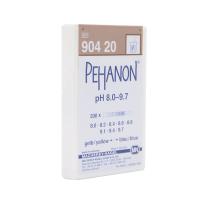
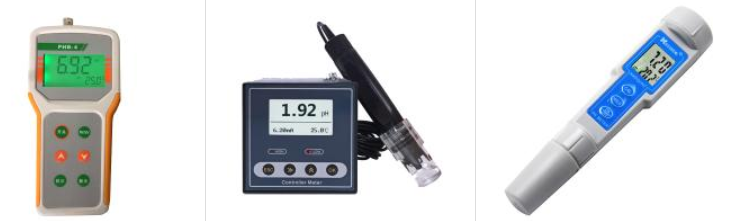
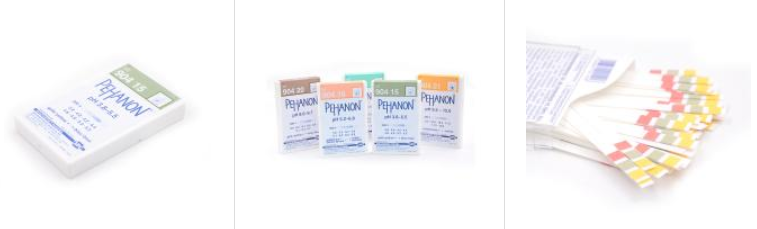
pH can be measured visually by using liquid reagents or pH paper, or electronically by using a pH meter or a post-reaction Colorimeter. Visual comparisons use pH indicators, where the color change reflects the pH, which is then matched to a color standard.
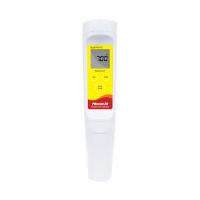
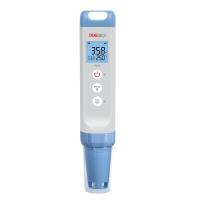
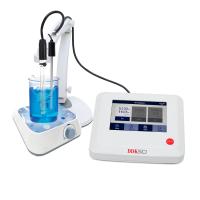
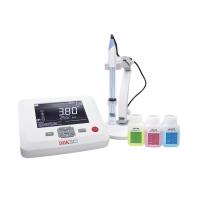
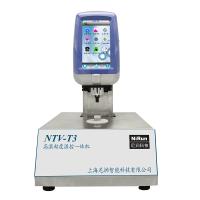
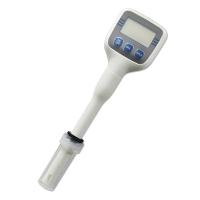
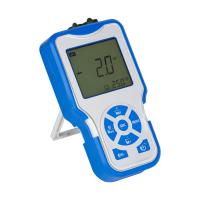
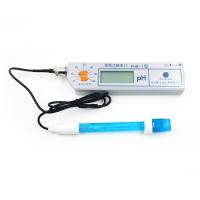
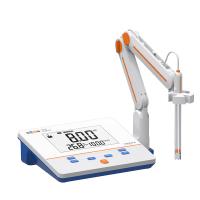
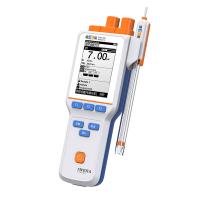
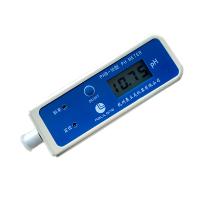
The pH meter simplifies pH testing. Place the electrode in the sample and read the pH directly from the meter. While the gauges are very easy to use, the electronics inside the gauges are complex. After the pH electrode measures the millivolt potential between the reference electrode and the pH electrode, the meter converts this reading to pH units.
In pools, a slightly alkaline pH of 7.4 to 7.6 is most desirable, as this range is most comfortable for the human eye and provides good free chlorine use while maintaining non-corrosive or scale-forming water.
A desirable pH for drinking water should be between 6-8.5, but the human body maintains a constant pH balance and is not affected by water consumption. For example, our stomachs have a natural pH as low as 2, which is the beneficial acidity that helps us digest food.