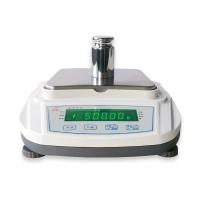
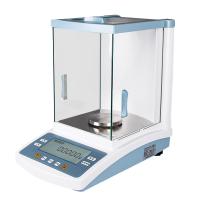
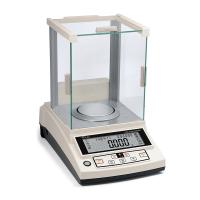
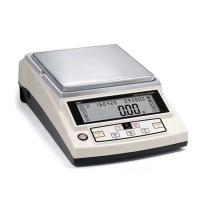
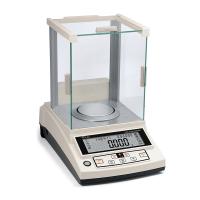
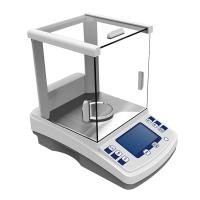
Analytical balances are fundamental tools for quantitative analysis. They are used for precise weighing of samples and sediments. Balances are capable of measuring to four decimal places, such as 0.0001 grams. Due to the very sensitive nature of these instruments, there are various factors that can cause them to give false readings.
In order for an analytical balance to provide accurate readings, the instrument needs to be calibrated. Calibration is important because it defines the accuracy and quality of the measurements recorded by the balance. To ensure the integrity of the measurement results, an ongoing process of maintaining and calibrating the equipment is required throughout the life of the equipment. As a result, reliable, accurate and repeatable measurements will always be achieved.
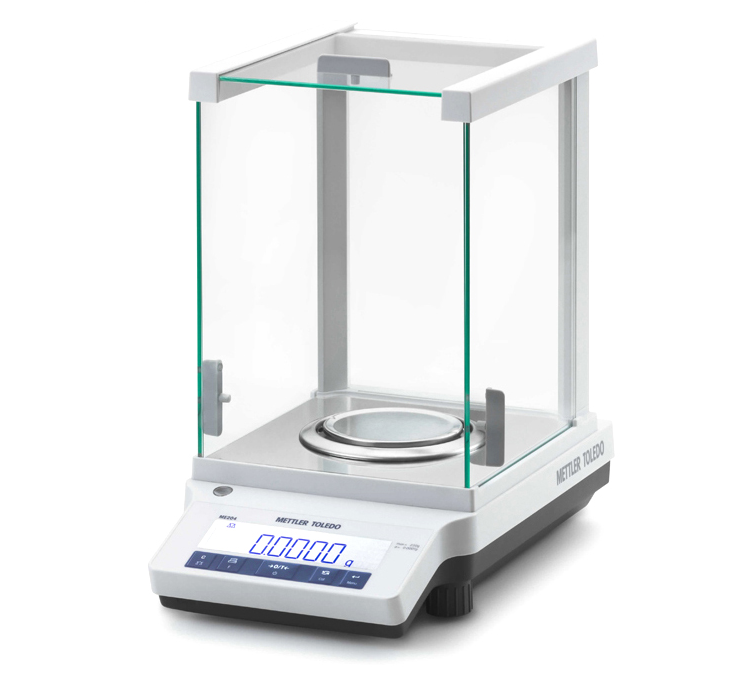
The following are some factors that can affect the accuracy of an analytical balance:
temperature
The slightest change in room temperature can cause significant changes in sample weight. Therefore, strict temperature control is required to provide accurate readings on analytical balances. This is an example of how temperature affects a sample: if the room temperature is too high, the sample may expand or lose some of its "water weight" due to evaporation. If the temperature is too low, the sample may shrink or condense water in the sample container. Both of these factors affect the measurement accuracy of an analytical balance.
shock
Vibrations from refrigerators, ventilation systems, and other vibration-generating equipment can affect the accuracy of analytical balances. Since the sample is really small in size, the smallest vibration can rearrange, displace or spill the sample, affecting the amount of material available for measurement and its distribution in the balance. Small vibrations can also damage the delicate mechanics of an analytical balance. These disturbances may require recalibration of the analytical balance, which can mean wasted time and money for associated research efforts.
chemical reaction
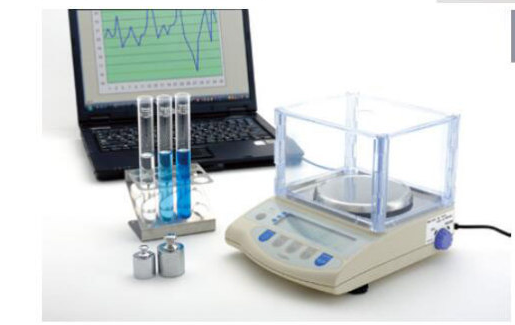
Samples can also be very sensitive to slight atmospheric changes in temperature and wind pressure. For example, if you expose a white piece of phosphorus to the open air, it will suddenly catch fire. Exposing such volatile samples to those conditions can lead to chemical reactions that are not only dangerous but also change the state of the sample. Therefore, the user should take precautions to ensure that the sample remains chemically inert during the weighing process.
airflow
Airflow affects the complex mechanisms of analytical balances, just as temperature and vibration affect the measurement of small sample volumes. Changes in air pressure from ceiling fans, air conditioners and open doors can also cause sensitive equipment to display false measurements.
calibration
Calibrating an analytical balance will ensure that it provides accurate readings. Although some balances have internal calibration, many laboratories perform their own calibration tests on new equipment using certified calibration weights to help users determine the calibration settings for their particular laboratory environment. It is recommended that the user test the balance every few months to ensure that the calibration settings are still accurate.
user error
In most cases, wrong measurements are the result of user error. Lab workers may accidentally leave samples on the table, exposing them to reactions with atmospheric elements. Otherwise, laboratory personnel may incorrectly calibrate the machine, affecting the accuracy of the balance. This is why most laboratories have strict procedures in place to maintain atmospheric standards to ensure accurate readings and reduce user error.
Workspace is cluttered
The accuracy of an analytical balance depends on how clean the workspace is. A cluttered workspace can affect the accuracy of your results. Make sure nothing comes into contact with the analytical balance. If anything touches or touches the balance, it will cause a difference in readings.
magnet
Some balances use magnets as part of the weighing system. Therefore, placing the balance near magnetic equipment or weighing magnetic samples may result in erroneous readings.
slope
The ruler or balance needs to be placed on a level surface. A precision balance weighs material assuming the balance is applied parallel to gravity and perpendicular to the weighing platform.
Improper grounding
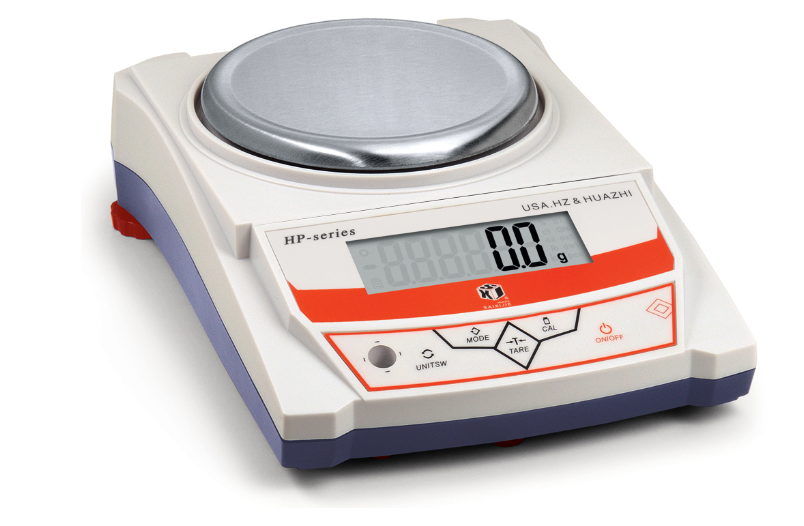
Make sure the AC power supply is properly grounded to prevent static buildup. Second, make sure the chassis is grounded to avoid electrostatic discharge.
Plastic or glass weighing container
Unlike metal containers, plastic and glass weighing containers can hold an electrical current. Static charges can cause non-repeatable measurements or drift in measurement readings. In this case, even a correct scale may give false readings.
Improper sample handling
Laboratory workers need to handle samples with care. For example, hot or hot samples should be cooled first. Hygroscopic samples need to be weighed quickly with the balance door closed to avoid moisture absorption. Failure to follow these steps will affect measurements. Place the sample in the center of the balance for accurate results.