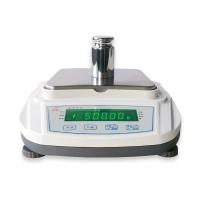
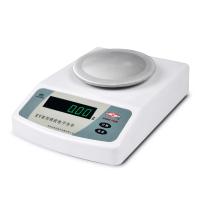
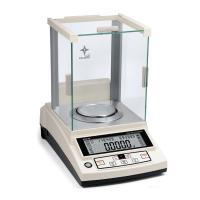
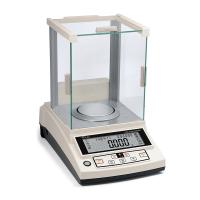
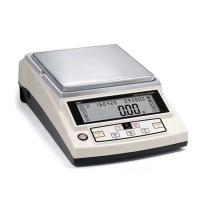
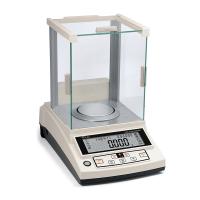
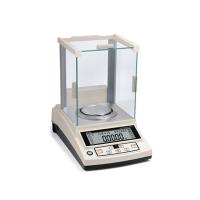
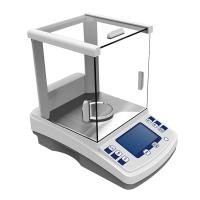
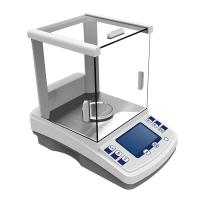
Weighing of precision analytical balances requires great attention from the operator. Many factors can affect the performance of laboratory analytical balances and cause unnecessary measurement errors. Errors of 0.001 grams or less where precision is paramount can be very important when strict regulations apply.
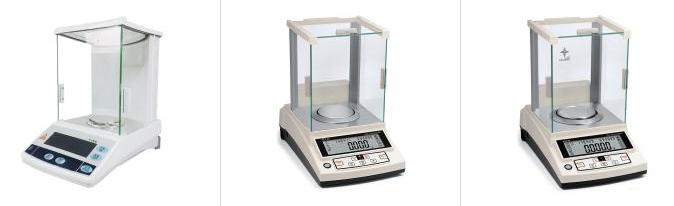
How do laboratory balance errors occur?
Simply put, digital analytical balance error occurs when the weight of a sample is inaccurately recorded by the instrument due to influences that may occur without the operator's knowledge, or due to poor weighing habits. Influences can be external or internal.
Although externally induced errors can be caused by many factors, they are easily reduced or eliminated. Often, these causes can be traced to lapses in precision balance operating procedures related to samples and the laboratory environment. Below are some suggestions for reducing external sources of weighing error. Note that some apply to the balance itself, others to proper handling of the sample.
Always check to make sure the balance is level. That's why they have leveling air bubbles.
Analysis of even the tiniest draft can be thrown off balance. Before weighing, close the balance door.
The sample temperature and the balance temperature need to be the same. Equilibrate hot or cold samples to room temperature in an airtight container before weighing.
Sample weight may change due to absorption or release of moisture or other volatile components. If the sample weight is erratic, but gradually increasing or decreasing, it may be the problem.
Protect hygroscopic samples from moisture until weighed.
Place the analytical balance in a protected environment away from temperature extremes, such as direct sunlight, heating and AC vents.
Avoid heavy traffic that causes vibrations in the weighing area.
Avoid overloading, which may cause mechanical parts to lag. This is especially important when working with microbalances.
Internally induced errors can result from improper handling of the balance, overloading the balance, or damaging delicate weighing devices. In this case, the balance should be returned to the manufacturer for repair by trained technicians.
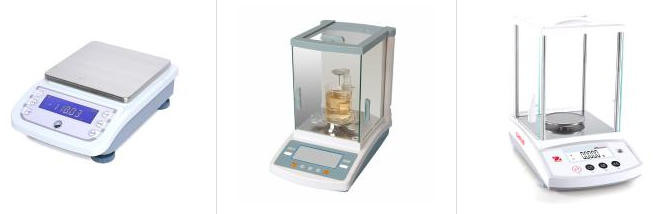
Proactive Prevention of Analytical Balance Errors
A better way to avoid weighing errors is to perform a calibration procedure on a regular basis, which should be specified in the laboratory operating manual. It may be necessary every day or even several times a day. In any event, calibration should be performed when the analytical balance is relocated, after a change in the laboratory environment, or after a power outage. Technicians who use analytical balances on a shared basis want to perform a recalibration because they do not know the weighing habits of previous users.
Analytical balances can be calibrated internally or externally. Some high-end balances automatically recalibrate if the temperature changes >0.5°C or every 4 hours, or if the device is disconnected from the power supply.
In conclusion, we cannot overemphasize the importance of properly trained personnel when it comes to avoiding weighing errors. Programming the analytical balance, sample handling, placing the sample on the weighing pan, and routine maintenance of the analytical balance are key. Read and follow the operator's manual.