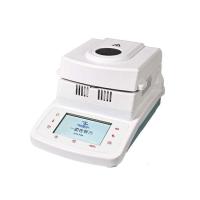
How should I maintain my Moisture Meter?
The Moisture Meter used for the check is usually calibrated at the factory. To keep the meter in good working order:
Store the meter in a clean and dry place
Replace batteries and pins as needed. Running the hygrometer on a weak battery may cause the hygrometer to lose calibration
Use biodegradable cleaners on exterior parts only to keep electrodes and gauges clean
If the meter needs to be repaired or recalibrated, it is recommended that the meter be returned to the manufacturer or the manufacturer's service center for repair and recalibration to original standards.
Which type of Moisture Meter is suitable for water damaged structures?
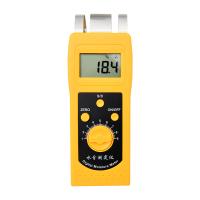
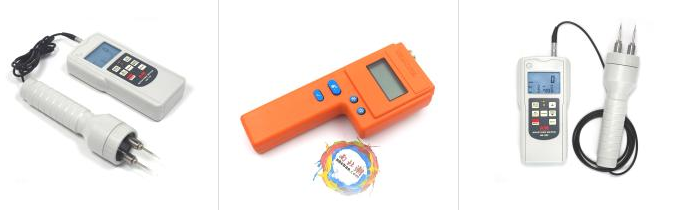
For quick identification of wet areas on walls and floors, the needleless flow meter is easy to use. They facilitate rapid testing of large areas and help you determine if further testing is required in certain locations.
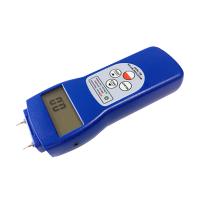
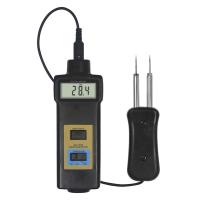
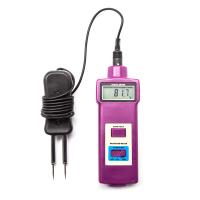
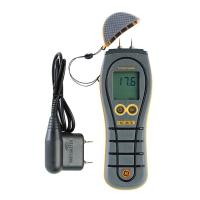
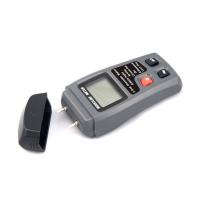
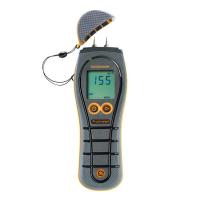
On the other hand, a pin Moisture Meter is a great way to identify exactly where water is behind walls, under floors, or in any other area where moisture may be hiding. The key to finding hidden moisture is to use electrodes with insulated contact pins. These pins are read only at the uninsulated pin tip, allowing the user to drive the pin into various depths of material and note the reading for each penetration level.
How far should I insert the non-insulated dowel into the wood?
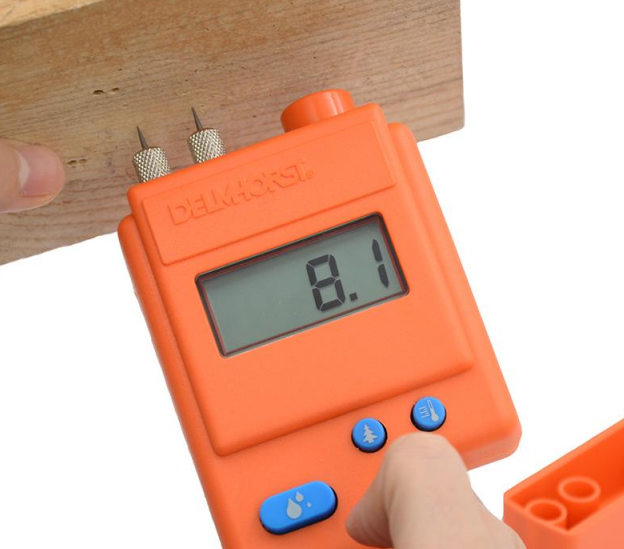
Insert the dowel all the way into the wood if possible. Moisture levels below 10% require positive contact with the substrate to obtain accurate readings.
Can I use a Moisture Meter to check for pests and diseases?
Can. A reading of a few meters at a critical location on a structure will quickly indicate whether the area is safe or in danger of intrusion. Using a needle Moisture Meter for pest control is a great way to determine the exact infestation points behind walls and ceilings. These meters accomplish this by detecting moisture in areas where pests can grow and thrive without human interference. While fungi and molds begin to grow in wood with a moisture content of about 20%, certain insects only grow in wood with 12% MC.