Background of the project
Pharmaceutical Manufacturing Industry (Pharmaceutical Manufacturing Industry) refers to the process in which raw materials become new pharmaceutical products after physical or chemical changes, including the so-called manufacturing of Chinese and Western medicines, and veterinary medicines also include pharmaceutical raw medicines and hygienic materials. The pharmaceutical and pharmaceutical industry is a complex chemical industry with cumbersome processes and complicated processes. Flammable substances are often produced. These flammable substances specifically refer to the explosive gases formed after mixing with air, which may be flammable gases, flammable liquids, flammable vapors, etc. Dangerous gases that often appear in the pharmaceutical production process mainly include: ammonia, chlorine, formaldehyde, sulfur dioxide, hydrogen sulfide, oxygen, VOCS, ozone, solvents, etc.
dangerous gas
Gases such as methanol (CH3OH), ethanol (C2H6O), and total volatile organic compounds (TVOC) may exist in the workshops, laboratories, and warehouses of large pharmaceutical factories. Methanol has low toxicity to the human body and has an anesthetic effect on the central nervous system; it has a special selective effect on the optic nerve and retina, causing pathological changes; it can cause metabolic acidosis. Ethanol is low toxicity, volatile, and a central nervous system depressant. Long-term exposure to high concentrations of this product can cause irritation of the nose, eyes, and mucous membranes, as well as headache, dizziness, fatigue, irritability, tremors, nausea, etc. Long-term exposure to the skin can cause Causes dryness, Graduation, chapping and dermatitis. TVOC can cause the immune level of the body to be imbalanced, affect the function of the central nervous system, and cause dizziness, headache, drowsiness, weakness, chest tightness and other subjective symptoms; it may also affect the digestive system, causing loss of appetite, nausea, etc. In severe cases, it can damage the liver and hematopoietic system. Allergic reactions, etc.
According to the relevant provisions of the national standard: "Occupational Exposure Limits of Hazardous Factors in the Workplace", methanol: PC-TWA: 25mg/m3 (17.5ppm), PC-STEL: 50mg/m3 (35ppm); ethanol: PC-TWA, 1900mg /m3 (911ppm), PC-STEL 2400mg/m3 (1151ppm); TVOC: PC-TWA 0.60mg/m3, PC-STEL no; PC-TWA: 8h working day and 40h working week stipulated by time as weight Average Tolerable Exposure Concentration.
Program overview
In order to fully protect the environmental safety in the factory area, a toxic gas detection system should be installed to monitor the factory buildings, laboratories, warehouses, etc. in real time. When a certain gas content exceeds the standard, timely measures should be taken to avoid danger.
1. On-site gas monitoring solution
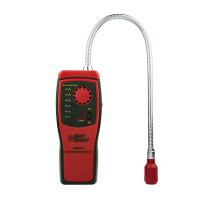
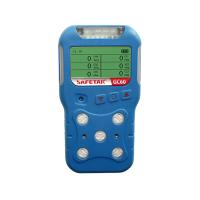
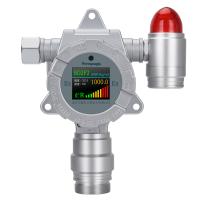
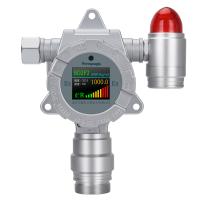
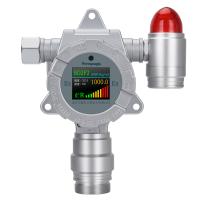
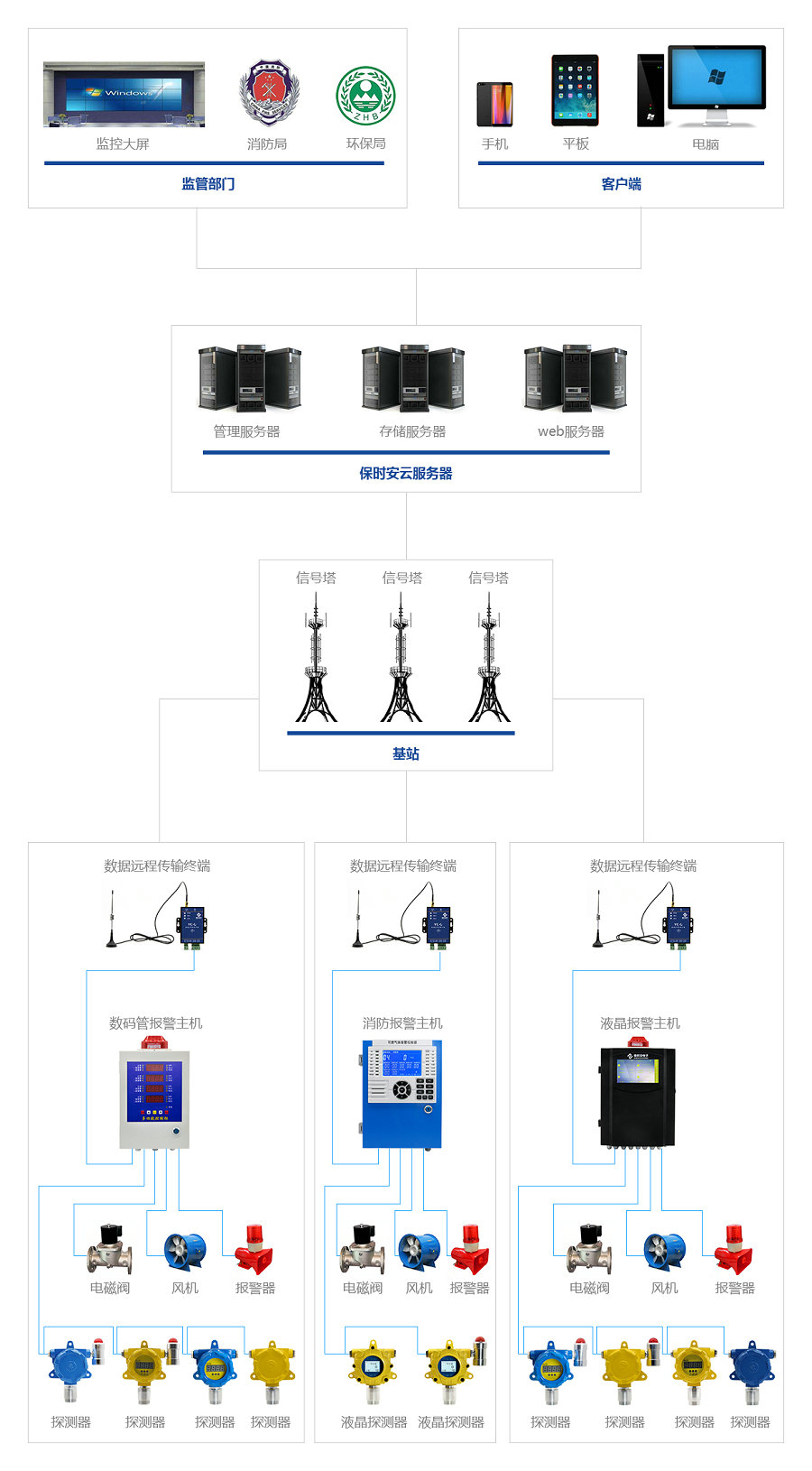
The Detector can continuously monitor the measurable gas in the industrial environment, and convert the gas concentration into a digital signal, which is transmitted to the gas alarm controller, which is identified, displayed and processed by the controller. When the index of a certain gas to be tested on site exceeds or falls below the set standard, the controller system will automatically perform a series of alarm actions, such as alarm, exhaust, trip, etc. (varies according to different settings of the user).
2. Data transmission scheme
YC-G data remote transmission terminal is a new type of terminal equipment for collecting sensor data with high flexibility and high reliability that our company has carefully researched and developed on the basis of summarizing the design and production experience of many years of data collection equipment. .
The device can be widely used in fixed Gas Detectors and gas control cabinets supporting the modbus protocol. Real-time monitoring of on-site gas concentration, real-time collection and transmission of various data. Through the 485 communication line and the detection equipment connection, the concentration value, decimal point, unit, equipment status and other information can be read in real time, and uploaded to the company's data monitoring server center according to the set time interval.
3. Terminal system solution
Baoshian industrial gas online monitoring platform uses new technologies such as the Internet of Things, cloud technology, big data, and mobile Internet as means to realize real-time gas data reporting, remote control, and equipment management, so as to realize the detection of dangerous gas leakage in the monitoring area. Event monitoring and prompting and alarming can effectively prevent the occurrence of dangerous accidents in enterprises, realize gas leakage and management in the production process, and ensure safe production of enterprises.
Managers can check the real-time values of monitoring area parameters at any time through computers, mobile phones, tablets, etc. When the relevant parameters exceed the limit, an alarm message will be issued to remind the manager to take corresponding measures, and control instructions can be sent to the relevant equipment through the computer or smart phone to realize the remote control of the gas parameters in the monitoring area.
System Features
1. Comprehensive remote monitoring of flammable and explosive gas content changes;
2. Predict the trend of change;
3. Realize safe production and achieve sustainable business growth.