Whiteness can be referred to as a measure of how closely a surface matches the properties of a satisfactorily reflective diffuser (ie light that neither absorbs nor transmits light, but reflects it with equal intensity in all directions). For the purposes of this standard, the color of this surface is referred to as preferred white. It is the ratio of the degree of correlation between the surface and the properties of a centroidal diffuse reflector. For example, a perfectly reflective surface never absorbs or transmits light. It has equal power in all directions.
White is a symbol of purity and freshness, and a sign of opportunity from pollutants. Spectrophotometers are constructed to help evaluate the whiteness of plastic films. The white surface reflects light throughout the visible range while maintaining a low size.
Yellow is associated with dirt, singing and corruption caused by light, preparation and general presentation. It is used to assess this devalued self-esteem. The yellowness index is determined from spectrophotometric data that account for the change in color of a test sample from clear white to yellow. This test is used to evaluate the color change of a material caused by actual or assumed outdoor exposure. Packaging, preparation and handling of test samples can affect test results by altering the surface of the sample. A yellowness index test is a set of comparative measurements over a long period of time, these factors are defined and written before the test takes place.

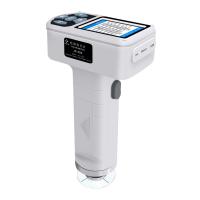
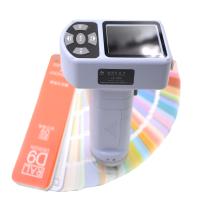
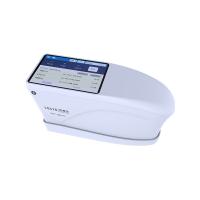
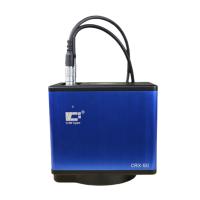
Packaging of Spectrophotometer s is highly automated. After indicating the light source, reference color and observer angle, the sample is attached to the sample holder and the Spectrophotometer takes the required readings. Repeat samples were measured and the average of all readings was taken.
Spectrophotometer wavelengths are used to measure the intensity of wavelengths of electromagnetic energy. The accumulated electromagnetic energy from the sample enters the device through the aperture and is separated into its constituent wavelengths by the holographic grating. The function of the grating is to distinguish each color from white light. The separated light is focused onto a CCD array Detector where the intensity of each wavelength is measured by the array's pixels. The CCD is read to a computer, and the result is a spectrum showing the intensity of each wavelength of light.