Electroplating a metal onto another metal substrate can provide benefits such as corrosion protection, increased wear resistance, and enhanced appearance only if the metal coating adheres properly to the surface. There are a few tests that can indicate with relatively high precision the level of adhesion of a coating. Here are some of the more common plating test procedures used to determine adhesion:
Bend Test: Using a mandrel, bend the part with the coated surface until its legs are parallel. The mandrel diameter should be at least four times the thickness of the sample. Examine samples under low magnification for signs of flaking or peeling. (Detecting instrument: bending testing machine)

Chisel Test: To use this method to test the adhesion of the plating process, a sharp cold chisel is used to penetrate the metal coating. If you are able to remove the deposit, then proper adhesion has not occurred.
File Test: First saw off a portion of the plated part and look for signs of separation at the deposit or substrate interface. Then use a roughing file to lift the saw edge. Evidence of lifting or peeling indicates poor adhesion.
Impact test: Hit the coated part with a hammer or other blunt object. Evidence of peeling or blistering indicates insufficient adhesion. (Testing instrument: paint film impact Tester)

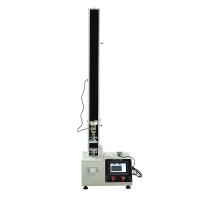
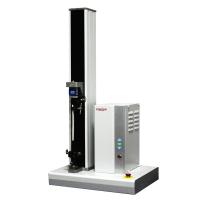
Peel Test: A brass or steel strip is soldered to a plated metal part and then attempted to peel it off at a 90 degree angle. If the deposit or substrate interface fails, the adhesion is incorrect. (Detecting instrument: Tensile Testing Machine)
Polishing Test: Use a smooth tool to rub against a small section of the coated part for about 15 seconds while being careful not to dip into the coating. Peeling coating, bubbling or lifting are all signs of poor adhesion.
Heat Quenching Test: The coated part is heated in an oven at a temperature appropriate for the substrate or metal-coating combination. After heating, cool the part by immersing it in room temperature water. Evidence of blistering or peeling indicates improper adhesion.
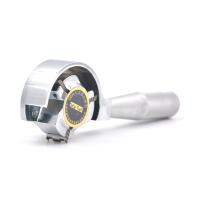
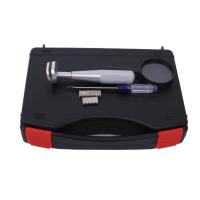
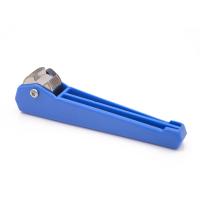
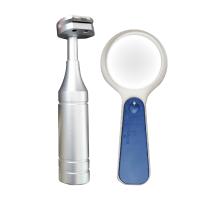
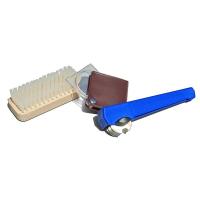
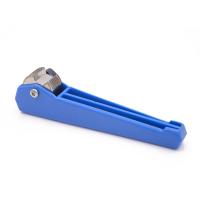
Cross-cut test: Use a hardened steel tool to scratch a grid pattern on the surface of the substrate. Insufficient adhesion is evident if any part of the coating cracks between the scribe lines. (Testing instrument: paint film scratcher)