The texture and gloss of the samples may make them appear lighter, darker, brighter or darker. This is because the surface condition of an object directly affects how wavelengths of light reflect off that object and how our eyes perceive its appearance. To more effectively evaluate, control and meet standards for the color and appearance of samples, it is important to understand how light interacts with various surface conditions and how this interaction affects color appearance.
Effect of Surface Condition on Color
Color is perceived when light reflects off objects and stimulates the cone cells in our eyes. Whenever we are awake and our eyes are open, these cones send messages to the brain to translate the colors we see in front of our eyes. Light bounces off objects in two ways, called specular reflection and diffuse reflection, and each affects how the human eye perceives an object's color.
Specular reflection : When a ball bounces off a wall, it may bounce in the other direction at the same angle. With specular reflection, light is reflected the same way - at equal but opposite angles. The reflection of light occurs more strongly on shiny and glossy surfaces, making objects appear more saturated and vibrant in color.
However, when light hits an object, not everything is reflected at that specular angle. The rest of the light is either absorbed by the object or scattered in all directions.
Diffuse reflection : Diffuse reflection of light refers to the scattering of light in all directions. This reflection of light occurs more strongly on rough, textured, and irregular surface conditions, making objects appear less saturated and have duller colors.
The appearance of an object's color is largely determined by the condition of its surface, the angles at which light is reflected from the object to our eyes, and the intensity of the reflected light from those angles. Objects with a glossy surface appear more saturated to the human eye than objects with a rough surface because the specular reflection of light is much stronger than the diffuse reflection of light. When formulating or evaluating the color of a sample, it is important to keep the following in mind:
High-gloss surfaces result in strong specular reflections and weak diffuse reflections, resulting in more saturated, vibrant colors
Semi-gloss surfaces cause the specular reflection of light to mix with the diffuse reflection of light, resulting in less saturated, lighter colors
Frosted surfaces result in strong diffuse reflections of light and weak specular reflections, resulting in less saturated dull colors
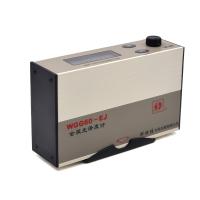
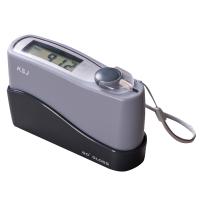
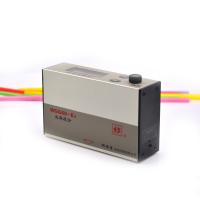
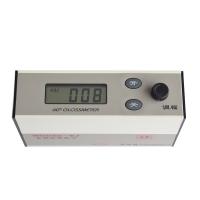
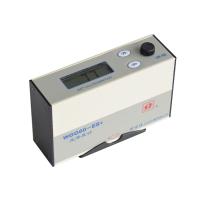
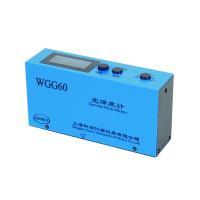
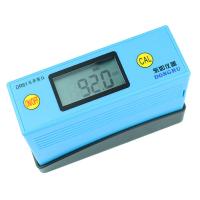
Gloss meter is a common gloss testing instrument.

Color Measurements: Include or Exclude Specular Component?
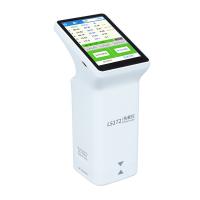
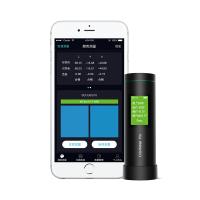
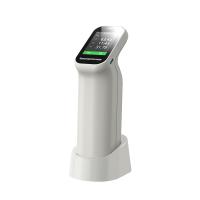
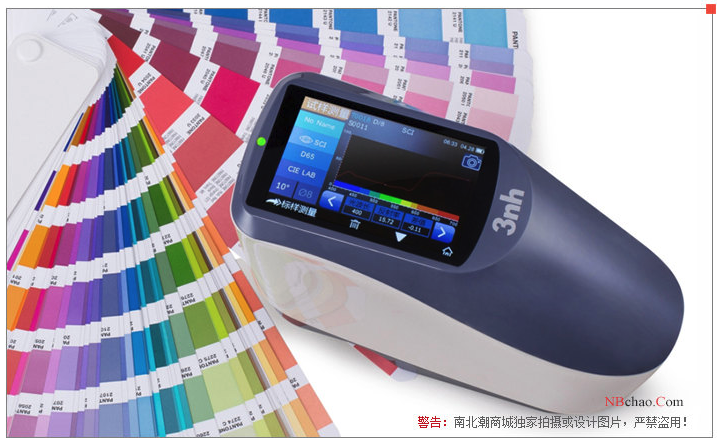
A shiny object dyed blue will appear more saturated and vibrant, while a rough object dyed the exact same blue will appear darker. Although two objects have the same dye color, their appearance is still different. Certain color Measurement Instruments, including Spectrophotometer s/Spectrophotometer s, quantify the "true" color of an object, or the appearance of an object, to help the user control its color and appearance. This is done through the instrument's measurement modes, including Specular Component (SCI) and Specular Component Exclusion (SCE).
For measuring the "true" color of an object, the SCI mode is usually used. This type of measurement includes both specular and diffuse light, making it independent of any surface conditions. If we measure the above two blue objects, the measurement taken in SCI mode will yield the same color value for both objects. This mode is ideal when formulating formulations to match colors and meet color quality standards more efficiently.
To measure the appearance of an object's color, the SCE mode is typically used. This type of measurement does not include any specular light, making it more sensitive to surface conditions. If we measure the above two blue objects, the measurements taken in SCE mode will generate different color values for each object. Glossy objects will fall into the darker, more saturated region of the defined color space, while objects with rough surfaces will fall into the lighter, less saturated region of the defined color space. This mode is used more often during quality control evaluations to ensure that their product's appearance remains consistent and up to standard.
With Specular Component (SCI) vs Without Specular Component (SCE) 17 9 28 5 Google + How Surface Conditions Affect the Color and Appearance of Your Samples The texture and gloss of your samples may make them appear brighter, darker, brighter Lighter or darker darker. This is because the surface condition of an object directly affects how wavelengths of light reflect off that object and how our eyes perceive its appearance. To more effectively evaluate, control and meet standards for the color and appearance of samples, it is important to understand how light interacts with various surface conditions and how this interaction affects color appearance. Effect of Surface Conditions on Color Color is perceived when light reflects off an object and stimulates our cone cells. Whenever we are awake and our eyes are open, these cones are sending messages to the brain to translate the colors we see in front of our eyes. Light bounces off objects in two ways, called specular reflection and diffuse reflection, and each affects how the human eye perceives an object's color. Specular reflection: When a ball bounces off a wall, it may bounce in the other direction at the same angle. With specular reflection, light is reflected the same way - at equal but opposite angles. The reflection of light occurs more strongly on shiny and glossy surfaces, making objects appear more saturated and vibrant in color. However, when light hits an object, not everything is reflected at that specular angle. The rest of the light is either absorbed by the object or scattered in all directions. Diffuse Reflection: Diffuse reflection of light is when light scatters in all directions.
This reflection of light occurs more strongly on rough, textured, and irregular surface conditions, making objects appear less saturated and have duller colors. The appearance of an object's color is largely determined by the condition of its surface, the angles at which light is reflected from the object to our eyes, and the intensity of the light reflected from those angles. Objects with a glossy surface appear more saturated to the human eye than objects with a rough surface because the specular reflection of light is much stronger than the diffuse reflection of light. When formulating or evaluating the color of a sample, it is important to keep the following in mind: High gloss surfaces result in strong specular reflections of light and weaker diffuse reflections, resulting in more saturated vibrant colors Semi-gloss surfaces result in specular reflections of light The reflection mixes with the diffuse of the light, which results in less saturation, a lighter color mask surface results in a strong diffuse light and a weaker specular light, resulting in a less saturated, darker color. Color Measurements: Include Specular Component or Exclude Specular Component? A shiny object dyed blue will appear more saturated and vibrant, while a rough object dyed the exact same blue will appear darker. Although two objects have the same dye color, their appearance is still different. Certain color Measurement Instruments, including Spectrophotometer s, quantify the "true" color of an object, or the appearance of an object, to help the user control its color and appearance. This is done through the instrument's measurement modes, including Specular Component (SCI) and Specular Component Exclusion (SCE). For measuring the "true" color of an object, the SCI mode is usually used. This type of measurement includes both specular and diffuse light, making it independent of any surface conditions.
If we measure the above two blue objects, the measurement taken in SCI mode will yield the same color value for both objects. This mode is ideal when formulating formulations to match colors and meet color quality standards more efficiently. To measure the appearance of an object's color, the SCE mode is typically used. This type of measurement does not include any specular light, making it more sensitive to surface conditions. If we measure the above two blue objects, the measurements taken in SCE mode will generate different color values for each object. Glossy objects will fall into the darker, more saturated region of the defined color space, while objects with rough surfaces will fall into the lighter, less saturated region of the defined color space. This mode is used more often during quality control evaluations to ensure that their product's appearance remains consistent and up to standard. Defines the less saturated regions of the color space. This mode is used more often during quality control evaluations to ensure that their product's appearance remains consistent and up to standard. Defines the less saturated regions of the color space. This mode is used more often during quality control evaluations to ensure that their product's appearance remains consistent and up to standard.