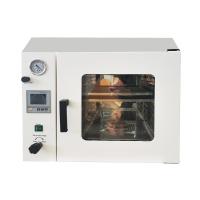
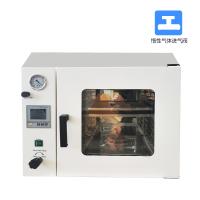
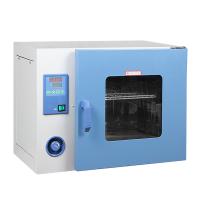
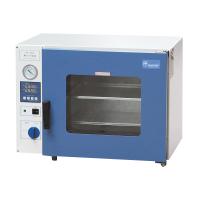
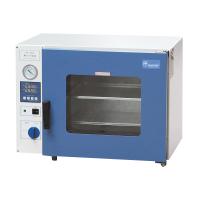
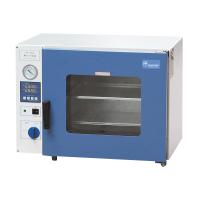
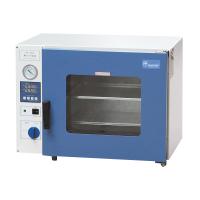
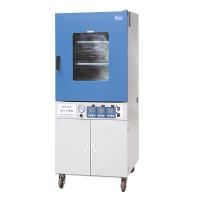
Vacuum Drying Ovens, also known as vacuum dryers or vacuum ovens, are used to perform drying operations that typically include removing moisture from materials. In the medical industry, vacuum drying is used to speed up the process of removing moisture from thicker latex catheters. In the food industry, turning waste food into fertilizer is a valuable technology. In the electronics industry, special heating processes are used to dry electronic chips. Meanwhile, in the automotive industry, vacuum evaporators are used for oil separation during cleaning or cleaning.
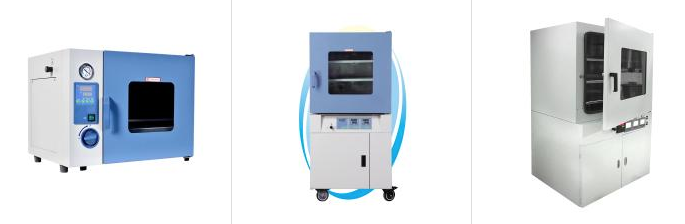
Working principle of vacuum Drying Oven
The working principle behind the operation of a vacuum Drying Oven involves reducing the boiling point of the liquid in the substance by reducing the ambient pressure significantly by using a Vacuum Pump. A significant reduction in the boiling point increases the rate of evaporation of the liquid and therefore the rate of drying of the substance. Also, the reduced boiling point indicates that operating temperatures can be much lower compared to conventional Air Ovens. Thus, heat-sensitive substances can be dried with minimal impact on their physical or chemical properties. Additionally, the absence of air (or oxygen) during drying significantly reduces the chances of the substance oxidizing.
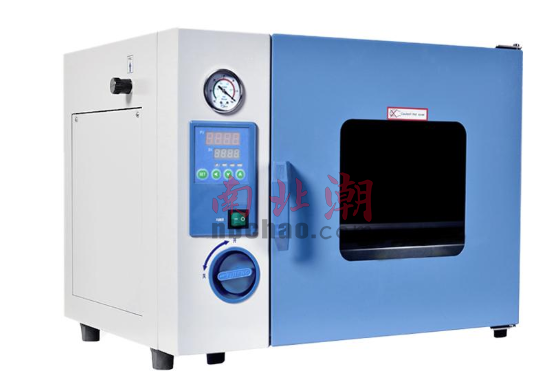
Application of vacuum Drying Oven
Vacuum Drying Ovens are used in many areas of science and industry to dry heat sensitive materials quickly and efficiently.
Traditional drying processes can damage heat-sensitive materials such as food, pharmaceuticals, chemicals or electronic components, or alter their product properties. Performing the drying process in a vacuum drying chamber minimizes this risk. Vacuum drying is one of the effective, gentle drying methods available. The purpose of this method is to gently dry advanced products containing water or solvents without harming the material. Drying in a vacuum oven is especially recommended for compounds containing flammable solvents. Especially due to the oxygen in the air, these compounds often form an explosive atmosphere during the drying process. This can be prevented when drying in a vacuum drying chamber. Vacuum drying is also better for reducing the risk of Graduation or oxidation residues.
During vacuum drying, the material to be dried is subjected to a reduced pressure environment, which lowers the boiling point and facilitates the evaporation or capillary transport of water. Targeted controlled supply of heat and pressure optimizes the drying process. Another positive effect is lower energy costs, since the vacuum makes it possible to dry the material at very low temperatures.