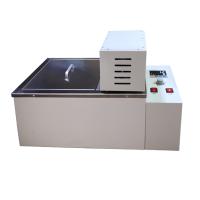
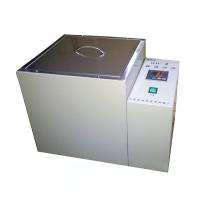
Handling hot or hot oil can be dangerous for a number of reasons. Here are some of the main dangers associated with using Oil Baths:
There is a fire hazard when handling hot oil. The importance of knowing the safe operating temperature of an oil cannot be overemphasized.
Overheating of the sample can lead to release of toxic fumes or even explosion.
Hot oil can severely burn your skin or eyes. Even a small splash can cause damage.
Flasks submerged in oil can be slippery and prone to dropping and breaking.
In this article, we discuss some tips to help you mitigate the risks of using an Oil Bath. Note that the following suggestions assume you are using a high temperature bath designed specifically to heat oil to high temperatures. Another option is to use a container with a Heating Plate that holds the oil. Many of the same recommendations can be followed when using a Hot Plate, but this approach carries additional risks, such as the formation of hot spots and the risk of fire if the container holding the oil breaks or ruptures. From a safety point of view, it is best to use specially designed hot tubs when possible.
Tips for Using Oil Baths Safely
In addition to wearing proper personal protective equipment, here are some tips for staying safe while using Oil Baths:
1. Do not let the oil overheat
2. Use safe settings
3. Be careful when applying
4. Avoid leaving unattended
5. Store oil correctly
Let's look at these in more detail:
1. Do not overheat the oil
The oil's safe operating temperature needs to be known and the bath should always be set at a temperature below the oil's flash point. Watch out for fumes, as this usually means the oil has been heated beyond its safe operating temperature range and can easily catch fire. Smoking oil must not be reused and should be disposed of. If you notice that your oil is dark brown in color, it may be overheated and should be disposed of.
Likewise, you should be careful not to heat the sample higher than safe. If certain mixtures were overheated in a water or Oil Bath, the result could be the release of toxic fumes or even an explosion.
2. Use secure settings whenever possible
Make sure your bathroom is on a flat, stable surface. For example, it is not a good idea to use an Oil Bath on a movable cart, as accidental movement could cause the hot oil to spill or splatter. When setting up the equipment, consideration should be given to the ease with which the container can be removed from the bath in the event of overheating.
Also remember: don't overfill the oil tank, lest it overflow after the ship sinks. Note that oil expands when heated, so that should be taken into account as well.
If you are deciding whether to use a fume hood, consider that in the event of a fire, a fume hood can help contain the fire, reducing the risk of injury and damage. When a fire broke out in Berkeley University's overheated hotplate Oil Bath, a fume hood helped keep the situation from getting worse.
Some bathtubs have optional safety accessories that you can purchase. For example, IKA makes a shield and protective cover for the HB 10 heating bath. The protective cover prevents liquid splashing and can be used in a fume hood. If you can't work in the range hood, a larger guard is a better choice.
Safety shields and shields.
If you're taking a shower and want a safe option, choose a fully enclosed model (if your application allows it). For example, most circulators have a hermetic design.
3. Be careful when experimenting
As you experiment, keep the following points in mind:
Make sure you have proper spill cleanup materials on hand, such as granular clay absorbent, in case a problem occurs.
Make sure you don't leak water or other substances into the tub. Water, in particular, can cause splashes and "pops."
Be careful when handling glassware submerged in oil as it can be slippery. Wipe off the oil with an absorbent towel, and consider holding the container with tongs.
4. Avoid leaving unattended
Avoid leaving Oil Baths unattended if possible. If you do need to leave, the set temperature should be well below the flash point of the oil. Some bathtubs have safety features to help avoid the risk of overheating.
5. Store oil properly
Always store Oil Baths away from all sources of heat. If it has a cover, use it for storage (most of our hot tubs have covers). If not, cover the bath with aluminum foil when not in use (if you're going to keep oil in it).