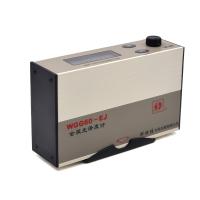
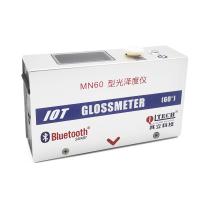
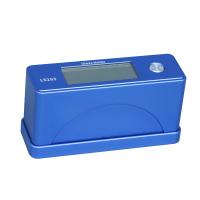
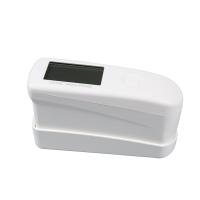
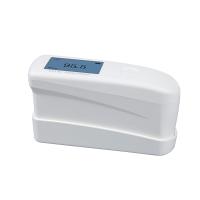
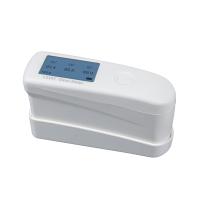
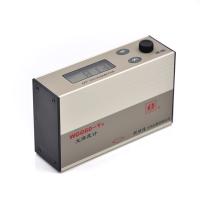
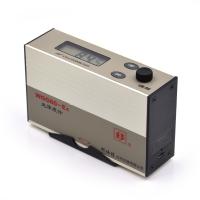
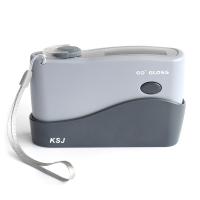
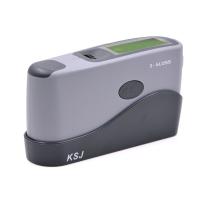
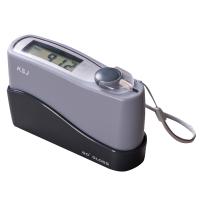
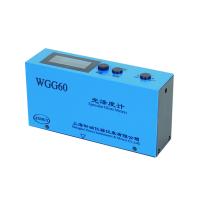
There are many different geometries for gloss measurement, each depending on the type of surface being measured. For non-metals (paints, plastics), the amount of reflected light increases with the angle of illumination because some light penetrates the surface and is absorbed or diffused from the surface, depending on its color. Metals are more reflective and therefore less dependent on angle. The technical standards for the gloss meter industry, ISO 2813 and ASTM D526 (commonly used standards) describe three measurement angles to measure the gloss of all surfaces.
60* is known as the universal measurement angle. Its measurement range covers 10-70GU, called semi-gloss.
The angle chosen for high gloss applications is 20*. Measuring range > 70GU.
85* for low/matte surfaces. Measuring range <10GU.
There are a number of international technical standards which define the usage and specifications of different types of gloss meters (gloss meters) for use on various types of materials including paints, ceramics, paper, metals and plastics. Many industries use gloss meters (Glossmeter) in their quality control to measure the gloss of products to ensure consistency in the manufacturing process.