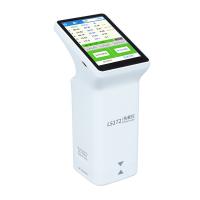
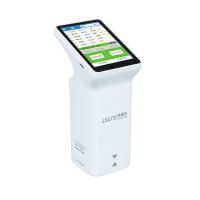
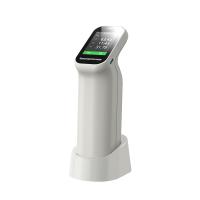
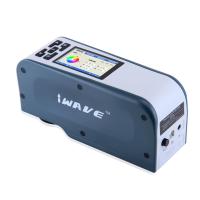
The color of the drug solution is an objective characterization of the internal quality of the drug, and the difference between it and the specified color can reflect the purity of the drug to a certain extent. Pharmacopoeias of various countries are used as an important inspection item for drug quality control. In the past, the color of the solution was generally compared with the standard colorimetric solution by artificial visual method, but it is difficult to judge the solution with the color close to the standard solution with the naked eye. Later, medicine used a more professional Colorimeter to control the detection. By accurately measuring the color difference between the drug solution, standard colorimetric solution and water, the color of the drug solution can be accurately and quantitatively compared and described, thereby controlling the quality of the drug.
The working principle of the Colorimeter is simply to simulate the visual system of the human eye. Using the analog integral optical system inside the instrument, the three-stimulus values of the spectral data are integrated to obtain the data expression of the color, thereby calculating the lightness index L* and Chromaticity index a*, b* value and color difference of contrast chromaticity. When using the instrument method to compare the color of the test product with its specified standard colorimetric solution, the parameters to be compared are the color of the blank control solution and the color of the test solution or its specified standard colorimetric solution in the uniform color space. difference. The use of instrumental methods to measure color can not only measure color and color difference accurately and quantitatively, but also is more scientific and objective than visual method, and does not change with time, place and personnel.