1. Glossiness of paper
Glossiness refers to the closeness of the specular reflection ability of the paper to the complete specular reflection ability, that is, the degree of reflection at a certain angle after the surface of the paper is irradiated by incident light. For printing paper, gloss is a very important parameter. The paper sold in the market can be divided into two categories: glossy paper and matte paper. The paper can be arranged into non-coated paper, light Measure coated paper, coated paper, coated paper and cast coated paper.
The factors that affect the glossiness of the paper are mainly the smoothness of the paper, whether it has been calendered, the degree of sizing of the paper, etc.
① Gloss measurement method.
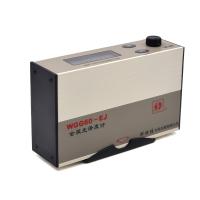
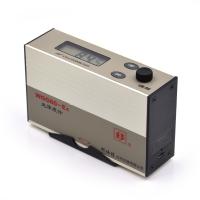
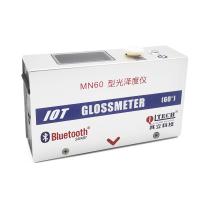
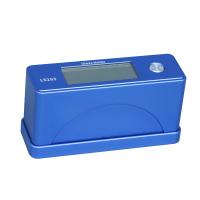
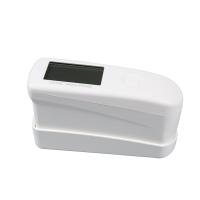
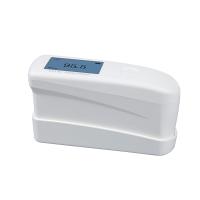
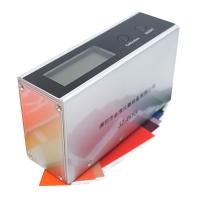
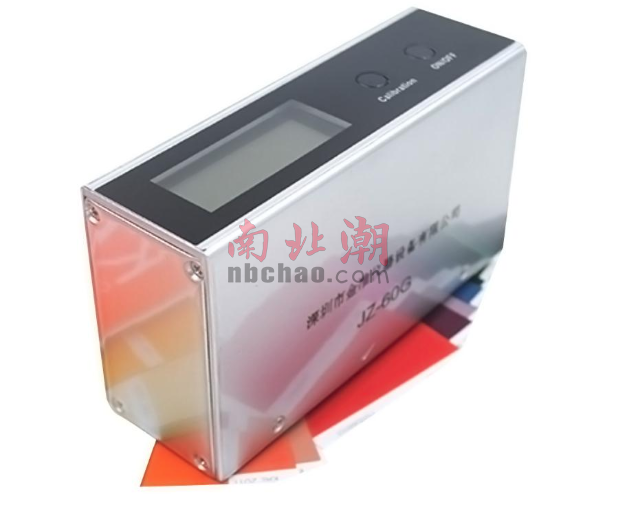
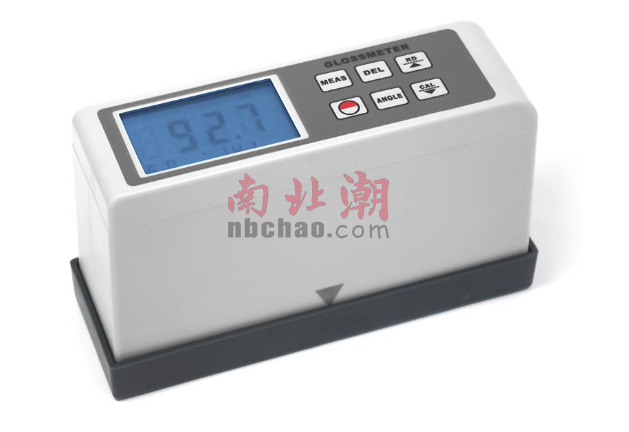
Gloss can be measured using a gloss meter, which compares the reflectance of the paper to an object of known reflectance. When measuring gloss, the selected light incidence angle is different, and the result is also different. The larger the angle of incidence, the larger the specular reflectance and the higher the glossiness, and vice versa. Therefore, the gloss meter can also be divided into different types according to the light incident angle, such as 25°, 45°, and 75° angle gloss meter. For most papers, 60° is a good measurement angle. The glossiness of paper can be measured with HYD-09 gloss meter and WGG-60 gloss meter produced by Shanghai Jiashi Electronic Technology Co., Ltd.
②The effect of gloss on the printing color.
The ink is dried and colored on the surface of the paper, and the continuity and uniformity of the dry conjunctiva must be affected by the surface state of the paper, resulting in different color effects. High gloss, under the same conditions, the color strength of the ink is high, but the color shift and gray scale are small, otherwise the color strength of the ink layer is low, and the color shift and gray scale are relatively high, which makes it difficult to control the gray balance of color overprinting. However, for printed matter and paper for writing, in order to avoid the impact of glare, strong light irritating the eyes, resulting in a decline in reading quality and making people feel tired, low-gloss paper is often used. In the commercial printing mainly of posters, high-gloss coated paper is still the mainstream.
2. Opacity
The opacity of paper is the ratio of the amount of light absorbed to the amount reflected when the paper is irradiated with light. Contrast ratio is usually used to describe the opacity of paper, which refers to the ratio of diffuse reflectance when a single sheet of paper is backed with a black body to the diffuse reflectance when it is backed with a white body, and most papers are transmissive.
The factors that affect the opacity of paper mainly include reflective ability, wavelength of measuring light, dye, paper weight, apparent density (tightness), filler, size, etc. For example, increasing the basis weight of paper can increase the opacity of the paper. The more obvious characteristics are: for paper with a basis weight of 30g/m2 to 100g/m2, the opacity is most affected by the basis weight. Increasing the basis weight will greatly increase the opacity, and the basis weight exceeds 105g. /m2 has limited opacity increase.
①Test method for paper opacity.
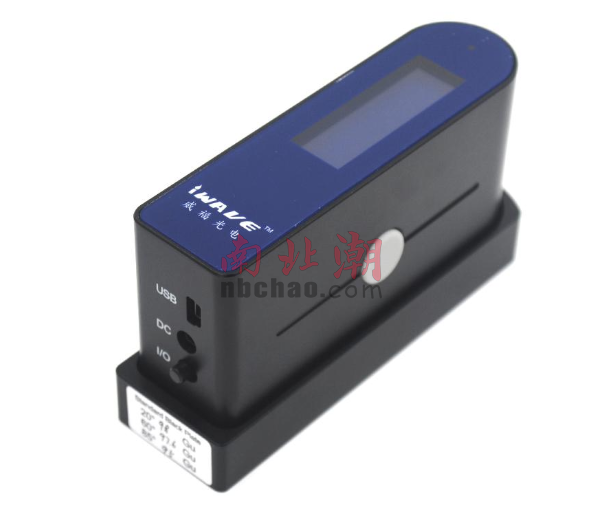
Use an opacity Tester to accurately measure the opacity of paper, or use an opacity measurement chart to roughly measure the opacity of paper, and use the visual method to compare the opacity of different papers. But when comparing the opacity of different papers visually and instrumentally, it is important to realize that the eye is more sensitive to small differences in the opacity of a paper when the opacity of a piece of paper is 100% or completely opaque, e.g. Discerning the difference between 93% and 94% opacity is more pronounced than the difference between 85% and 84% opacity.
②The effect of paper opacity on color rendering.
The lower the opacity, the more scattering interfaces between air and fibers, fillers, sizing materials, and coatings, which means that the greater the porosity of the paper, the stronger the light scattering ability of the paper, and the more prone to print-through during printing ; Conversely, the higher the opacity, the smaller the porosity of the paper, the less the scattering interface between air and fibers, fillers, sizing materials, and coatings, the harder it is for light to pass through the paper, and the harder it is for ink to penetrate into the paper. The possibility of printing strike through is also smaller. If there is a print-through phenomenon during the printing process, the front and back images of the printed matter will interfere with each other visually, causing the printed image to be chaotic and unclear, and the quality of the printed matter will seriously decline, ranging from defective products to waste products, resulting in major economic losses. .
To sum up, the optical characteristics of paper will affect the color rendering effect of printed matter, and the various properties of paper are related to each other. In some cases, they complement each other, and in other cases, they may conflict and offset each other. When printing, it is necessary to comprehensively consider the various properties of the paper and use it to select the appropriate paper in order to achieve a satisfactory printing effect.