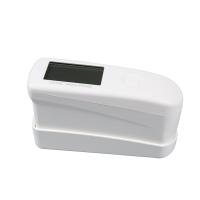
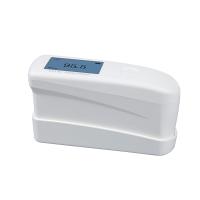
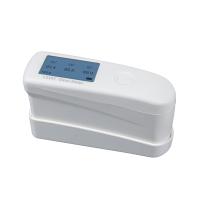
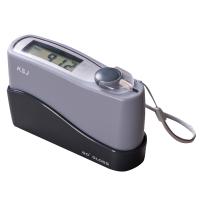
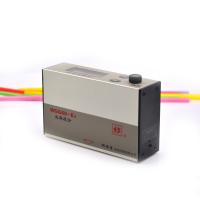
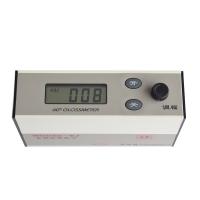
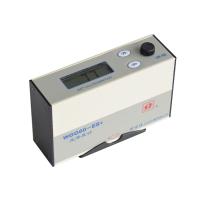
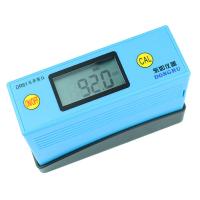
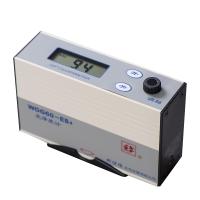
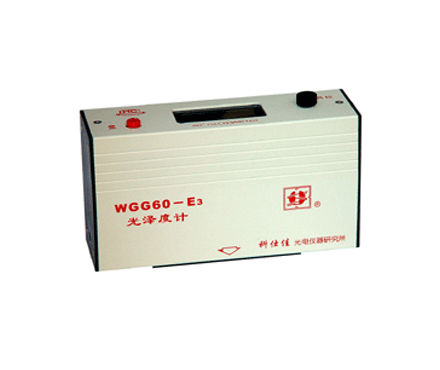
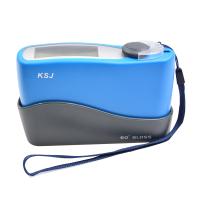
The appearance of a car is a very important quality performance, mainly the gloss of the car, and the gloss of the car is determined by the gloss of the surface spray paint, so what are the standard requirements for the gloss of the car paint? Although we all know to use a gloss meter to test, many users do not know the glossiness requirements of automotive paint. This article briefly introduces the concept of gloss and the national standard.
What does car paint gloss mean?
Gloss is an appearance attribute of the surface of an object, which refers to the ability of the surface of the object to reflect light.
Car paint is mainly to protect the car body from corrosion, and secondly, it can also increase the beauty of the car. It is a way of expression for most car owners to promote their individuality. The consistency of the glossiness of the paint on the surface of the car affects the aesthetics of the car.
The unit of paint gloss is degrees: bright ≥ 90 degrees, 50 degrees ≤ semi-matte ≤ 70 degrees, matte ≤ 30 degrees. It is often explained as a few points of light. Generally speaking, bright light is nine points of light, semi-matte is five or six points of light, and matte is three points of light.
The difference between glossy and matte formulations is that matte powder (also called matting powder) is added to the matte paint, which causes diffuse reflection on the surface of the paint, thereby achieving the effect of matting.
According to the glossiness of the paint, it can be divided into matte, semi-matte and bright. The matte gloss is below 20GU, the semi-matte gloss is between 20-40GU, and the bright gloss is above 40GU.
Glossy paint is generally not used outdoors, because the gloss of glossy paint is difficult to maintain, so it is generally used indoors, giving people a full, bright and full color experience. Matte paint is generally used outdoors, and matte paint is more wear-resistant and scratch-resistant than high-gloss paint.
Method for measuring glossiness of automobile paint:
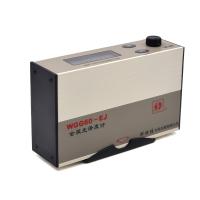
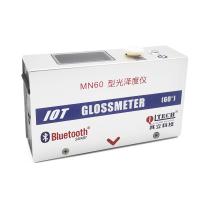
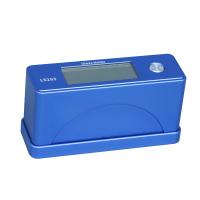
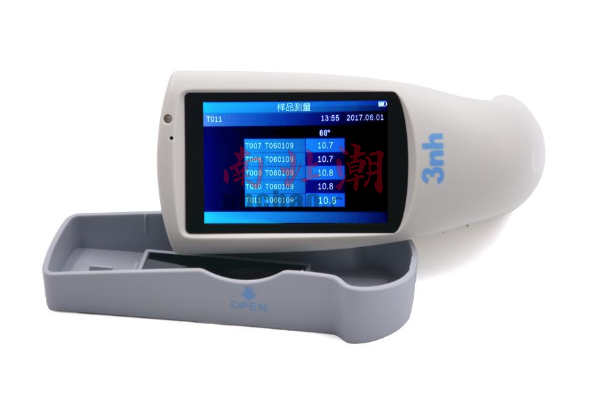
Use a gloss meter to measure the specular gloss of the coating at geometric angles of 20°, 60° and 85°. The 60° method is suitable for coatings in all gloss ranges, but for coatings with high gloss or near dull coatings The 20° method or the 85° method is more suitable. The 20° method can improve the identification ability for high-gloss coatings, and is suitable for coatings with a 60° gloss higher than 70 units; the 85° method can improve low-gloss coatings. Discrimination ability, for coatings with 60° gloss less than 30 units.
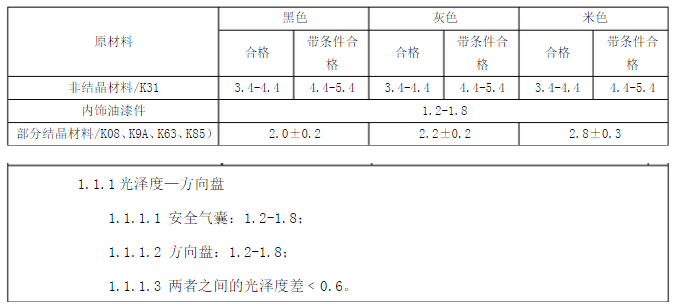
Automotive paint glossiness specifications:
Here we bring you the automotive interior glossiness standard and the steering wheel glossiness standard. As shown below: