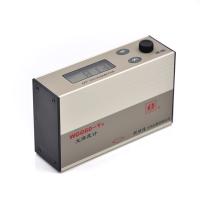
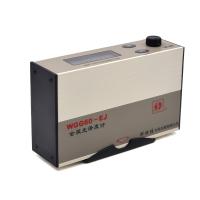
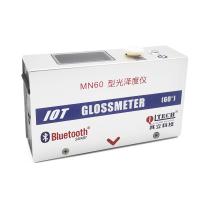
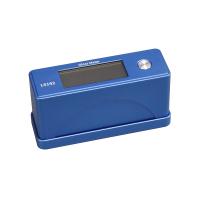
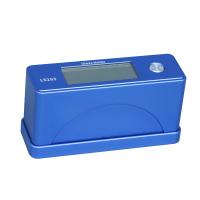
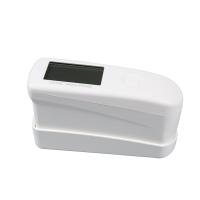
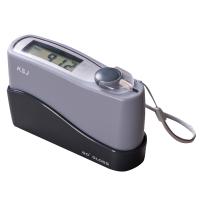
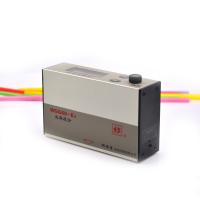
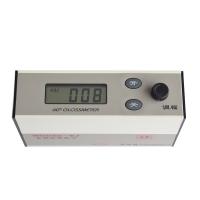
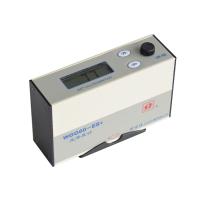
How to see the gloss value? What is the meaning? For the glossiness of the surface of the object, many friends do not understand it very well. When the customer asks to test the glossiness, they have no idea about the value of the glossiness detected by the instrument. This article briefly introduces the glossiness and the measured value of the specular gloss meter. meaning.

What is gloss and how is it measured? Gloss is a characteristic of the surface of an object. We often say that the surface gloss of an object refers to the ability of the specular surface of the object to reflect light. This is a relative measure of the ability of an object to specularly reflect light under a set of specified geometric angles. Everyone should have learned about specular reflection in physics textbooks. If the surface of an object is smooth enough, when a beam of parallel light hits a flat mirror, it will still be reflected parallel to one direction. This reflection method is called specular reflection. In real life, the surface of metal, porcelain, mirror, etc. is very smooth, and its mirror surface has a strong ability to reflect light. For the measurement method of gloss, the commonly used method is to use a gloss meter to detect, and the gloss meter used here is also called a specular gloss meter. It is composed of incident light emitters, receivers, standard plates and other structures. The measured gloss is referred to black glass with a refractive index np=1.567. Perform specular reflection, and define the glossiness value at this time to be 100.0 gloss units. Then under the same conditions, divide the reflected luminous flux on the surface of the object by the reflected luminous flux of the standard plate, so as to obtain the relative value of the surface gloss of the object.
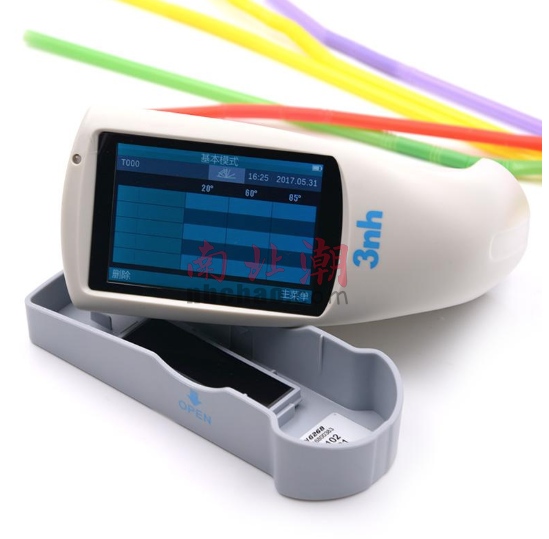
The meaning of the gloss value: When we understand the measurement method of the gloss, and then look at the meaning of the gloss value, it is not difficult to find that this is a dimensionless measurement based on the standard plate. To be precise, it is When an object is irradiated by light, the ratio of the reflectivity of the surface to light to the reflectivity of the standard surface, the formula is G=100R/R, where G is the abbreviation of gloss (gloss), and R refers to the reflectivity of the surface of the object respectively and the glossy reflectance of the standard plate surface. The standard plate here is defined as 100, so multiply by 100. The surface gloss value of an object is generally represented by GU, which is the abbreviation of English gloss unit and translated as gloss unit. For example: if there is no unit for mass (no such thing as kilograms), we can call a certain mass the unit of mass, and the unit of mass is: mass unit. The unit of glossiness, according to the regulations of JIS, the unit of glossiness is % or number.
How to understand the value of the gloss standard plate? The measurement of gloss is largely related to the value of the standard plate. The black glass with a refractive index of 1.567 in the satisfactory state is defined as 100.0GU in gloss, but the actual equipment cannot achieve such accuracy in the production process. The standard plate of each instrument has a certain difference in refractive index. So we calibrate the gloss meter at will before using the gloss meter. The value of the standard plate used for calibration here will be clearly marked. For example, for a gloss meter calibration plate, the gloss measured at 20° should be 95.7, the gloss measured at 60° should be 97.3, and the gloss measured at 85° should be 99.7. When calibrating the instrument, only when all three angles are tested can it be considered that the gloss meter is calibrated successfully. Otherwise, analyze the cause of the failure of the gloss meter and re-calibrate.
The larger the gloss value, the brighter the surface? Generally speaking, under the same measurement conditions, this sentence is correct, but under different measurement angles, there will be deviations in the measured gloss. For example, the gloss meter calibration plate above, on the same surface, the greater the incident angle, the greater the measured gloss value. Therefore, the gloss values can only be compared with each other under the same condition of the same gloss meter. If the measuring instrument and the measurement angle are inconsistent, the measured gloss values cannot be compared with each other. Therefore, when the user needs to test the gloss of the product, it is necessary to select the same gloss meter and measure according to the specified angle.