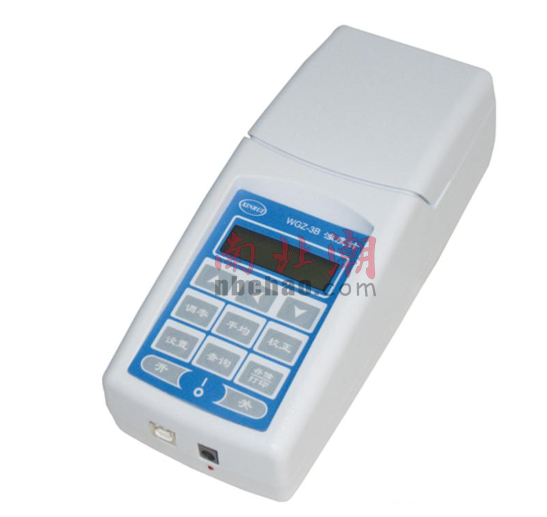
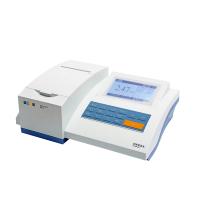
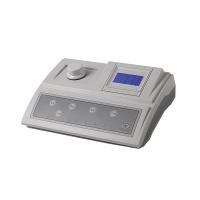
Using a turbidimeter to check turbidity in treatment plant or field water? Here are some tips to ensure your meter is being used well and getting accurate results.
Prepare the Turbidity Meter following the manufacturer's instructions.
Turbidity should be determined as soon as possible after sample collection to ensure that the examination is under original conditions.
Wear gloves when taking measurements in the field or in the laboratory. This prevents fingerprints or other smudges from landing on the surface of the vial and producing inaccurate readings. Again, make sure the vials are clean (not scratched or dirty) and have protective sleeves.
Remember that vibrations can produce inaccurate readings. Measurements are taken on a horizontal, stationary surface unaffected by motor or mechanical motion.
Gently agitate the samples to ensure representative measurements.
If storage is required, cool to 4 °C to minimize microbial breakdown of solids.
Keep the cell interior and exterior scrupulously clean, and discard it if scratched or etched. Never use them near the instrument's beam.
Fill the sample cell with samples and standards - allow enough time for air bubbles to escape. Use paired cell pairs or the same cell for normalization and sample measurements since small differences between sample cells can significantly affect measurements.
Nephelometers should be calibrated using appropriate calibration standards within each measurement range.
See turbidity information located on the Environmental Protection Agency (EPA) website.