What causes cloudy water?
Turbidity in water is caused by suspended and colloidal matter such as clay, silt, finely divided organic and inorganic matter, and plankton and other microscopic organisms.
What is important when testing for turbidity?
A glass of drinking water will hopefully clear that up. This is because U.S. government regulations determine acceptable levels of turbidity (or the amount of suspended particulates) in water. Untreated stream water that contains clay, plankton, or organic compounds may appear dark brown in color. Aside from being an unpleasant appetizer, this high turbidity is probably not safe.
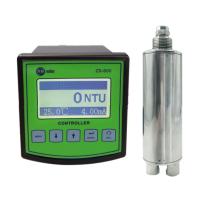
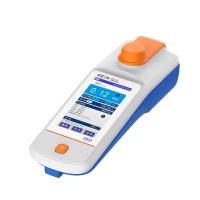
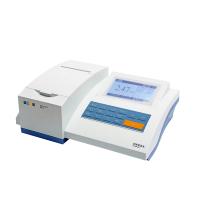
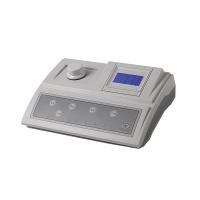
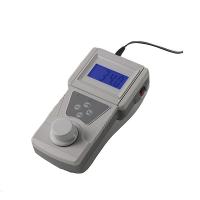
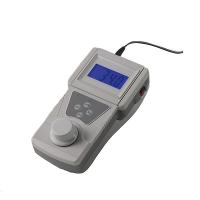
Water clarity is expressed in turbidity levels (NTU or turbidity in turbidity units) and is measured with a nephelometer. In addition to water for drinking and other beverage production, turbidity helps determine water quality for fish and aquatic life. High turbidity will affect the cost of water treatment, which in turn affects the production of food processing, pharmaceutical and other industries.
Three Tips for Measuring Turbidity
Turbidity should be determined as soon as possible after sample collection to ensure that the examination is under original conditions.
1. Gently agitate the sample to ensure representative measurement results. If storage is required, cool to 4 °C to minimize microbial breakdown of solids.
2. Keep the inside and outside of the cell strictly clean, and discard it if scratched or etched. Never use them near the instrument's beam.
3. Fill the sample cell with sample and standard - allow enough time for air bubbles to escape. Use paired cell pairs or the same cell for normalization and sample measurements since small differences between sample cells can significantly affect measurements.