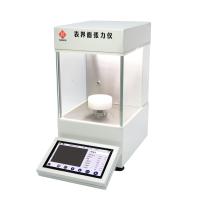
One way to describe the surface tension of a fluid is: the liquid surface property of resistance. It blocks foreign objects and keeps fluids together. This ever-present property is caused by unbalanced forces on the surface molecules that pull towards the bulk of the liquid.
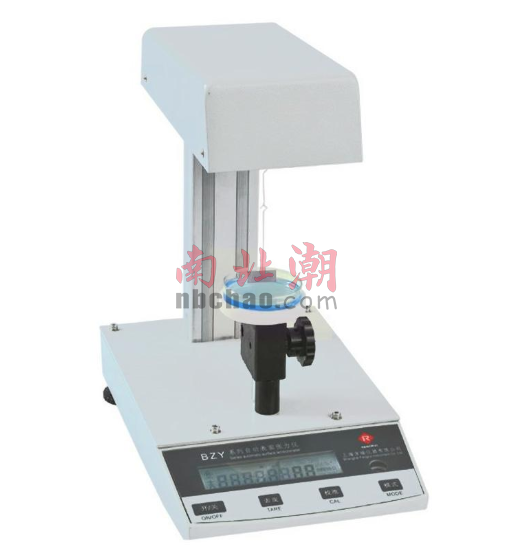
What are the main conditions affecting surface tension?
The surface tension properties of fluid substances remain essentially constant, surface tension CSC but can be altered by changes in temperature, chemicals that change the bonding properties of molecules, oxidation and the presence of impurities. Let us consider the effect of these four conditions on surface tension:
1. Temperature
As the temperature decreases, the surface tension increases. Conversely, as surface tension decreases, strength decreases. As the temperature increases, the molecules become more reactive by becoming zero at the boiling point and disappearing at the critical temperature.
2. Chemical additives
Chemicals and Surface Tension Adding chemicals to a liquid changes its surface tension properties. The effect of adding an unrelated chemical to a substance that changes its surface tension, which can make your hands dirtier, is demonstrated by the example of putting soap (a surfactant) in water to lower surface tension. Easy with water.
3. Oxidation
Oxidation directly affects surface tension. As the surface tension increases, the intermolecular forces increase. Atmospheric oxygen is known to lower the surface tension of various substances. Presence of Impurities The presence of impurities on the surface of a substance or dissolved in it directly affects the surface tension of a liquid. For example, when highly soluble impurities are added to water, the surface tension of the water will increase.
4. Surfactant
Now that we have considered the effects of temperature changes, chemical additions, oxidation, and the presence of impurities on surface tension, we should next consider how surfactants change over time and how we can observe and measure this effect.