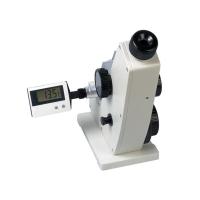
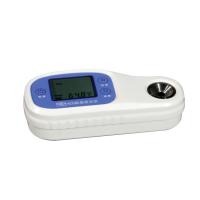
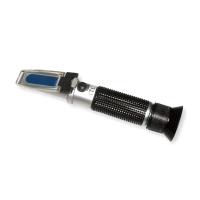
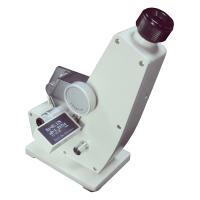
Refractometers are great devices for measuring salinity and specific gravity in both saltwater and reef aquariums, as long as they are properly calibrated. I usually calibrate the refractometer every two uses. We will walk through how to calibrate your refractometer step by step. Your situation is probably very similar, but it's better to check your manufacturing process to make sure every step is correct for your refractometer.
We first used the Aquatic Professional's Cumulative, calibrated at 77 degrees Celsius, 35 parts per thousand salinity, and a specific gravity of 1.0264. Now I mentioned that the temperature is 77 degrees, you don't have to worry about the tank being 77 degrees or the room being 77 degrees, all you need to make sure is that the refractometer and the test solution are at the same temperature. In this case, they are all room temperature. You'll notice that this refractometer comes with ATC, which stands for Automatic Temperature Compensation, which means it will automatically adjust the temperature and give you the correct reading every time you use it.
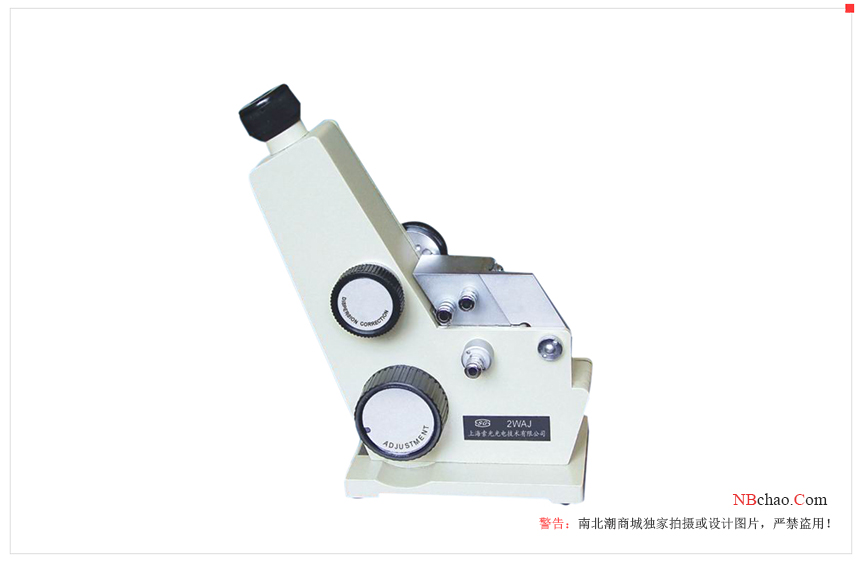
First, rinse the refractometer to remove salt crystals, dust, etc. It is better to use distilled water when rinsing. Alternatively, you can use R/O DI water. If not available, use R/O water. Better yet use the purest water you can get. I'm going to open the lens and flush the prism. You can do this by dripping distilled water onto the lenses. You just need to make sure you wash it and the coverslip well to make sure no salt remains. Once it feels clean, we dry it with a clean soft cloth. When the refractometer is dry we can calibrate it.
Next, shake the calibration solution bottle. The accumulator has a built-in dropper, place 3 to 4 drops onto the refractometer, then close the refractometer cover. Make sure the entire surface of the prism is covered. If there are air bubbles, gaps or voids, open it and add another drop to make sure there are no voids when reading.
Look through the eyepiece and adjust the lens until you can see clearly. You'll see a scale to the left of the scale where we'll see the specific gravity, in this case we're calibrating for 1.026-1.0264. On the right side of the scale we will see the salinity which is 35 parts out of 1000 to shoot. Note the blue part at the top and the transparent part at the bottom. The very bottom of the blue border is what we're going to read. Right now, I'm reading about 35 parts per 1000 salinity. I removed the rubber cover on top of the refractometer, turned it a little with a screwdriver, and checked again to see if it said 35 per 1000. If it doesn't say 35 servings per 1000, keep tweaking until it does.
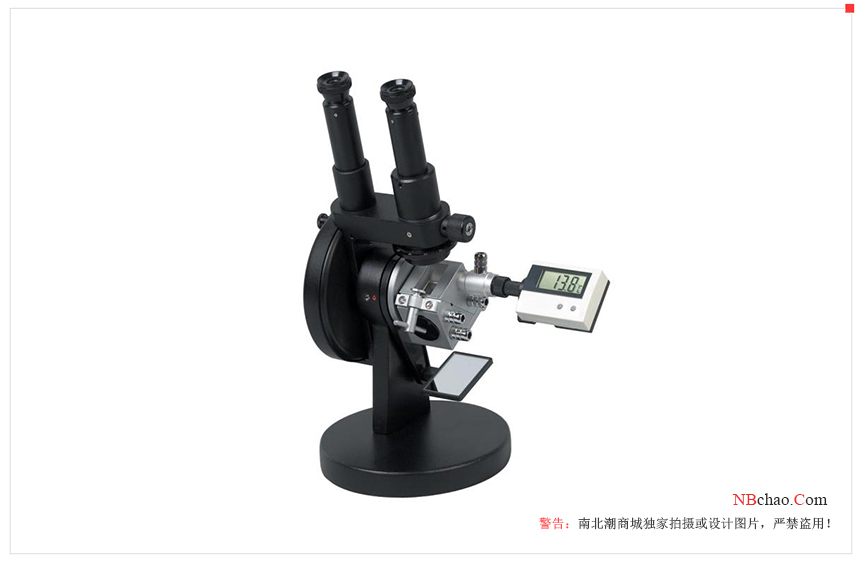
After calibration, cover the calibration screw with a rubber cap. Clean the prisms with distilled water. Remove a little salt water from the aquarium and let it sit for a few minutes so that the water and the refractor are at the same temperature. Apply a few drops of saline to the prism, making sure the surface is completely covered. Hold the refractometer up to the light. Adjust the end of the refractometer so that the scale can be seen. Our example reads a specific gravity of 1.023. This is a fish tank so I want to keep the salinity low. (If it's a reef tank, and it should be between 1.026 and 1.027 - in this case we'll be creating higher salinity in the return water to increase the salinity of the aquarium.)
For our purposes, I want the tank level to be 1.023, so I'm good to go. Some aquarists like to keep the tank water level lower around 1.020 because they believe that parasites are less prevalent in lower salinities. In this case, simply remove some water from the aquarium and add some fresh R/O Di water to reduce salinity. Rinse the refractometer with distilled water one final time to ensure it is clean and ready for next use. Please recalibrate after several uses. Put this refractometer back in the case and you're done.