White holds a special place in the textile industry and is considered the gold standard for production in hospitality and healthcare environments. The tradition of white hospital and hotel bedding, restaurant tablecloths, and lab coats is rooted in the same color psychology that makes wedding dresses, communion dresses, and unicorns white: white is a symbol of visual purity, cleanliness, and freshness.
As Andre Picard writes in a fascinating essay on the history of the white lab coat, "White is the color of hope, and the lab coat symbolizes the healer." Meanwhile, Hotel patrons know that nothing reassures you about a business's commitment to cleanliness and gives you that special hotel feel like crisp white sheets. It is psychologically important for guests to have a clear idea of how clean their room and bed are. The impact of this cannot be underestimated as it affects every other aspect of the customer experience from then on.
But the use of white linen in the hospitality and healthcare industries is as much a matter of practicality as it is of emotion. Sticking to white allows all textiles to be washed together, saving valuable sorting time. In addition, white textiles are more resistant to many professional cleaning solutions than colored fabrics, allowing for hygiene and visual freshness.
However, all white people are not created equal. Even a slight change in color can have a profound effect on the cleanliness of your sheets, towels or lab coat. Therefore, textile manufacturers need to pay special attention to monitoring the color of white textiles to ensure a pleasing aesthetic appearance.
Measuring the Color of White Textiles
The whiteness of a fabric is the product of three components:
Base White : Base White is the whiteness of the original fabric. This white has a yellowish tinge because the cotton fabric absorbs some of the blue light, preventing it from appearing as pure white.
Tinted White : Fabrics can be tinted using methods such as bluing treatments to compensate for the yellowing of the base fabric and produce a brighter white.
Fluorescent White : Optical brighteners that increase blue reflectance are used to remove greater yellowing.
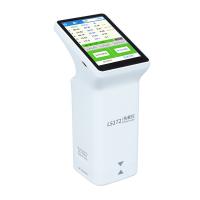
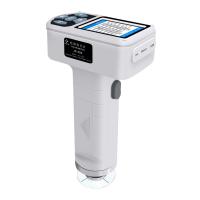
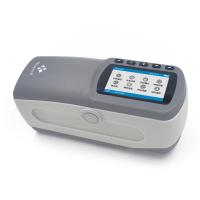
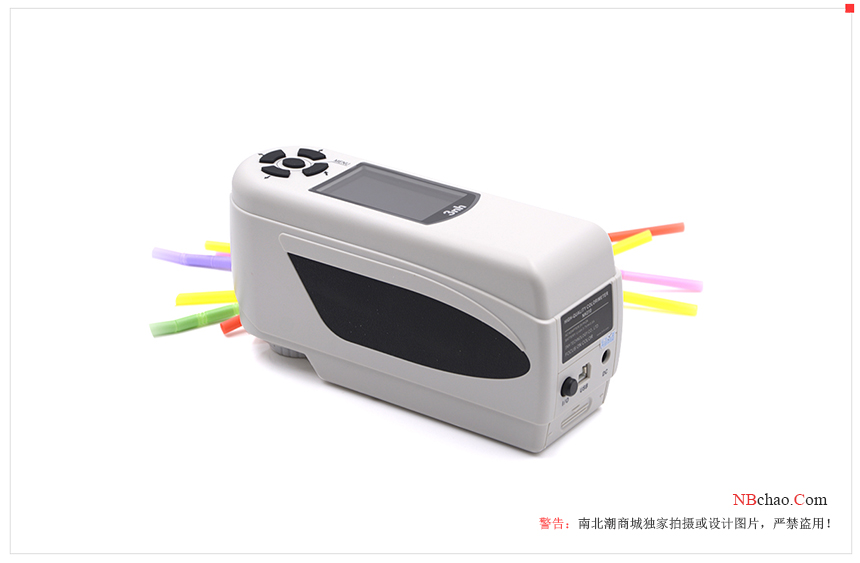
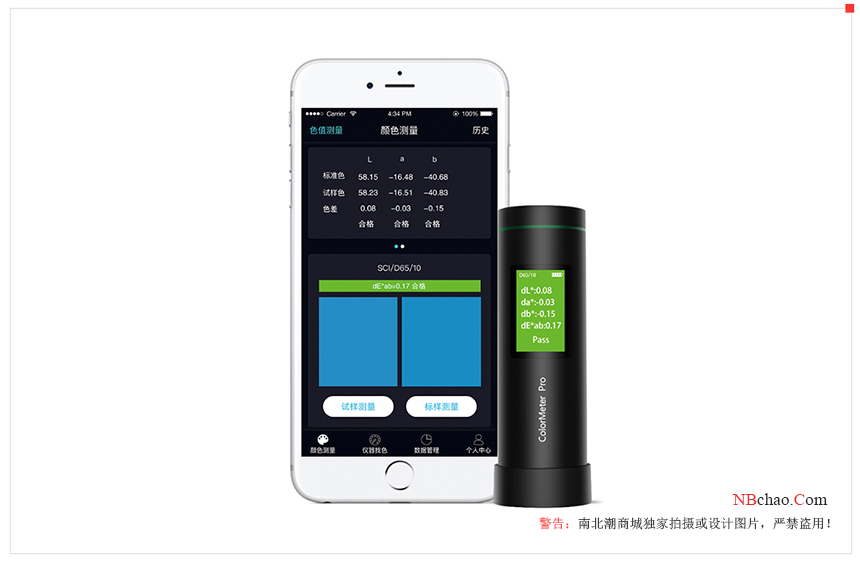
To the human eye, these three components mix together to produce a single white color. However, the human eye is an inherently unreliable and impractical tool for assessing color, especially white textiles, which are exceptionally susceptible to lighting effects. Spectrophotometers, on the other hand, provide fast, objective and repeatable color measurements with remarkable accuracy and are considered an essential part of color quality control in the textile industry. Pairing a Spectrophotometer with specialized software makes it easy to obtain whiteness index values to assess whiteness and ensure white textiles meet your chosen color standard.
Overcoming Color Measurement Challenges
While spectrophotometric colorimetry is critical to obtaining reliable color data, it cannot be overstated, but choosing a white Spectrophotometer , those using white textile colorimetry needs to be particularly picky, as fluorescent components can present challenges for some instruments. As the Flax Management Association writes:
If the whiteness index of a fluorescent sample is measured without the use of a [UV] filter, the resulting whiteness index value will consist of reflected light and fluoresced light. The resulting value will provide an indication of the effectiveness of the FWA, but will also be affected by the amount of UV in the light source of the instrument itself.
At the same time, filtering out the effect of optical brighteners, “increases the likelihood that the instrumental evaluation of the test piece will not agree with [the observer’s] visual judgment.” As the use of optical brighteners grows exponentially to meet hotel and With the healthcare industry's demand for ultra-clear textiles, these color assessment difficulties have become increasingly important and need to be addressed to ensure accurate measurements.