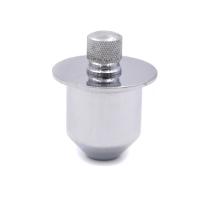
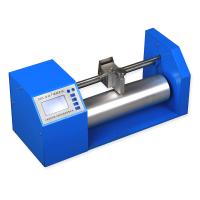
①Natural drying
Also known as air drying, it means that the paint film can be dried at room temperature. The drying conditions are 15-35 °C, and the relative humidity is not more than 75%, including solvent volatile coatings, oxidative polymerization coatings, room temperature curing coatings, latex paints, etc. During indoor construction, ventilation should be strengthened to accelerate solvent volatilization, about 6-10 times/h. The outdoor wind speed should be below grade 3 (3.4~~5.5m/s). When working in the open air in winter, the phenomenon of slow drying of the paint film often occurs. When working in the open air, do not leave the wet paint film on the surface overnight to prevent moisture from invading the paint film.
Air-drying paint, suitable for architectural paint and engineering maintenance paint, such as car repair, ship, bridge, port building paint, etc. It can also be used for objects that are not suitable for baking such as paper, leather, plastic, etc.
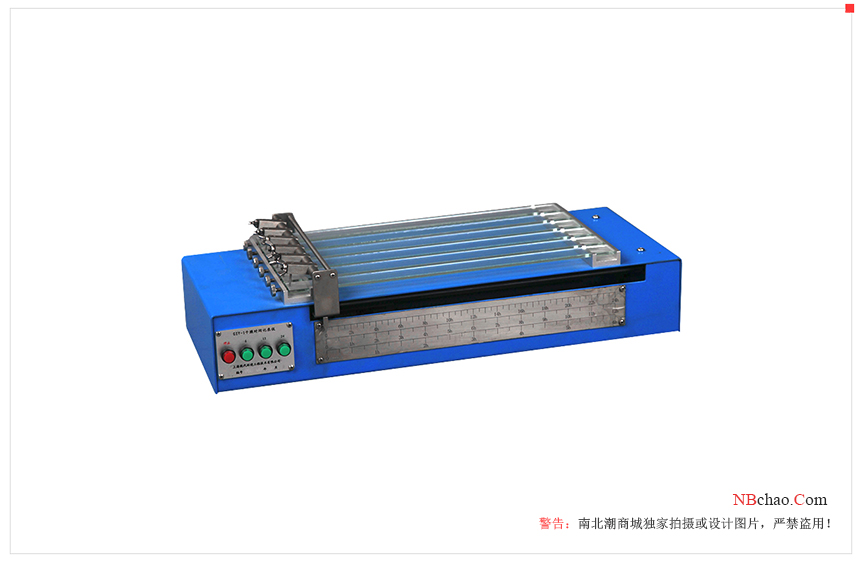
② Accelerated drying
In industrial painting, in order to shorten the paint construction period and speed up production, the self-drying paint is often accelerated drying at a certain temperature (generally 50-80°C). For example: it takes 24 hours for alkyd enamel to dry completely at room temperature, but it only takes 3~4 hours at 70~80℃. Accelerated drying paint driers can be used in less amounts. Due to the effective curing of the accelerated drying paint film , the coating is better than natural drying in terms of mechanical properties such as hardness and adhesion. Self-drying paints such as phenolic enamel, ester glue enamel and alkyd paint can all use accelerated drying methods.
③Baking and drying
This is a method often used in industrial finishing, because many high-quality coatings cannot be dried , but need to be cured by baking. For example, amino alkyd paint, asphalt baking paint, silicone heat-resistant paint, etc. all need to be cured at a certain temperature (generally 120-130°C). Baking-dried coatings are much better than naturally-dried coatings in terms of hardness, adhesion, durability , oil resistance, water resistance, and chemical resistance.
When formulating the drying specification, it is necessary to consider that the temperature of the object to be dried with a large heat capacity rises slowly. Generally, the drying time should be calculated from the time when the object to be dried rises to the predetermined temperature. The color of the paint is different, and the drying conditions are also different. The drying temperature of the dark color is high and the drying time is short, while the drying temperature of the light color is low and the drying time is long. There should be sufficient drying time before drying to allow the solvent to evaporate (especially the putty layer).
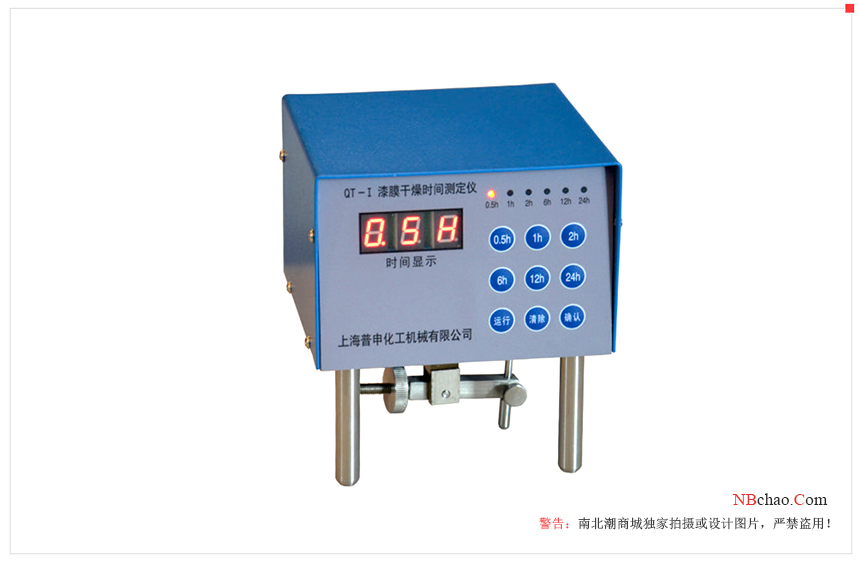
④ Radiation drying
Using ultraviolet rays or electrons to carry out rapid initiation and polymerization, the hardening speed is very fast, and ultraviolet curing is widely used in the curing of coating films on wood, plastic, paper, leather and other flat surfaces. The energy of inductive drying is directly added to the metal workpiece, so the resin film is heated and dried from the inside to the outside, the solvent can be quickly and effectively released and the coating film is cured, and the bonding strength is very high. get better application. Microwave drying is a specific material molecule vibrating under the action of microwave (1mm~1m) to obtain energy and produce thermal effect. Microwave drying is limited to the coating film on the surface of non-metallic substrates, which is just the opposite of high-frequency heating. The investment in microwave drying equipment is large, but the drying is uniform and fast, and the drying time is only 1/100 to 1/10 of the conventional method.