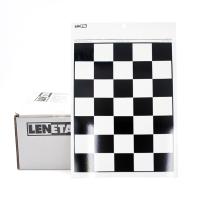
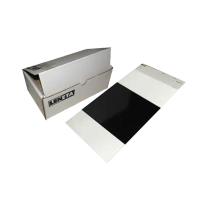
Galdeauer will describe a method for determining the hiding power using linoleum painted as a chessboard (white and black squares). The principle of this method is to determine the weight of paint consumed to completely cover the surface.
When checking this method, it was found that the unevenness of the surface of the linoleum and the inability to completely fill the pores on the surface of the linoleum were the causes of possible errors; moreover, after a few measurements, the upper layer of the linoleum was worn out . Another reason for possible errors is that the paint layer painted with a brush cannot be smoothed with a flat brush to remove the stripes on it.
The absolute value obtained when using the "chessboard" method to test the covering power of the pigment is much higher than the value obtained by other methods.
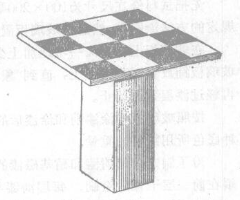
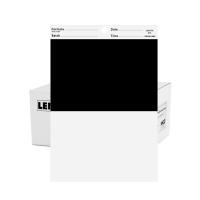
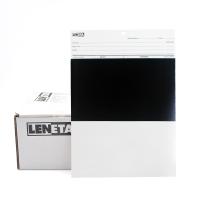
Figure 1 The "chessboard" used to measure the hiding power
The experimental methods can be summarized as follows. Divide a piece of white construction paper measuring 200 x 200 mm into 16 small squares; eight of the squares distributed on the chess board are painted black with black ink. When the ink dries, the paper is glued to the cardboard which in turn is glued to the plywood measuring 200 x 200mm. The side of the board is filled with scratch paint putty, and oil-based paint is applied after the putty has dried.
On the surface of the "chessboard" prepared by the above method, use a paint sprayer to spray three layers of transparent nitro paint. For the convenience of work, nail the chessboard on a wooden pier with several pointed nails on it, and the length of the nails protruding outward should not be greater than half of the thickness of the plywood.
After diluting the ground paint to the construction consistency, use a brown brush to paint on each square, and then spread it on the entire board to form a uniform paint layer. The unevenness formed can be smoothed with an easy brush, and then observe whether the background color of the board is revealed. If the square (square grid) can be seen through the paint layer, then the "chessboard" must be painted by the above method. The experiment was terminated when the squares (squares) of the "chessboard" were no longer visible through the paint layer.
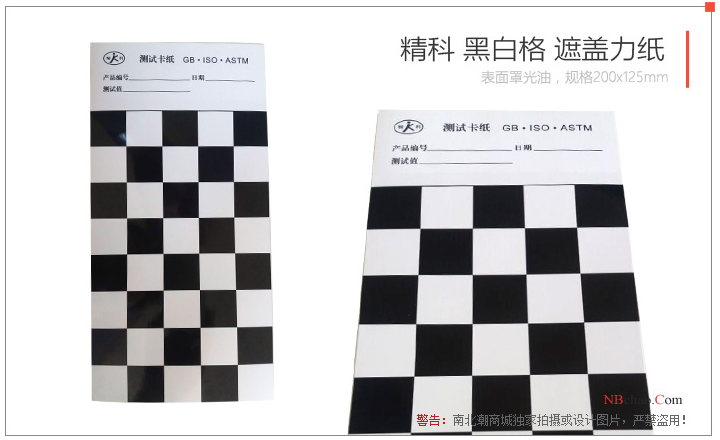
Before and after the experiment, industrial balances must be used to weigh the glass cups, hair brushes and crystal brushes containing the paint, and measure the weight of paint consumed to cover the surface of the "chessboard". Hiding power is expressed by the weight of paint consumed to cover 1 meter of surface according to the formula.
The hiding power of pigments, oil-based paints and enamels can also be determined according to the following method (OCT10086-39, test method).
First apply the sample on a glass plate with a size of 100 x 200 mm (painting according to the method specified in the technical conditions), and then place the glass plate on the "chess board".
Add a small amount of color paint to the glass plate again and again and paint, each time laying the glass plate on the "chess board" until the black and white squares (squares) on the "chess board" are no longer painted layers are revealed.
According to the weight difference between the glass plate before painting and after painting, the weight of the sample used for coating the two background colors of "chessboard" is determined.
In order to determine the covering power of nitro varnishes and nitro enamel, the subsequent layer of varnish or enamel must be applied after the previous layer has dried. Each coat of varnish and enamel was dried in an oven at 50°C for 5 minutes.
Of the several quick experiment methods described above, the "chessboard" smear method is the most suitable because it provides very precise and very consistent results.
The necessary condition for obtaining reproducible results when measuring the hiding power with the "chessboard" method is that the colors of the black and white squares (grids) meet the standard. When conducting research work, it is better to use the "multi-layer covering method" on the glass plate, because the results obtained by this method are very accurate, and this kind of experiment is easy to carry out repeatedly.