Like the topcoat applied to any product, the powder coatings we apply need to be tested to ensure the finish will last. Below is a brief description of some of the tests we typically use to verify that our powder coat finishes are within tolerance, cured correctly and ready to withstand the environment and conditions of cart use.
Adhesion test
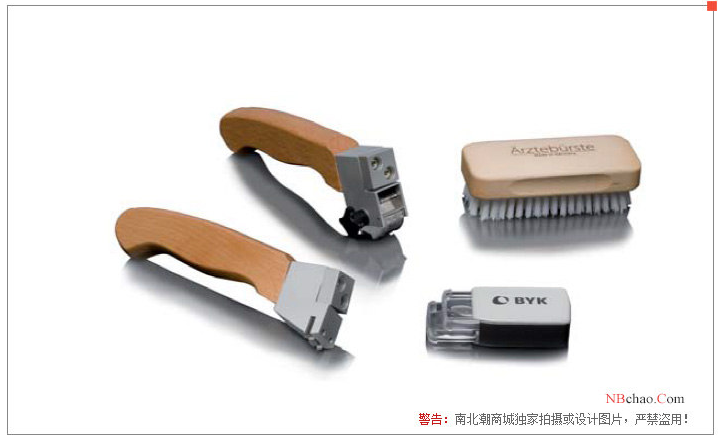
The purpose of the cross -hatch test is to check the adhesion of the powder coating to the metal substrate. This is done by cutting a cross-hatched grid pattern all the way into the coating and onto the substrate. Special pressure sensitive tape is then applied to the cross-hatched area and quickly peeled off at an angle close to 180°. The area is then inspected to see if any coating has been peeled from the substrate.
Mandrel Bend – This test checks the elasticity and adhesion of the powder coating to the substrate. The cured sample plate is placed into a small device that bends the plate onto itself. Coating should not crack or lose adhesion in flexed areas.
Impact Test – Similar to the mandrel bend test, the impact test deforms a sample panel to test powder coating adhesion. A sample plate is placed in the testing machine and a ball is dropped onto it to create a deep depression. Likewise, powder-coated coatings should not crack or lose adhesion to the substrate in the impact area.
Durability Test
Salt Spray Test – This is a corrosion resistance test performed by drawing a line or "X" on the surface of a finished powder coated panel. The panels are then placed in the chamber, to which a corrosive mist is applied. The panel is removed from the chamber at set intervals and the distance the coating "creeps" from the scribe is measured and recorded. If the amount of creep does not exceed the allowable distance within a predetermined time interval, the panel passes the test.
Cure and finish testing
MEK Rub Test – This test is used to ensure that powder coatings are properly cured to the substrate. Apply methyl ethyl ketone (MEK) to the surface of the part or panel and wipe with a cotton swab. This area was observed to degrade or lose the adhesion of the paint to the substrate.
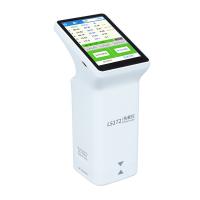
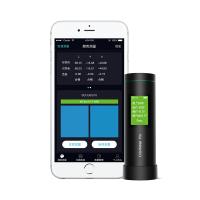
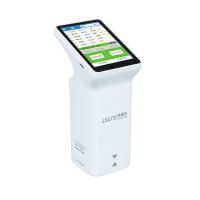
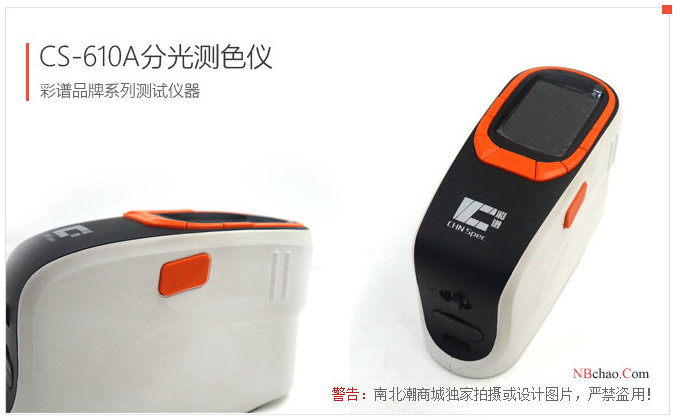
Color Matching – Once our powder coated parts have been placed in the oven to cure and cool, the finished color is compared to the approved color powder sample. This visual inspection is a common and quick way to check color. If discrepancies exist, the color can be measured using a Spectrophotometer to provide data that can be compared to known samples and tolerance ranges for a particular color.
Gloss Measurement – The gloss of a powder coated finish is verified by measuring the specular reflection of its surface. The test is performed using a gloss meter that shines light onto the part's surface at a fixed angle and then measures the amount of light reflected from the part. If the measurement is out of tolerance, it may indicate that the powder coating is not curing properly.
Coating Thickness Test
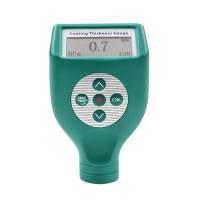
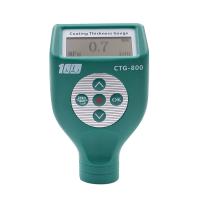
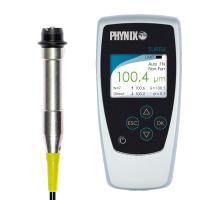
In order to obtain good coating properties, each powder has a certain thickness range and needs to be used within this range. HUI makes this measurement at two different stages in the powder coating process. After the part comes out of the spray booth, our spray booth technicians take the first measurement using a dry gauge. The technician can then contact the painter if they applied the correct amount of powder to the part. Immediate feedback is beneficial because it catches possible lightly or heavily coated parts before the powder cures and it is too late to fix the problem. After the part has cured, check the mil thickness again to ensure that the coating thickness is within tolerance for the specified powder.
We validate the painting process to ensure that the finish on your medical cart remains attractive and durable so you get the finish you want.