Poor adhesion is a common problem that can negatively impact the performance and longevity of electroplated coatings. Improper adhesion often takes the form of flaking, which occurs when the coating is lifted from the substrate surface, detaches and peels off. This results in large, bare or nearly bare areas that are no longer adequately protected by the coating. The composition of the flaky coating is usually brittle and is characterized by long, sharp edges.
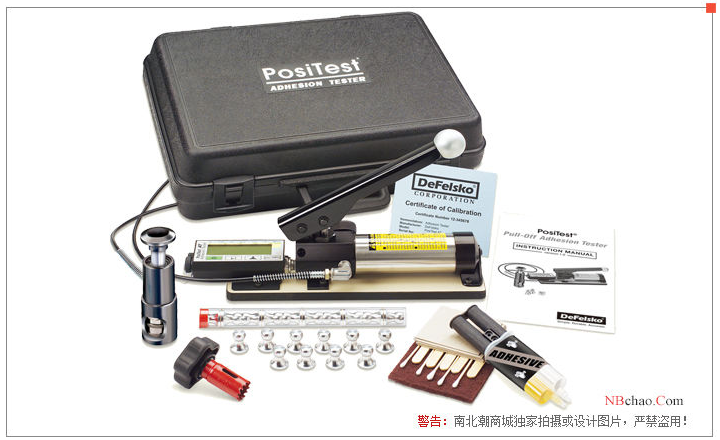
Exploring the cause of peeling
Flaking can occur for a number of reasons:
Insufficient Surface Activation : Activation refers to the removal of the oxide layer present on most metal surfaces. Proper surface preparation prior to plating will remove oxides from cleaning products as well as any lingering salt, soap, alkali or acid residues that would inhibit coating adhesion.
Excessive coating thickness : Some electroplaters mistakenly believe that a thicker coating will provide better protection for the substrate. However, a coating that is too thick can become brittle and eventually begin to "peel" when components are hit during assembly, or bumped against heavy objects during shipping.
Current interruption during plating : Current interruption or broken electrical contact during plating can cause peeling and other adhesion problems. If the power supply is interrupted or turned off for an extended period, it is recommended to restart the plating process.
Low bath temperature : It is necessary to maintain an appropriate bath temperature during the electroplating process. When using larger plating cells, it is often necessary to agitate the electrolyte plating solution to avoid stratification and maintain a constant temperature.
High levels of contaminants in the bath : Excessive levels of contaminants such as iron and ferric iron in the bath can lead to poor adhesion, which usually manifests as flaking or flaking.
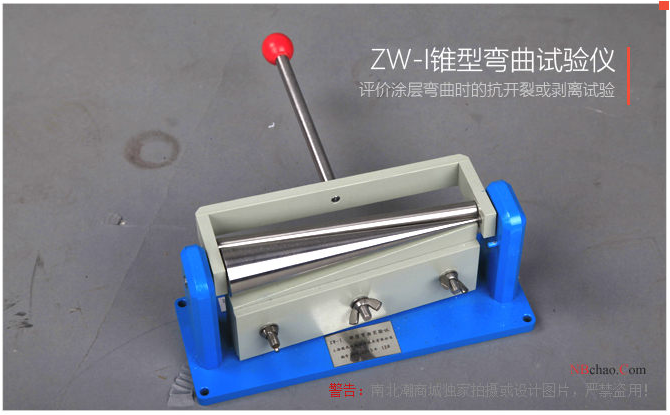
Tests to Identify Peeling
There are several tests that can indicate spalling in the plating. An example is bend testing, where a sample is placed in a vise and repeatedly bent over a mandrel until parent metal failure occurs. Examining the part under magnification will reveal any signs of flaking or peeling. Another option is the hot quench test, which involves baking the part in an oven and then cooling it by immersing it in room temperature water. Visual inspection of cooled parts will reveal signs of flaking, blistering, or other potential adhesion problems.