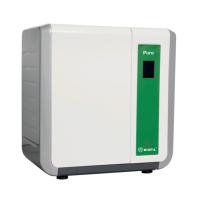
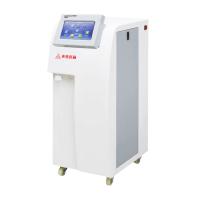
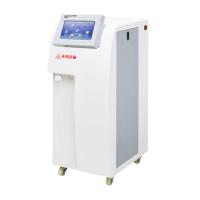
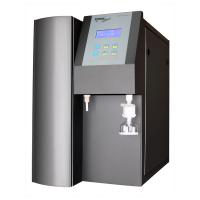
The laboratory ultra-pure water machine performs deep filtration of raw water through multi-stage filter elements. The filter elements have a service cycle and need to be replaced regularly. In order to save costs, some users often extend their service life, resulting in a decline in the quality and quantity of produced water. This article introduces how long the replacement cycle of the filter element of the conventional laboratory ultrapure water machine is.
Reverse osmosis membrane
Reverse osmosis technology is used for desalination treatment. The pore size of the reverse osmosis membrane is only 0.0001 micron, which can remove harmful soluble solids, bacteria, viruses, etc., and the desalination rate is over 90-99%, producing water quality that meets national standards. High pressure pump It is one of the core equipment on the main engine, which provides enough pressure for the reverse osmosis membrane element to overcome the osmotic pressure and running resistance, and meet the rated water output of the device. Its replacement cycle is generally 2-3 years .

PP filter element
Function: The main purpose is to remove the silt, manganese, rust, colloidal substances, mechanical impurities, suspended solids and other substances in the water that are harmful to the human body with particles above 20UM. The replacement cycle is generally every six months .
Activated carbon filter.
Function: remove pigment, peculiar smell, and a large amount of biochemical organic matter in water, reduce residual chlorine value in water, pesticide pollution and other pollutants harmful to human body.
Activated carbon is carbonized by carbonization of wood, residual sawdust, fruit core, coconut shell, coal or petroleum bottom slag at high temperature, and needs to be activated with hot air or water vapor after it is made. Its main function is to remove chlorine and chlorine ammonia and other dissolved organic substances with a molecular weight of 60 to 300 Daltons. The surface of activated carbon is granular, and the interior is porous. There are many capillaries with a size of about 1Onm~1A in the pores. The internal surface area of 1g of activated carbon is as high as 700-1400m2, and the inner surface of these capillaries and the surface of the particles are where the adsorption is. Factors that affect the ability of activated carbon to remove organic matter include the area of activated carbon itself, the size of the pores, the molecular weight and polarity of the removed organic matter (Polarity), and its main physical adsorption capacity to remove impurities. When the adsorption capacity reaches saturation, Impurities adsorbed too much will fall down and pollute the water quality downstream, so it is necessary to regularly use back flushing to remove the impurities adsorbed on it.

Ultra purification column
Ultrapure water column inlet water generally requires TDS to be less than 10. Usually the inlet water is reverse osmosis water or distilled water. The better the quality of the inlet water, the higher the quality of the effluent water. MΩ•cm (25°C). The replacement cycle is generally every six months .
The above is the replacement method of the main consumables of the ultrapure water machine. The relevant users who use the ultrapure water machine must master it in detail. In addition, the user should also pay attention to the changes in the water production data to timely judge whether it is caused by the decline in the performance of the filter element. , to facilitate timely maintenance.