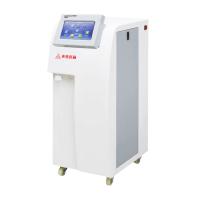
When it comes to the consumables of ultrapure water machines, the first thing you may think of is ion exchange resins. The principle of the ion exchange resin is the process by which the ion exchange resin separates the salt in the solution: in the aqueous solution in the environment where the ion exchange resin acts, the metal cations contained in the ion exchange exchange with the H+ on the cation exchange resin, so that the cations in the solution It is transferred to the resin, and the H+ on the resin is exchanged to the water; the anions in the aqueous solution are exchanged with the OH- on the anion exchange resin, the anions in the water are transferred to the resin, and the OH- on the resin is exchanged to the water. The combination of H+ and OH- produces water, so as to achieve the purpose of desalination.
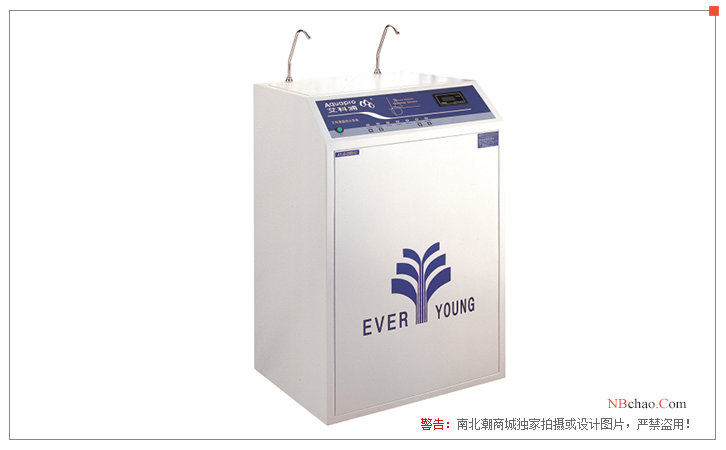
Ion exchange resin, as an important consumable in ultrapure water machines, needs to be replaced in a timely manner. With the consumption of consumables, its own adsorption capacity decreases, and the weakly charged ions originally adsorbed by consumables will be released into the water, which will greatly affect the water quality. pollution.
However, the second-generation ultrapure water machines that are common in the market today cannot accurately measure the usage of consumables, and basically use two methods to provide early warnings for consumable replacement.
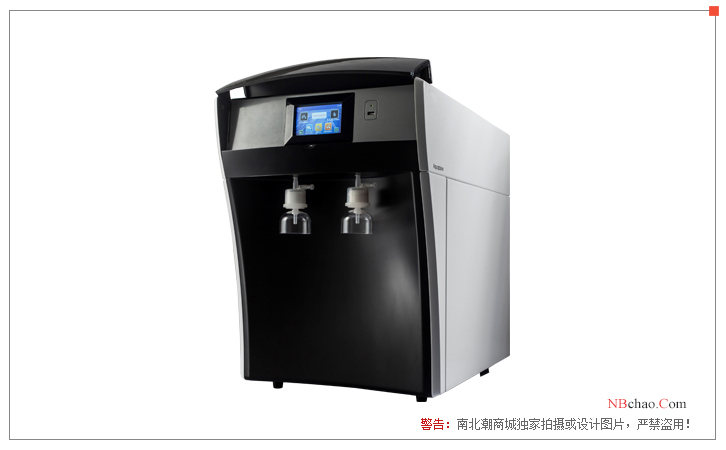
The first one: the water quality shown by the specific resistance meter is not up to standard as the basis for replacement. As mentioned above, due to the decline in the adsorption capacity of the resin, in the actual use process, the TOC and weak current self-care in the water have seriously exceeded the standard in the middle and late stages;
The second type: the number of calendar days is used as the standard for the replacement of consumables, which is also the independent basis for the prediction of consumables for the second-generation ultrapure water machine in the laboratory. Such a replacement method is like a car without an odometer. Since the usage of each unit is different, it will cause two situations:
1. Excessive replacement of consumables causes unnecessary cost increase;
2. If the consumables are not replaced when they expire, it will directly affect the experimental results and cause immeasurable losses in the later stage.