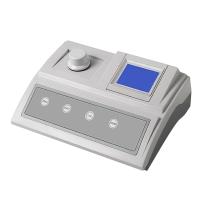
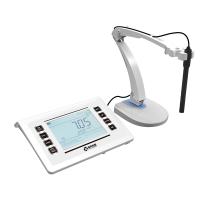
An important part of running a commercial brewery is maintaining the right amount of dissolved oxygen for fermentation. Dissolved oxygen is the amount of oxygen dissolved in water. Although fish and other organisms need dissolved oxygen to survive, measuring this oxygen in water is also important for many other additional processes, one of which is brewing beer. Measuring dissolved oxygen is relatively easy, which can mainly be done with electrical dissolved oxygen sensors and optical dissolved oxygen sensors.
Monitoring dissolved oxygen is important for a number of reasons, extending from reasons to ensure that wastewater treatment facilities are functioning as intended to brew beer to a finished product that the end consumer loves. When producing beer, dissolved oxygen is important for two key components in the beer brewing process.
This article details why it is important for your commercial brewery to test the amount of dissolved oxygen in your beer.
Beer and Dissolved Oxygen Basics
Dissolved oxygen simply refers to the amount of oxygen that has dissolved in water. Remember, this oxygen is different from the oxygen present in water molecules. When operating a wastewater treatment facility, dissolved oxygen levels can indicate how efficient the plant is at dissolving waste. Dissolved oxygen is a very important part of the beer production process and is an important component of two core aspects of the process.
In order to understand the importance of dissolved oxygen in brewing beer, it is important to understand the ingredients used in brewing beer, which include yeast, water, hops, and grains. Dissolved oxygen is important to the fermentation process that occurs when brewing beer, which is needed to give beer its carbonation and alcohol content. In addition to fermentation, having the correct level of dissolved oxygen at the beginning of the brewing process will determine the quality of the beer brewed.

beer brewing process
The brewing process in beer begins with choosing the right type of grain, which could be anything from barley and wheat to oats and rice. In order for these grains to actually germinate, air is sent over the grains while they are being stored, creating an oxygen-rich environment. After this process is complete, the grains will be fully sprouted. The grains are then mashed and mixed with water to make wort. Boil the wort for more than 30 minutes to kill any remaining bacteria.
It is at this point that the yeast is mixed with the wort. In order to carry out the fermentation process, yeast needs to be added to the mixture. The exact amount of yeast added to the wort depends on the fermentation temperature, yeast strain and gravity of the wort. When the fermentation process occurs, the glucose found in the wort is broken down to form alcohol and carbon dioxide. If you want your fermentation process to be successful in a commercial brewery, you need to maintain proper levels of dissolved oxygen throughout the process.
After fermentation is complete, hops are added to the beer to enhance the flavor, aroma and bitterness of the beer. Commercial breweries can use a variety of hops in their beer, each producing a different taste. After adding the hops, water is mixed into the mixture to dilute the alcohol content.
The quality of the water concerned can determine the taste of the beer. The better commercial breweries are often located where clean water is plentiful. Remember, water quality can be measured with a pH sensor. While all four of the previously mentioned ingredients are necessary if you want to brew great tasting beer, the process will not be successful without properly maintaining dissolved oxygen levels.
Maintaining Proper Levels of Dissolved Oxygen in Beer
It may seem difficult to maintain proper dissolved oxygen levels when making beer, but the process of doing so is very simple. Measuring dissolved oxygen levels is also easy, which should allow you to quickly identify the reading and make any necessary changes without delaying the brewing process. In most cases, the wort is boiled but no dissolved oxygen is added to the yeast. For the fermentation process to be successful, the dissolved oxygen level should be around 8-12 PPM. A reading of 5 PPM can be considered a minimum for proper yeast growth. However, you also shouldn't exceed 17 PPM.
Once the wort has cooled, most commercial breweries oxygenate the wort with sterile air. While some breweries choose to oxygenate the wort while it is still boiling, doing so can cause problems with the flavor profile, resulting in garlicky flavors. Whenever you choose to add oxygen to your wort, it is important to complete this process before fermentation begins. As the fermentation process progresses, less and less oxygen is used, which means adding oxygen later in the process will cause some dissolved oxygen to remain with the final product. Too much dissolved oxygen in the final product can make the beer taste stale.
As mentioned earlier, it is important to keep the level of DO at 8-10 PPM, which should result in the beer being fermented properly. Your dissolved oxygen levels should be closer to 15-17 PPM when doing a high gravity brew. If you don't put enough dissolved oxygen in your wort, your commercial brewery may experience low and relatively viscous fermentation, incorrect flavors, and low alcohol production. At high dissolved oxygen levels, excess yeast will grow, deteriorating beer production. The beer will also taste fruity due to the high amount of esters produced. To maintain dissolved oxygen levels, make sure to pair your aeration system with a good dissolved oxygen sensor.
Factors Affecting Dissolved Oxygen Levels
There are several different factors that affect dissolved oxygen levels, all of which you should be aware of to ensure the final product has the correct flavor. First, you need to know how much dissolved oxygen is in the bright tank. After packaging, a lower DO value will result in a better beer. Remember that the beer needs to be served in a shiny container until it is ready to be packaged. It's also possible that the hose that connects to the shiny tank is leaking, which would allow beer to leak and oxygen to get in. To prevent this problem, periodically check the shiny tank manually.
Ambient temperature also affects dissolved oxygen levels. Beer should generally be kept at a temperature of around 34 degrees Fahrenheit, which will help you maintain dissolved oxygen levels, while also ensuring that the beer is poured with sufficient foam. Throughout the brewing process, it is important not to expose the beer to too much air. Opening windows and air conditioning may affect the dissolved oxygen levels in the product.
A suitable method of maintaining dissolved oxygen levels is with foam caps. Fill speed, fill volume and foam can cause a lot of dissolved oxygen to enter the beer before it is packaged. If you are consistent and consistent with how you package your beer and fill your bottles/cans, you should be able to do a better job of reducing the amount of dissolved oxygen that goes into the finished product.
When to Test for Dissolved Oxygen for a Brewery?
Oxygen should be added to the beer after the wort has been boiled and before the yeast is added to the solution, but it is important not to test for DO until later in the process. When a beer is properly fermented it is difficult to reduce the amount of dissolved oxygen, but it is easy to add DO, which is why it is recommended that you test the level of dissolved oxygen after fermentation but before adding hops. Once measurements are obtained, the readings should be placed in a logbook for future reference.
Once a hop is added, the DO level should be measured again to determine how much DO was added in the process. Before packaging, make sure to test the beer again after transferring it to a shiny can. If the dissolved oxygen levels have increased significantly, check to make sure the hoses on the bright tank are clear of dissolved oxygen. Document every measurement you take along the way. DO checks should continue after beer is packaged in cans and filling machines.
In addition to testing for dissolved oxygen, maintaining tank pressure, temperature and carbonation levels is also important if you want to maintain consistent results with packaged beer. If you don't regularly test your dissolved oxygen levels, you run the risk of your dissolved oxygen becoming too high or too low, both of which can lead to poor tasting beer. Testing dissolved oxygen levels on a regular basis will help you identify which step of the process may be causing high amounts of oxygen to be added to the beer, which should allow you to correct these problems early on.
Measuring Dissolved Oxygen in Beer
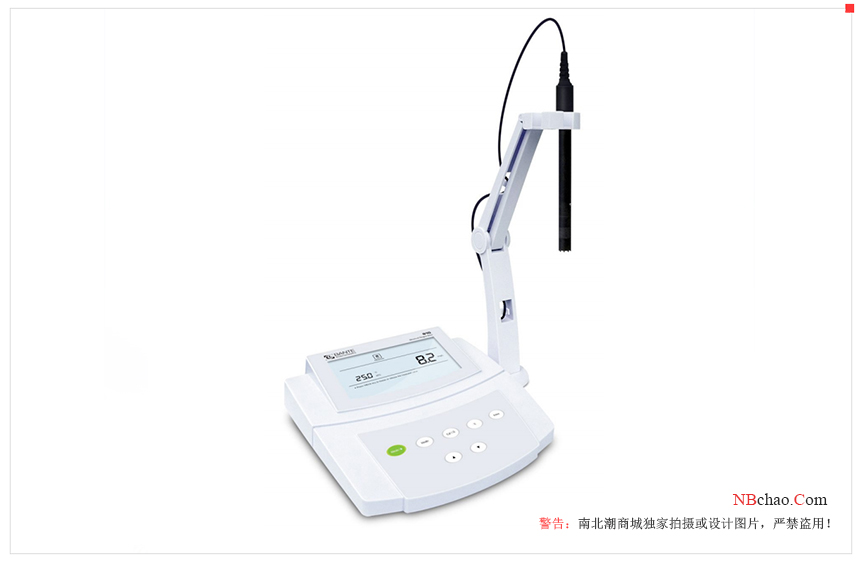
There are three basic types of dissolved oxygen sensors that can be used to measure the amount of dissolved oxygen in your beer, including:
Amperometric Dissolved Oxygen Sensor
Polarographic Dissolved Oxygen Sensor
Optical Dissolved Oxygen Sensor
All of these sensors are effective at measuring dissolved oxygen and can be easily installed in almost every aspect of a beer production line, including around valves and elbows. However, never place one of these sensors in a pump or CO2 injection site.