Automotive coatings are expected to withstand a lot during their service life. It needs to withstand dings, scratches, smudges, fingerprints, bird droppings, bad weather, and more. It needs to be durable and it needs to be long-lasting if it is to perform well throughout the life of the vehicle. After all, cars will last 10, 15 or even 20 years. While there's nothing wrong with getting new paint during this time, the desirable expectation is that the paint should also last this long.
Of course, this durability and longevity did not happen by accident. Instead, a lot of testing and experimentation is done to make sure the paint can withstand the stress it is subjected to in the real world. Known as auto paint tests, these tests and measures are designed to ensure that the paint on your car is as tough as the car itself and ready to handle pretty much anything you can throw at it.
Most automotive paint needs to pass these tests before it even touches the surface of a vehicle, ensuring its levels are what they should be, and are of a standard sufficient for road use.
Which car paint tests are used today?
There are so many different environmental and human factors working together to stress the paintwork on the exterior of a car. We mentioned some of them before, like weather, bird droppings, and scratches, but the list could go on indefinitely. The simple fact is that there are tons of hazards waiting to destroy exterior paint.
Therefore, it only makes sense that the car paint should pass many different tests to prove that it is strong enough to resist all these hazards. These tests are designed to evaluate the coating's properties such as thickness, hardness, color, gloss, weather resistance, corrosion and chemical agents.
Let's now take a look at some of these tests and see how they assess the performance level of a paint.

1. Abrasion resistance
The purpose of this test is to evaluate the resistance of the coating to scratches, mars and scuffs. In this case, it is not necessarily the color paint itself that is really being tested. Instead, Testers were concerned with the clear coat that sits on top of the colored paint. The abrasion resistance of this clear layer is being tested.
Testers will intentionally scratch the paint, then inspect for damage, take measurements and evaluate it. If the results are not satisfactory, they update the formula or method of painting and try again. This process is repeated until the Tester is satisfied that, given the limitations of current technology, damage from minor scrapes and scrapes is non-existent or minimal.
2. Accelerated corrosion
During the winter, roads in many areas are often covered with road salt to protect against snow and freezing. While this is great for driving, it's not so great for the paint on your car. Unfortunately, the chemical structure of road salt can become corrosive after prolonged contact with car paint. This results in a dull, mottled look in the paint, almost as if it has eaten away at it. To test a paint's resistance to this corrosive damage, Testers expose the paint to a salt spray. This replicates the conditions to which a car might be exposed to road salt in winter.
3. Accelerated weathering
It's no surprise that automotive coatings need to withstand all kinds of weather. Car paint will need to withstand high winds, blizzards, rain, hail and ice, as well as prolonged exposure to harmful sunlight.
Of course, since the type of weathering that can damage a car can last for months or even years, it's difficult to simulate in the lab as technicians try to assess how well a paint will withstand such strain. To better simulate this type of damage, they typically expose the paint to 1,000-2,000 hours of UV light and water cycles at specific temperatures to mimic extreme weather conditions.
4. Chemical resistance
Road salt is not a separate chemical compound that car paint may encounter. Other potential chemical hazards include antifreeze, windshield wiper fluid, and gasoline. Any of these compounds, if splashed too much on a car's painted exterior, has the potential to eat away at the finish. While a car's paint may not have been intentionally exposed to gasoline or antifreeze, their natural proximity means these substances will likely come into contact with the paint throughout the car's lifetime.
To this end, paint tests are performed on these chemicals until the results are satisfactory enough to demonstrate that the paint job can withstand them.

5. Environmental exposure
While this hazard is similar to the weather issues we discussed, it is ultimately in its own category. When we talk about environmental exposure, that often means extreme heat, humidity or cold. Think of it like a hot, humid summer day or a cold, freezing day that freezes and destroys everything in its path.
These extreme weather conditions can cause irreparable damage if the paint is not properly tested and prepared. High heat and humidity can cause the paint to melt, while extreme cold can crack it or even peel it from the vehicle itself.
To perform these types of tests, technicians subject coatings to thermal shock and extreme temperature and humidity fluctuations. Through this process, they are trying to speed up the effects of weather exposure that would normally take months or years, as they try to see how well the paint resists damage.
6. Coating adhesion
Depending on the chemical makeup of the paint and the surface it is applied to, the paint may have a tendency to want to separate from the surface it is supposed to cover. Think about a surface you've probably seen with peeling or peeling paint, such as the exterior of a building, and you'll get a better picture.
Since this is not a desired result, the paint will need to be pressure and tested to ensure that it will maintain its adhesion and will not weaken or peel. Paint can be tested by cross-hatch or stripping. If the paint seems to succumb easily to these stressors, it may need to go back for more development.
7. Paint film hardness
Although the name of this test may be somewhat obscure, it is actually quite simple. If the paint is soft and brittle, it can be easily scratched, exposing the surface of the car underneath the paint. The harder paint, on the other hand, will come fully equipped to resist scratches when exposing the car's bare surfaces.
These tests then measure the hardness of the surface layer of the paint and determine whether it is hard enough to withstand a reasonable amount of scratching and abrasion.
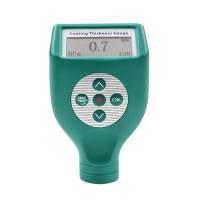
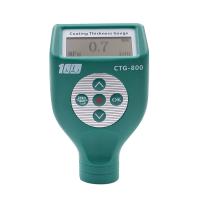
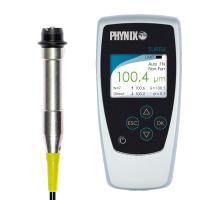
8. Paint thickness
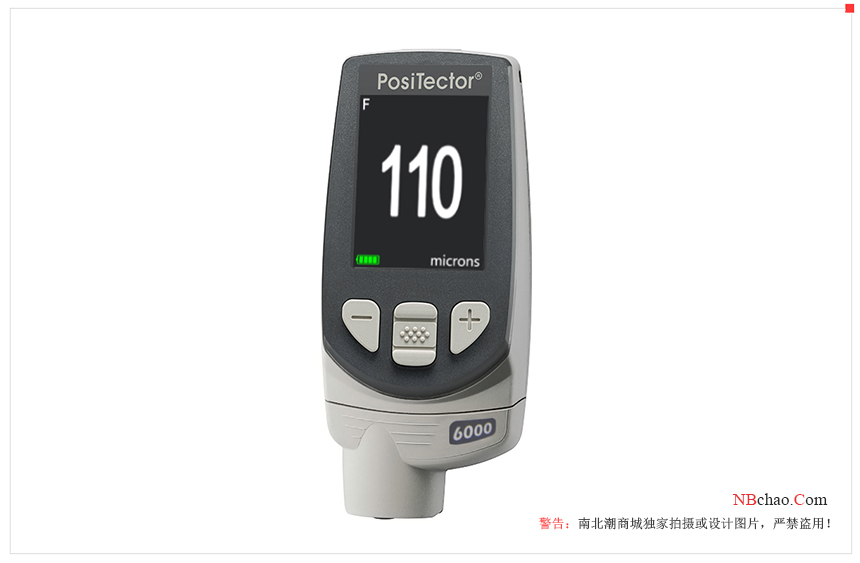
Most original equipment manufacturers (OEMs) require that paint needs to be very specific thickness measurements. If the paint varies too much on either side, or is too thick or too thin, then all sorts of problems can arise. It can scratch more easily, be more susceptible to extreme weather, and even be harder to clean.
Because of these risks, manufacturers have determined the precise thickness level that is appropriate and best at protecting itself from damage. Tests in this category measure whether the paint in question has achieved this level of thickness.
What are some common test categories?
One way to look at paint testing is in terms of what the paint was tested for. When you look at it this way, you might be tempted to combine tests such as accelerated aging and heat exposure - since the significant overlap of these two factors can damage the paint.
However, this is not a separate way to view tests. Another way to examine these test procedures and compare them to each other is to look at the actual test methods, not just the tests that the paint is trying to withstand.
Broadly speaking, these tests can be grouped into specific categories:
1. Chemical Analysis
These types of tests involve evaluating the properties and composition of the various surface layers of the paint. With an accurate understanding of these layers and the elements that make them up, engineers and technologists can better grasp the ability to manipulate these layers to withstand the concerns of the outside world.
2. Physical and mechanical testing
从表面上看,这些测试最初似乎不太科学,因为它们并非旨在测试化学成分或类似目的而设计的。相反,这些测试本质上更具物理性。他们让测试人员从字面上试图对油漆进行物理损坏,以查看油漆保持得如何。
这些测试通常希望评估的质量是物理的,可见的特征,例如油漆的粘合能力,硬度,颜色,光泽度等。
这些类型的测试的一些示例包括:
横切测试以测量涂料的附着力
拉拔测试以测量涂料的附着力
铅笔测试以测量涂料硬度
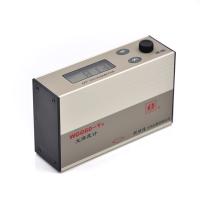
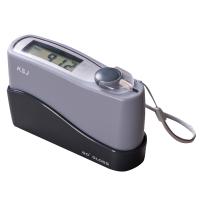
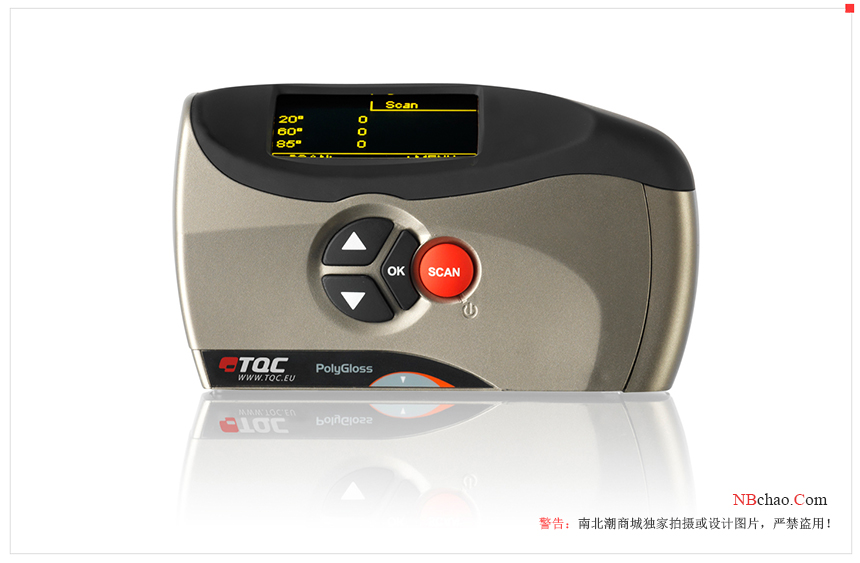
光泽度计,旨在测量疼痛的光泽度
分光光度计,用于评估涂料颜色
弯曲测试以测量涂料移动和附着的程度
冲击试验以测量抗冲击性
显微检查截面以测量涂料厚度
确定油漆表面上膜厚度的各种方法
3.调理
这些测试与物理的,立即可见的特性无关,而更多地关注涂料如何随时间推移而保持,特别是在不称心的条件下。这些条件包括极端温度和恶劣天气模式等因素。为了确定涂料是否可以承受雪,冰,雨,热和湿气,通常采用调节试验。
使这些测试难以设计和执行的原因是,这种天气条件的大部分都不会在一天内发生。它需要几个月甚至几年的时间。因此,很难在实验室中进行仿真。
为了解决这个问题,测试设备可以在大大加快的时间范围内复制风化的长期影响。在实验室中,他们将创造出可以模拟多年日晒,雨淋和其他元素的环境,以说明暴露于这些条件后油漆的外观。
这些潜在的测试中只有一些包括:
高温调节
低温调节
热循环,以受控的时间表从一个温度移动到另一个温度
气候周期,可控模式在不同水平的热量和湿度之间旋转
4.耐腐蚀
无论是汽车本身还是覆盖它的油漆,腐蚀都是一个非常现实的问题。车辆的油漆可能会在其使用寿命内与大量化学物质接触。所有这些不同的化合物都有可能破坏油漆的光洁度,损坏它甚至完全破坏它。
再次,然而,这些通常是很难在实验室中模拟的条件,因为大部分腐蚀是由于盐或其他化学物质长时间停留在油漆表面上导致的,而在许多情况下,同时还伴随着极端天气条件。
为了更好地复制这些类型的条件和污染物,以下是一些可能会使用的测试:
中性盐雾测试
醋酸盐雾测试(铜加速和非铜加速)
循环腐蚀试验
在湿热条件下持续凝结
耐水浸测试
5.老化
老化是另一类不可避免地会造成损坏和汽车漆的一般磨损的类别。不管汽车的保养水平如何,油漆会随着年龄的增长而磨损,我们对此无能为力。
因此,从制造的角度来看,目标是要创建一种在开始显示出老化和磨损迹象之前将持续尽可能长的油漆。但是,与我们讨论的其他几个类别一样,内在的困难在于如何测试通常需要数年才能完成的过程。
为了更好地模拟会导致老化损坏的时间轴类型,并将该时间轴加速到可行的场景,通常将使用以下测试:
使用人工模拟加速太阳辐射的老化
使用人工模拟进行风化
使用紫外线辐射老化
在风化和腐蚀之间交替循环

6.对化学试剂的抵抗力测试
这些类型的电阻测试与耐腐蚀测试有很多共同点,尽管这些测试通常更着重于腐蚀将随着时间影响涂料的方式。在电阻测试中,因为它们适用于化学试剂,所以更着重于涂料在其寿命期内可能会遇到的各种化学材料以及它们之间的反应方式。
油漆制造商担心的化学品中,只有少数几种会归入此类,其中包括防冻剂,汽油和挡风玻璃刮水剂等化学品。因为这些都是与汽车直接相关的化学物质,并且都在汽车附近,上面或什至在其内处理,所以这些化合物极有可能与油漆表面接触。因此,需要测试涂料对这些化学物质的反应方式。
通常用于测试涂料的耐化学性水平的测试类型包括:
耐跌落测试
浸没电阻测试
使用浸湿的布进行电阻测试
使得该类别与众不同的是,每个测试都在评估同一件事:油漆与某种物质接触时的反应方式。测试之间的单独区别是化学物质在油漆上的涂覆方式多种多样。
在滴注测试中,化学物质(例如刮水器擦拭液)将滴到涂料上。在浸没测试中,油漆可能会浸入这种液体的容器中。最后,在湿布测试中,将一块抹布浸入该液体中,然后擦到油漆上。在每个测试中,目标都是相同的-评估涂料的反应性和抵抗能力。
汽车油漆测量
尽管此处讨论的测试类型对于汽车漆的长期成功和耐用性绝对重要性无庸赘述,但这并不是制造商评估漆并确定其在耐久性和可靠性方面取得多大成功的单独方法。
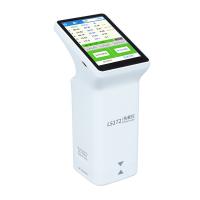
Manufacturers are also interested in directly obtaining "measurements" of coatings. This way, they can improve and research based not only on qualitative and general impressions, but also on real quantitative data. This results in more accurate, actionable data, resulting in an overall paint that is more reliable, stronger, and stable through testing and eventually real-world conditions.
Two parameters that manufacturers and developers often measure in terms of gathering such reliable data are color and gloss. Among these parameters, numerical values are determined and assigned. Different numbers indicate the current color and gloss level and the desired color and gloss level.
As the paint goes through the various tests described above, these numbers are measured and compared to each other as the technician tries to assess the paint's ability to resist different contaminants. Armed with these numbers, they can better assign real data to what would otherwise be mere impressions and guesswork.