For the convenience of use and uniform deployment, the polycool paint base material weighed according to the formula can be divided into two equal parts, one part is mixed with a certain amount of cyclohexanone peroxide, and the other part is mixed with a certain amount of cobalt naphthenate solution reconcile. When constructing, take one part and mix well, then you can paint. The mixed varnish needs to be used within 2o~4o minutes.
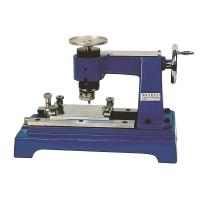
Wax-type polyester varnish can be applied by brushing, spraying, pouring and other methods. If more than two passes are applied, wax solution can be added when the last paint is applied, that is, no wax solution is added for the first few coats, otherwise paraffin wax will be trapped between the paint layers and the adhesion will be affected (testing instrument: adhesion Tester). After the coating is dry, wear off the initial layer of the surface, that is, the gloss.
Special attention should be paid to the preparation of polyester varnishes not to directly mix the polyester varnish base material with cyclohexanone peroxide slurry, otherwise an explosion may occur. The paint should be used as it is prepared, and the dosage should be limited to 0.5~1 kg each time. If it is too much, it will be difficult to dissipate heat, and it will easily gel, and it will be too late to use.
When using polycool lacquer to decorate woodware, shellac liquid should not be used to cover the back, so as to avoid falling off due to poor combination.

When in use, first dissolve the weighed dibenzoyl peroxide (powder) into a paste with an appropriate amount of ethylene, pour it into the unsaturated polyvinyl lacquer base material weighed according to the formula, stir evenly and set aside . When painting, add accelerator dimethyl amine.
The film-forming time of unsaturated polycool is generally within 2o~3o minutes. The film forming speed is related to the amount of dimethylamine accelerator added and the room temperature. In winter, when the room temperature is low, the dosage of dimethylaniline can be increased appropriately. But adding too much will make the resin brittle and affect the adhesion. In summer, the temperature is high, and the dosage of dimethylaniline should be appropriately reduced. How to control the amount of dimethylaniline needs to be decided temporarily according to the environmental conditions during operation through many times of practice.