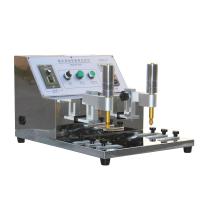
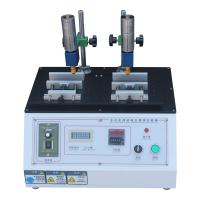
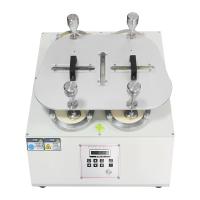
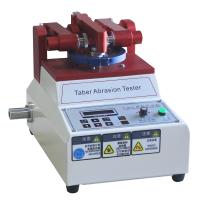
The wear resistance of materials should be the mechanical properties related to friction force, contact area and load. The result of these various factors is wear or wear. Wear resistance is generally defined as the ability of a material to withstand mechanical action, such as rubbing, scraping, etc., that gradually removes material from its surface. The equipment used to test the wear resistance is different, and the test results obtained are also different.
The wear resistance of the pipeline anti-corrosion coating is to investigate the ability of the pipeline anti-corrosion coating to resist mechanical forces such as external friction. It is a comprehensive reflection of the hardness, adhesion and coating cohesion of the anti-chest layer.
Because anti-corrosion layer pipes will encounter various mechanical forces during construction, such as the rescue process of submarine pipelines, after being buried underground, they will also be affected by the mechanical friction of the soil under the action of the soil's movement force. Including the alternation of dry and wet soil in four seasons, and the soil movement of strata. Especially when the anti-corrosion layer pipe is laid by special construction methods, such as directional cobalt crossing and other non-excavation construction techniques, the pipeline anti-corrosion layer will encounter strong soil mechanical friction.

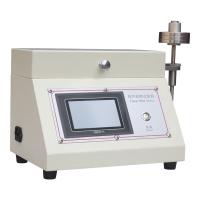
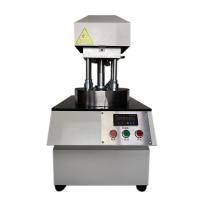
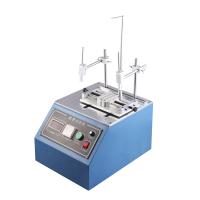
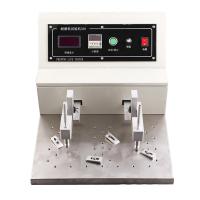
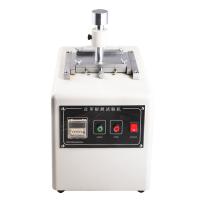
According to the American ASTM standard, different wear resistance test methods should be used for different material pipe layers. For example, the abrasion resistance of organic coatings can be determined mechanically as shown in Figure 1-8. The device and method are based on the provisions of ASTM D4060-95 "Standard Test Method for Abrasion Resis-tance of Ocganis Coatings by the Taber Abraser" of the United States, such as the abrasion resistance of fusion-bonded epoxy powder coatings, polyurea elastomer coatings The wear resistance can be tested by this standard method. There are many technical documents in foreign countries, and the test of the material performance index of this kind of anti-corrosion layer adopts the method of ASTM D4060. We should also understand the meaning of the test method and its test results.
The above method is measured by the weight loss of an abrasive to the abrasion of the anti-corrosion layer. During the test, a Taber abrasive is used to act on the surface of the organic anti-interlayer coating on the surface of the steel plate, and the wear resistance of the organic anti-corrosion layer is evaluated by the loss of the anti-corrosion layer after grinding. Grinding wheels of different specifications are available, and the commonly used one is the "Cali-brase" grinding wheel named "CS-17" with a load of 1000g , which is suitable for most organic anti-corrosion coating materials. If the coating film material is relatively soft, use a relatively small grinding wheel. When testing, make the test piece into a disc or plate, drill a hole with a diameter of 1/4in in the center of the sample plate, and use standard test conditions to adjust the test piece before testing. , and then place the test piece on a rotating table, and place the selected grinding wheel on the test piece under the load of precise weight. Start the spin stage, and automatically record the number of revolutions spun.
After rotating for 5000 revolutions, accurately weigh the coating film or anti-corrosion layer sample, accurate to milligrams. The test results are expressed as weight loss in "mg/1000 revolutions". The grade of the grinding wheel and the size of the load shall be published together with the test results. The test device is shown in Figure 11-8.